
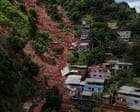
Quit fossil fuels to stem deadly floods in Brazil’s coffee heartland, say scientists
#fossil fuels #floods #Brazil #coffee #climate change #agriculture #scientists
📌 Key Takeaways
- Scientists link fossil fuel use to increased flooding in Brazil's coffee-growing regions
- Floods in Brazil's coffee heartland are causing significant damage and loss of life
- Transitioning away from fossil fuels is recommended to mitigate climate-related disasters
- The coffee industry faces direct threats from climate change impacts like flooding
📖 Full Retelling
🏷️ Themes
Climate Change, Agriculture
📚 Related People & Topics

Brazil
Country in South America
Brazil, officially the Federative Republic of Brazil, is the largest country in South America. It is also the world's fifth-largest country by area and the seventh-largest by population, with over 213 million people. The country is a federation composed of 26 states and a Federal District, which hos...
Entity Intersection Graph
Connections for Brazil:
Mentioned Entities
Deep Analysis
Why It Matters
This news matters because it directly links climate change to devastating floods in Brazil's coffee heartland, threatening global coffee supplies and local livelihoods. It affects coffee farmers, international consumers facing potential price increases, and policymakers balancing economic development with environmental protection. The scientific call to quit fossil fuels represents a critical intervention point for both climate mitigation and agricultural sustainability in a key global commodity region.
Context & Background
- Brazil is the world's largest coffee producer, accounting for about one-third of global coffee supply
- The coffee heartland region has experienced increasingly severe weather events in recent years, including droughts and floods
- Climate scientists have long warned that fossil fuel emissions contribute to extreme weather patterns worldwide
- Coffee production is particularly vulnerable to climate change due to specific temperature and rainfall requirements
- Previous floods in Brazilian coffee regions have caused billions in damages and disrupted global markets
What Happens Next
Brazilian authorities will likely face pressure to implement climate adaptation measures in coffee regions while balancing economic interests. International coffee buyers may seek more sustainable sourcing agreements. The UN Climate Change Conference (COP29) in November 2024 could see increased focus on agricultural climate resilience. Coffee prices may experience volatility as markets assess long-term production risks.
Frequently Asked Questions
Coffee plants are sensitive to waterlogged conditions which can damage roots, promote fungal diseases, and reduce yields. Floods also destroy infrastructure needed for processing and transporting coffee beans, creating supply chain disruptions that can last multiple growing seasons.
Reducing fossil fuel use decreases greenhouse gas emissions that drive climate change, which scientists link to increased frequency and intensity of extreme weather events. Transitioning to renewable energy would help stabilize global temperatures and weather patterns over time, reducing the conditions that create catastrophic flooding.
Farmers could transition to renewable energy for irrigation and processing, adopt regenerative agricultural practices that sequester carbon, and implement water management systems. Many are already exploring solar-powered equipment and organic methods that reduce dependence on fossil fuel-based inputs like synthetic fertilizers.
If production declines due to climate-related disasters, reduced supply could drive up prices worldwide. However, increased production costs from transitioning to sustainable methods might also contribute to price increases, though potentially offset by government subsidies or premium pricing for climate-resilient coffee.
Yes, climate change threatens coffee production globally. Central American producers face coffee rust epidemics linked to changing weather, while African growers confront shifting rainfall patterns. Vietnam's robusta coffee regions also experience increased flooding and drought cycles affecting yields.