
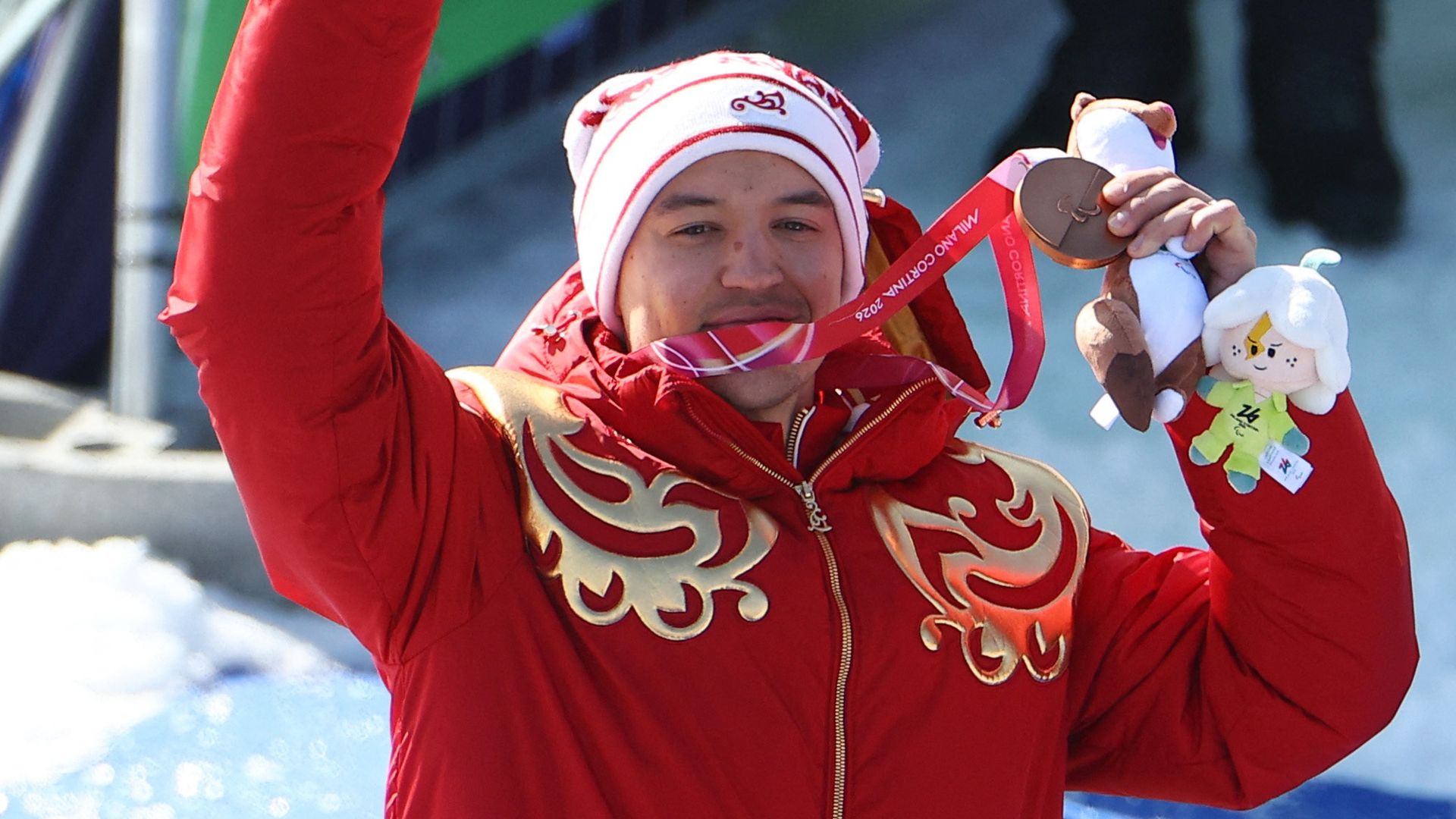
Russian athletes back on podium after winning Winter Paralympic medals
#Russian athletes #Winter Paralympics #medals #podium #para-sports #international competition
📌 Key Takeaways
- Russian athletes have returned to the podium at the Winter Paralympics.
- They have won medals in the competition.
- This marks a significant return following previous restrictions.
- The event highlights their participation in international para-sports.
📖 Full Retelling
🏷️ Themes
Sports, Paralympics
📚 Related People & Topics

Winter Paralympic Games
International multi-sport event for disabled athletes
The Winter Paralympic Games is an international multi-sport event where athletes with physical disabilities compete in snow and ice sports. The event includes athletes with mobility impairments, amputations, blindness, and cerebral palsy. The Winter Paralympic Games are held every four years directl...
Entity Intersection Graph
Connections for Winter Paralympic Games:
Mentioned Entities
Deep Analysis
Why It Matters
This development matters because it represents a significant shift in international sports policy regarding Russian participation in global competitions. It affects Russian athletes who have been largely excluded from international events since 2022 due to sanctions, the International Paralympic Committee which must navigate complex geopolitical considerations, and other competing nations who now face renewed Russian competition. The decision signals potential normalization of Russian participation in international sports despite ongoing geopolitical tensions, setting precedents for future competitions. This also impacts sponsors, broadcasters, and fans who must reconsider their engagement with events featuring Russian competitors.
Context & Background
- Russian athletes have been banned from most international competitions since February 2022 following Russia's invasion of Ukraine
- The International Paralympic Committee initially banned Russian and Belarusian athletes from the 2022 Winter Paralympics in Beijing, then allowed them to compete as neutrals before reversing again to ban them
- Russian athletes have been competing as 'Neutral Paralympic Athletes' or under similar neutral designations in some events since 2023
- The World Anti-Doping Agency previously banned Russia from international sports for four years (2019-2022) due to state-sponsored doping programs
- The Olympic movement has historically maintained that sports should remain separate from politics, though this principle has been repeatedly challenged throughout history
What Happens Next
Expect increased scrutiny of Russian athletes' neutral status verification processes and potential protests from Ukrainian and other nations' delegations. The IPC will likely face pressure to clarify long-term policies regarding Russian participation in future Paralympic Games. Upcoming international competitions will test whether this marks a permanent return or remains conditional on continued neutral status. The 2026 Winter Paralympics in Milan-Cortina will be the next major test of this policy's sustainability.
Frequently Asked Questions
Russian athletes faced bans primarily due to Russia's invasion of Ukraine in February 2022, with most international sports federations implementing sanctions. Additionally, Russia previously served a four-year ban (2019-2022) for state-sponsored doping violations uncovered in the McLaren Report.
Neutral status means Russian athletes compete without national symbols, flags, or anthems. They typically wear generic uniforms and compete under a neutral designation like 'Neutral Paralympic Athletes' rather than representing Russia as a nation.
Reactions have been mixed, with Ukraine and some Western nations opposing the return while other countries have been more accepting. Some athletes have protested by refusing to compete against Russian counterparts or wearing symbolic items during competitions.
No, this applies specifically to Paralympic events under IPC jurisdiction. Different international sports federations maintain varying policies, with some continuing bans while others allow neutral participation. Each sport's governing body sets its own rules.
Neutral athletes typically undergo enhanced anti-doping testing and must demonstrate they haven't supported the war in Ukraine or been affiliated with military or security agencies. They also cannot express political views during competitions.