
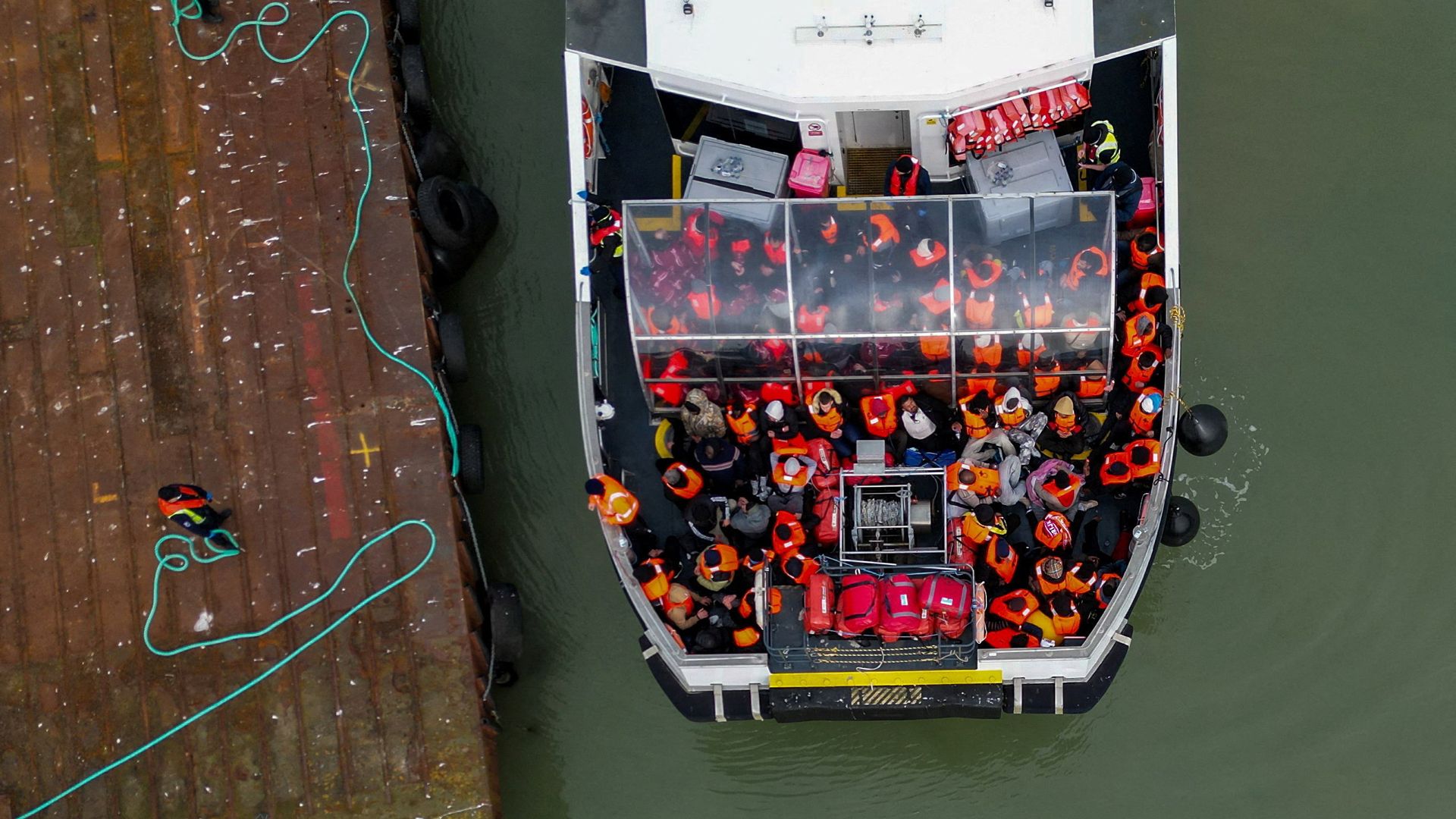
Rwanda demands more than £100m from UK over failed migrant deportation deal
#Rwanda #UK #migrant deportation #asylum seekers #£100 million #failed deal #legal challenges
📌 Key Takeaways
- Rwanda is demanding over £100 million from the UK due to a collapsed migrant deportation agreement.
- The deal, intended to send asylum seekers from the UK to Rwanda, has been halted after legal and political challenges.
- The financial demand highlights the economic implications of the failed policy for both nations.
- The dispute underscores ongoing tensions in international migration management and bilateral relations.
📖 Full Retelling
🏷️ Themes
Migration Policy, International Dispute
📚 Related People & Topics

Rwanda
Country in East Africa
Rwanda, officially the Republic of Rwanda, is a landlocked country in East Africa. Known as the "Land of a Thousand Hills" for its high elevation and rolling terrain, its geography is dominated by mountains in the west and savanna in the southeast. The largest and most notable lakes are mainly in th...

United Kingdom
Country in northwestern Europe
The United Kingdom of Great Britain and Northern Ireland, commonly known as the United Kingdom (UK) or Britain, is a country in northwestern Europe, off the coast of the continental mainland. It comprises England, Scotland, Wales and Northern Ireland, with a population of over 69 million in 2024. Th...
Entity Intersection Graph
Connections for Rwanda:
Mentioned Entities
Deep Analysis
Why It Matters
This demand for over £100 million from the UK by Rwanda over the failed migrant deportation deal matters because it represents a significant financial and diplomatic setback for the UK government's immigration policy. It affects UK taxpayers who have already paid substantial funds for a scheme that never materialized, and it impacts Rwanda's international standing and economic expectations from the partnership. The situation also has broader implications for future international agreements on migration management and could influence how other countries approach similar deportation schemes.
Context & Background
- The UK-Rwanda asylum partnership was announced in April 2022 as a cornerstone of the UK's strategy to deter Channel crossings by sending asylum seekers to Rwanda for processing.
- The UK had already paid Rwanda £140 million before the scheme was ruled unlawful by the UK Supreme Court in November 2023, which found Rwanda was not a safe third country for asylum seekers.
- The deal faced multiple legal challenges from human rights organizations and was criticized by the UN refugee agency, creating ongoing political controversy in the UK.
- Rwanda has previously hosted similar agreements with other countries and has sought to position itself as a regional hub for migration management in exchange for development funding.
What Happens Next
The UK government will need to decide whether to negotiate a settlement with Rwanda or face potential arbitration proceedings. Parliament may scrutinize the additional costs during upcoming budget discussions, especially as the UK approaches a general election. The outcome could influence the Conservative Party's immigration policy platform and affect any future attempts to revive modified versions of the deportation scheme with Rwanda or other partner countries.
Frequently Asked Questions
Rwanda likely claims it incurred substantial costs preparing infrastructure, staff training, and administrative systems to implement the agreement, and may argue it lost potential economic benefits from the partnership. The demand reflects contractual obligations or compensation claims for investments made in anticipation of the scheme proceeding.
No asylum seekers were ever deported to Rwanda under this scheme due to legal challenges. They remain in the UK undergoing standard asylum processes or detention, though some may have had their claims processed through other channels during the prolonged legal battles.
Yes, the UK government has indicated interest in pursuing migration partnerships with other nations, though any new agreements would need to address the Supreme Court's safety concerns. The Rwanda experience may make other countries more cautious or demand stronger financial guarantees before entering similar arrangements.
The financial demand creates tension, but both countries have incentives to maintain relations—the UK for potential future migration cooperation and Rwanda for continued development partnerships. How they manage negotiations will determine whether this becomes a minor dispute or a significant diplomatic rift.