
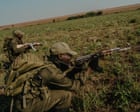
‘She gave her life to protect the richness of Congo’: inside the deadly assault on Upemba wildlife park
#Upemba National Park #Congo #park ranger #wildlife conservation #armed assault #biodiversity #poaching #DRC
📌 Key Takeaways
- A deadly assault occurred at Upemba National Park in the Democratic Republic of the Congo, resulting in the death of a park ranger.
- The ranger was killed while defending the park's biodiversity, highlighting the risks faced by conservationists in conflict zones.
- The attack underscores ongoing threats to wildlife and protected areas in the DRC from armed groups and poaching.
- The incident calls attention to the broader challenges of conservation efforts in regions plagued by instability and violence.
📖 Full Retelling
🏷️ Themes
Conservation, Conflict, Wildlife Protection
📚 Related People & Topics

Democratic Republic of the Congo
Country in Central Africa
The Democratic Republic of the Congo (DRC), also known as the DR Congo, Congo-Kinshasa, or simply the Congo, or less often Zaire, is a country in Central Africa. By land area, it is the second-largest country in Africa and the 11th-largest in the world. With a population of around 112 million, the D...

Upemba National Park
National park in southeastern Democratic Republic of Congo
Upemba National Park (French: Parc national d'Upemba) is a large national park in Haut-Lomami, Lualaba Province & Haut-Katanga Province (formerly in Katanga Province) of the southeastern Democratic Republic of Congo, formerly Zaire.

Entity Intersection Graph
Connections for Democratic Republic of the Congo:
View full profileMentioned Entities
Deep Analysis
Why It Matters
This attack represents a critical threat to conservation efforts in one of Africa's most biodiverse regions, directly impacting global biodiversity protection. It highlights the dangerous intersection of wildlife protection and regional security conflicts, putting conservation workers at extreme risk. The incident affects not only local communities who depend on the park's ecosystem but also international conservation organizations and governments funding these initiatives. Ultimately, this violence undermines decades of conservation work and could lead to irreversible ecological damage in a globally significant habitat.
Context & Background
- Upemba National Park is one of the Democratic Republic of Congo's oldest protected areas, established in 1939, covering approximately 11,730 square kilometers
- The park is part of the Congo Basin, the world's second-largest rainforest after the Amazon, containing exceptional biodiversity including endangered species like elephants, lions, and the endemic Upemba lechwe antelope
- DRC has faced decades of armed conflict involving numerous rebel groups, with eastern regions experiencing particularly intense violence that often spills into protected areas
- Conservation rangers in African parks frequently face deadly attacks from poachers, armed groups, and local militias, with over 1,000 rangers killed globally in the past decade
- The park has been managed through partnerships between Congolese authorities and international conservation organizations including African Parks Network
What Happens Next
Increased security measures will likely be implemented in Upemba and surrounding protected areas, potentially involving military support. International conservation partners will reassess security protocols and may temporarily withdraw staff from high-risk zones. Investigations into the attack will attempt to identify perpetrators, though attribution in Congo's complex conflict landscape is challenging. The incident may prompt renewed diplomatic pressure on regional governments to address cross-border militia activities affecting conservation zones.
Frequently Asked Questions
Congo's protected areas are often located in remote regions with limited state presence, making them targets for armed groups seeking resources and territory. These areas also contain valuable resources like minerals and wildlife that attract criminal networks. The country's ongoing conflict creates security vacuums that armed groups exploit to operate within park boundaries.
Attacks force conservation organizations to suspend anti-poaching patrols and monitoring programs, creating opportunities for increased illegal hunting and habitat destruction. They also lead to staff evacuations, disrupting long-term research and community engagement projects. This security instability makes it difficult to maintain the consistent protection needed for endangered species recovery.
Perpetrators range from local poaching syndicates and militia groups to cross-border armed factions using parks as bases or transit routes. Some attacks involve communities protesting conservation restrictions on resource access. In many cases, multiple armed actors operate in these regions with overlapping motivations including control of territory, resources, and smuggling routes.
Communities face increased insecurity and may be caught between armed groups and conservation forces, limiting their movement and economic activities. Conservation-related development projects often stall during security crises, delaying benefits like healthcare and education programs. Some community members employed in conservation lose livelihoods when operations are suspended due to security threats.
Conservation NGOs often issue emergency appeals for funding to enhance security measures and support affected staff families. Diplomatic channels may be activated to pressure regional governments on security cooperation around protected areas. International bodies like UNESCO may issue statements of concern for World Heritage sites, though concrete security interventions remain limited without host government consent.