

South African work banned from Venice Biennale to be shown outside main event
📖 Full Retelling
📚 Related People & Topics
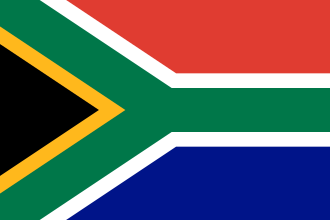
South Africa
Country in Southern Africa
South Africa, officially the Republic of South Africa (RSA), is the southernmost country in Africa. Its nine provinces are bounded to the south by 2,798 kilometres (1,739 miles) of coastline that stretches along the South Atlantic and Indian Ocean; to the north by the neighbouring countries of Namib...

Venice Biennale
International arts exhibition in Italy
The Venice Biennale ( BEE-en-AH-lay, -lee; Italian: la Biennale di Venezia [la bi.enˈnaːle di veˈnɛttsja]) is an international cultural exhibition hosted annually in Venice, Italy. There are two main components of the festival, known as the Art Biennale (la Biennale d'Arte di Venezia) and the Archi...
Entity Intersection Graph
Connections for South Africa:
Mentioned Entities
Deep Analysis
Why It Matters
This news matters because it highlights censorship in international art exhibitions and raises questions about artistic freedom versus cultural sensitivity. It affects the artist whose work was banned, the South African pavilion organizers, and the global art community that values uncensored expression. The decision to show the work outside the main event creates a parallel platform that challenges institutional authority while still engaging with the Biennale audience.
Context & Background
- The Venice Biennale is one of the world's oldest and most prestigious contemporary art exhibitions, founded in 1895.
- South Africa has participated in the Venice Biennale since 1993, following the end of apartheid, using the platform to showcase post-apartheid artistic expression.
- Artworks at the Biennale have frequently faced censorship controversies, including political works from China, Russia, and Middle Eastern countries in past editions.
- The South African pavilion is typically curated by the country's Department of Sports, Arts and Culture in collaboration with arts organizations.
What Happens Next
The banned work will be displayed in an alternative venue in Venice during the Biennale's run (April-November 2024), potentially drawing more attention through controversy. Art critics and free speech advocates will likely analyze both the artwork and the censorship decision. The incident may prompt discussions about selection criteria for future national pavilions and could influence South Africa's cultural diplomacy approach.
Frequently Asked Questions
The specific reasons aren't provided in the article, but such bans typically involve political content, cultural sensitivities, or disagreements between artists and organizing bodies. Previous Biennale controversies have involved works addressing colonialism, gender, or government criticism.
The artwork will be exhibited in an independent venue in Venice during the Biennale period, separate from the official South African pavilion. This allows audiences to view the contested work while bypassing the official selection process that rejected it.
This creates a split representation where the official pavilion shows approved works while the banned work appears elsewhere. It may draw more attention to South African art overall but could also reveal tensions within the country's cultural establishment.
Yes, several countries have faced similar situations where controversial works were excluded from official pavilions but shown independently. Notable examples include Chinese dissident artists in 2009 and Russian protest art in 2017.
This situation demonstrates ongoing tensions between institutional control and artistic expression in international exhibitions. The alternative showing suggests artists and supporters will find ways to present contested works, even when official channels reject them.