
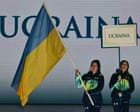
Ukraine accuses IPC of ‘systemic pressure’ and pro-Russian bias at Winter Paralympics
#Ukraine #IPC #Winter Paralympics #pro-Russian bias #systemic pressure #international sports #geopolitical conflict
📌 Key Takeaways
- Ukraine has accused the International Paralympic Committee (IPC) of applying 'systemic pressure' at the Winter Paralympics.
- The allegations include claims of pro-Russian bias in the IPC's decisions and conduct.
- The accusations emerge amid heightened tensions due to Russia's invasion of Ukraine.
- The dispute highlights ongoing geopolitical conflicts affecting international sports events.
📖 Full Retelling
🏷️ Themes
Geopolitical Tensions, Sports Governance
📚 Related People & Topics

Winter Paralympic Games
International multi-sport event for disabled athletes
The Winter Paralympic Games is an international multi-sport event where athletes with physical disabilities compete in snow and ice sports. The event includes athletes with mobility impairments, amputations, blindness, and cerebral palsy. The Winter Paralympic Games are held every four years directl...
Entity Intersection Graph
Connections for Winter Paralympic Games:
Mentioned Entities
Deep Analysis
Why It Matters
This accusation matters because it highlights how international sports governance is becoming entangled with geopolitical conflicts, potentially undermining the Paralympic movement's mission of neutrality and inclusion. It affects Ukrainian athletes who may face psychological pressure and competitive disadvantages, Russian and Belarusian athletes whose participation remains controversial, and the International Paralympic Committee's credibility as an impartial governing body. The situation also impacts global perceptions of how international organizations handle conflicts involving major powers.
Context & Background
- The International Paralympic Committee (IPC) has faced ongoing controversy since Russia's full-scale invasion of Ukraine in February 2022, with questions about Russian and Belarusian athlete participation in international competitions.
- The IPC initially banned Russian and Belarusian athletes from the 2022 Beijing Winter Paralympics but reversed the decision before eventually reinstating the ban following athlete protests and international pressure.
- Russian and Belarusian athletes have been allowed to compete as 'Neutral Paralympic Athletes' in some IPC-sanctioned events under strict conditions, including no national symbols and thorough vetting against military connections.
- Ukraine has consistently opposed any Russian participation in international sports, arguing that it normalizes aggression and provides propaganda opportunities for the Russian government.
- The Winter Paralympics have historically faced challenges with geopolitical tensions, including North and South Korean unification efforts at the 2018 PyeongChang Games.
What Happens Next
The IPC will likely face increased scrutiny during upcoming events, with possible formal complaints to international sports arbitration bodies. Expect continued diplomatic pressure from Ukraine and allied nations at the next IPC General Assembly in late 2024. Russian and Belarusian participation in the 2026 Milan-Cortina Winter Paralympics will become a major point of contention, with potential boycotts threatened if current policies continue.
Frequently Asked Questions
Ukraine alleges the IPC is applying 'systemic pressure' through biased officiating, unfair competition conditions, and procedural decisions that favor Russian interests. They claim this includes turning a blind eye to Russian violations of neutrality rules and creating an intimidating environment for Ukrainian athletes.
The IPC has generally defended its neutrality while making policy adjustments under pressure. Following the 2022 controversy, they established stricter neutrality requirements but maintained that sports should remain separate from politics whenever possible, while acknowledging the exceptional circumstances of armed conflict.
Ukrainian athletes compete under extraordinary psychological stress while worrying about family and country. Russian and Belarusian athletes face extensive vetting, compete without national identifiers, and experience uncertainty about future eligibility. All athletes risk having their achievements overshadowed by political controversies.
These accusations threaten the Paralympic ideal of sport transcending conflict and could reduce public trust in the movement's governance. Sponsors and host cities may become hesitant to associate with events perceived as politically compromised, potentially impacting funding and participation.
Ukraine can file formal protests through IPC channels or appeal to the Court of Arbitration for Sport. National Paralympic committees can raise concerns at IPC General Assemblies, and athlete commissions can advocate for competitors' interests, though these processes often move slowly compared to rapidly evolving geopolitical situations.