
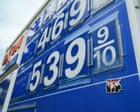
‘We make a lot of money’: Trump downplays rise in gas prices during Iran war
#Trump #gas prices #Iran conflict #oil revenue #energy market
📌 Key Takeaways
- Trump downplays rising gas prices amid Iran conflict, citing economic benefits.
- He suggests higher gas prices generate significant revenue for the U.S.
- The remarks come during heightened tensions with Iran affecting global oil markets.
- Trump's stance contrasts with typical political concern over fuel cost increases.
📖 Full Retelling
🏷️ Themes
Energy Policy, Geopolitical Tensions
Entity Intersection Graph
No entity connections available yet for this article.
Deep Analysis
Why It Matters
This statement matters because it reveals how a former president and current candidate prioritizes economic interests over consumer impacts during geopolitical crises. It affects American drivers facing higher fuel costs, voters evaluating leadership during international conflicts, and global markets watching U.S. responses to Middle East instability. The framing of rising gas prices as positive for national revenue rather than a household burden represents a significant political and economic perspective that could influence energy policy debates.
Context & Background
- Gas prices are highly sensitive to Middle East conflicts due to the region's oil production and strategic shipping lanes
- The U.S. became a net energy exporter under Trump's administration in 2019 for the first time since 1952
- Iran controls the Strait of Hormuz, through which about 20% of global oil trade passes
- Presidential comments on gas prices often influence consumer sentiment and political polling
- The U.S. Strategic Petroleum Reserve currently holds approximately 365 million barrels, near 40-year lows
What Happens Next
Gas prices will likely continue rising in the short term as markets price in conflict risks, with potential for $4+/gallon national averages if tensions escalate. The Biden administration may face pressure to release more strategic reserves or pursue diplomatic solutions. This issue will feature prominently in upcoming presidential debates and campaign messaging about economic leadership.
Frequently Asked Questions
Conflicts create uncertainty about oil supply disruptions, causing traders to bid up prices. Even perceived threats to shipping lanes or production facilities can trigger market reactions that translate to higher pump prices within days.
The government collects tax revenue from gasoline sales, and energy companies (including U.S.-based multinationals) typically see increased profits when oil prices rise. However, these benefits don't directly offset household budget impacts for most Americans.
Presidents have limited direct control but can influence prices through strategic reserve releases, diplomatic efforts with oil-producing nations, regulatory changes affecting domestic production, and policies affecting fuel efficiency standards.
Rising gas prices historically correlate with lower presidential approval ratings, as voters associate them with economic mismanagement. Candidates often make energy affordability a central campaign issue, particularly in swing states with long commute distances.
Iran produces about 3% of global oil and influences neighboring producers. More importantly, any conflict involving Iran threatens the Strait of Hormuz - the world's most critical oil transit chokepoint - which could disrupt 20-30% of seaborne traded oil.