
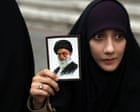
Without some change in direction, Iran’s regime risks breakdown in civil order
📖 Full Retelling
<p>Hostility to the US is high even among reformists, which may set the surviving leadership on a destructive path</p><p>Two Irans are in view now. By night, there is the Iran that danced, celebrated and cried tears of joy at the <a href="https://www.theguardian.com/us-news/2026/feb/28/khamenei-likely-killed-us-israel-iran-strikes">death of the Ayatollah Ali Khamenei</a>, hoping it marks the end of clerical rule and isolation from the west. By day, there are the mou
Entity Intersection Graph
No entity connections available yet for this article.
Original Source
Analysis Without some change in direction, Iran’s regime risks breakdown in civil order Patrick Wintour Diplomatic editor Hostility to the US is high even among reformists, which may set the surviving leadership on a destructive path Two Irans are in view now. By night, there is the Iran that danced, celebrated and cried tears of joy at the death of the Ayatollah Ali Khamenei , hoping it marks the end of clerical rule and isolation from the west. By day, there are the mourning crowds gathering in the squares in Tehran and Isfahan demanding retribution and bewailing the loss of their sacred leader. There is no need to guess which force has the greater domestic military power and retains the upper hand, but discerning whether the regime realises that the continued, inflexible pursuit of its current path will probably end in the regime’s chaotic collapse is harder to know. As yet, there are no signs of fissure in the security apparatus. The instinct to resistance and to battle on is notoriously deep in Shia Islam and Iranian regime ideology. On the surface, it seems implausible the regime can survive this weight of attrition. The roll call of the dead leadership is extraordinary and growing. Apart from the supreme leader, the dead include Maj Gen Shahid Rezaian, the head of the intelligence organisation of Iran’s police command; Lt Gen Seyyed Abdolrahim Mousavi, the chief of staff of the armed forces; Maj Gen Mohammad Pakpour, the commander of the Islamic Revolutionary Guard Corps Adm Ali Shamkhani, the adviser to the supreme commander, and Lt Gen Nasirzadeh, the defence minister. Some of these had only been in office for months having being elevated after the previous wave of assassinations during the Israeli assault on Iran in June last year. At the same time, Iran’s stockpiles of weaponry and missile launchers will soon be under strain. Despite Iranian justifications, the damage being inflicted on Iran’s relations with its Gulf partners seems worse than the physical...
Read full article at source