
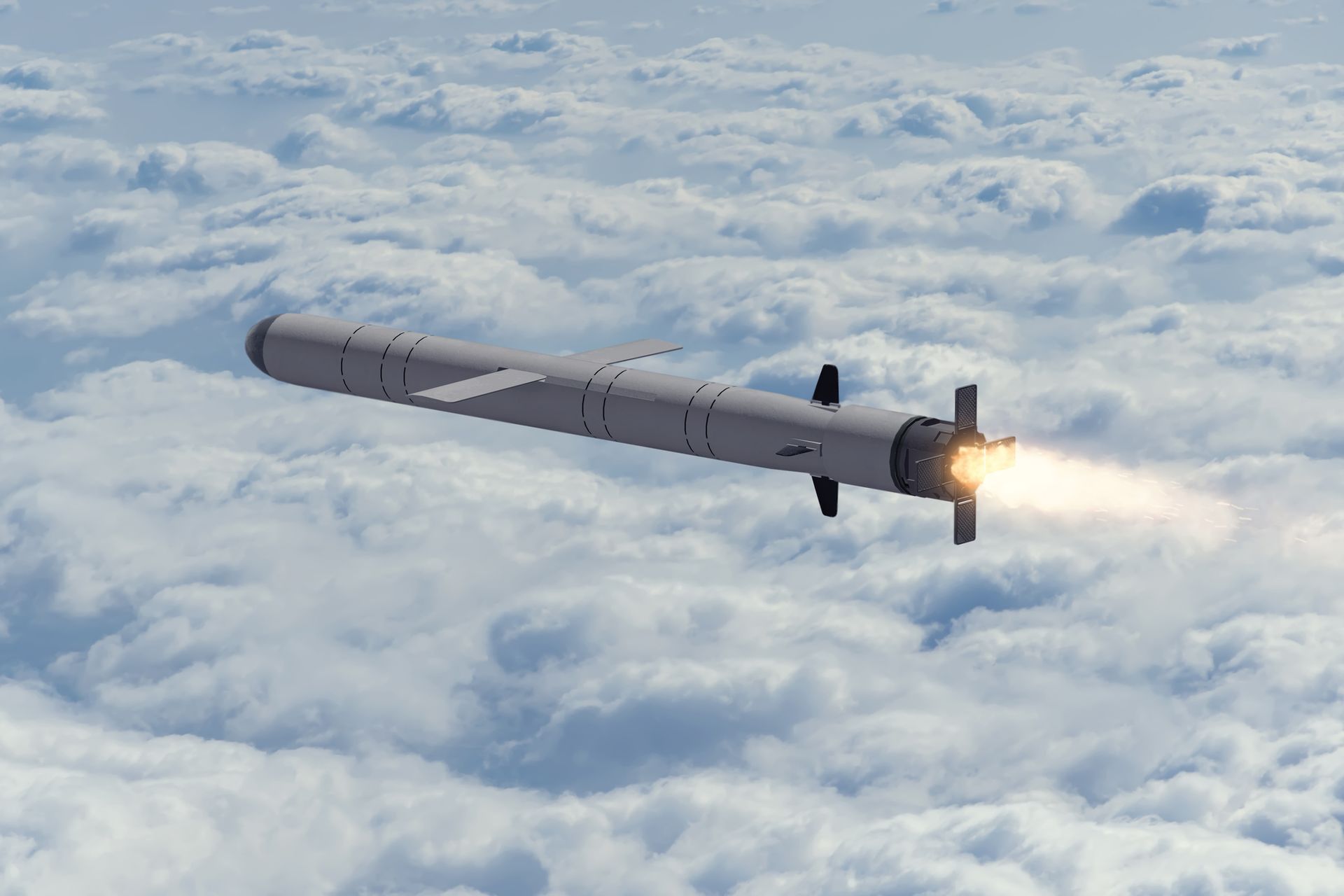
How Western-made materials for cigarettes wind up in Russian missiles that strike Ukraine
#Western materials #cigarette components #Russian missiles #Ukraine conflict #supply chain diversion #export controls #sanctions loopholes
📌 Key Takeaways
- Western-made cigarette materials are being diverted to Russian military use.
- These materials are repurposed for components in missiles targeting Ukraine.
- The supply chain involves complex international trade networks.
- This highlights loopholes in sanctions and export controls.
📖 Full Retelling
🏷️ Themes
Sanctions Evasion, Military Supply Chain
📚 Related People & Topics

List of wars involving Ukraine
The following is a list of major conflicts fought by Ukraine, by Ukrainian people or by regular armies during periods when independent states existed on the modern territory of Ukraine, from the Kievan Rus' times to the present day. It also includes wars fought outside Ukraine by Ukrainian military....
Entity Intersection Graph
Connections for List of wars involving Ukraine:
Mentioned Entities
Deep Analysis
Why It Matters
This news reveals how Western components intended for civilian products like cigarettes are being diverted to Russia's military-industrial complex, directly undermining sanctions meant to cripple Russia's war machine. It affects global supply chain security, sanctions enforcement agencies, and Ukrainian civilians who face attacks with weapons containing Western technology. The exposure highlights critical loopholes in export controls that allow dual-use materials to reach hostile regimes, forcing Western governments to re-evaluate their regulatory frameworks.
Context & Background
- Since Russia's 2022 invasion of Ukraine, Western nations have imposed extensive sanctions targeting Russia's military and industrial capabilities.
- Dual-use goods—items with both civilian and military applications—have historically been challenging to regulate in international trade.
- Russia has developed sophisticated smuggling networks to circumvent sanctions, often using third countries as transit points for restricted materials.
- Previous investigations have revealed Western microchips, bearings, and other components in Russian weapons recovered in Ukraine.
- The global tobacco industry represents a massive supply chain with materials that can be repurposed for military applications like explosives or missile systems.
What Happens Next
Western intelligence and customs agencies will likely intensify scrutiny of exports to countries neighboring Russia, particularly focusing on dual-use materials. Expect increased coordination between NATO allies to share intelligence about smuggling routes and sanction-evasion techniques. Regulatory bodies may implement stricter documentation requirements for materials with potential military applications, and companies involved may face significant fines or restrictions.
Frequently Asked Questions
Materials like specialized filters or packaging components contain chemicals and compounds that can be repurposed for explosives or propulsion systems in missiles. These civilian-grade materials are exported to third countries where they're diverted through complex smuggling networks to Russian defense contractors who extract the usable components.
The sheer volume of global trade makes complete monitoring impossible, and Russia has developed sophisticated methods to disguise military procurement as civilian purchases. Many materials have legitimate civilian uses, making blanket bans impractical without harming legitimate industries and global supply chains.
While exact details are classified, experts indicate cigarette filters contain cellulose acetate that can be processed into propellants, and specialized papers may provide materials for rocket insulation. Chemical compounds in various tobacco products can also be extracted and repurposed for explosive formulations.
Investigations typically point to countries bordering Russia or with historical trade relationships, including Belarus, Kazakhstan, Turkey, and several Central Asian nations. Some European countries with less stringent export controls have also served as transit points before materials reach Russia.
This diversion significantly undermines sanctions by providing Russia with critical materials it cannot produce domestically, allowing continued weapons production. It demonstrates that sanctions must address not just direct exports but entire global supply chains and third-country intermediaries to be truly effective.