
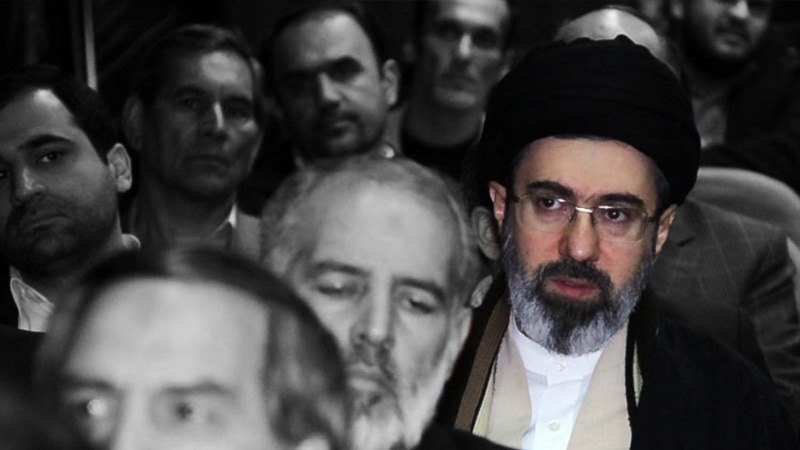
Iran Marks Mojtaba Khamenei Selection With Strikes Against Israel, Gulf States
#Iran #Mojtaba Khamenei #Israel #Gulf States #Military Strikes #Middle East #Tensions
📌 Key Takeaways
- Iran launched military strikes against Israel and Gulf states to mark Mojtaba Khamenei's selection.
- The attacks are seen as a show of strength and regional influence by Iran.
- The strikes escalate tensions in the Middle East, risking broader conflict.
- Mojtaba Khamenei's selection is being highlighted through these aggressive actions.
📖 Full Retelling
🏷️ Themes
Military Conflict, Regional Tensions
📚 Related People & Topics
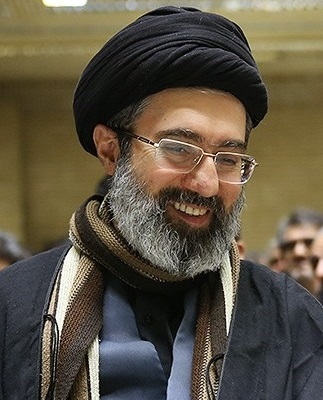
Mojtaba Khamenei
Iranian politician and cleric (born 1969)
Mojtaba Hosseini Khamenei (born 8 September 1969) is an Iranian politician and Muslim cleric. The second eldest child of Ali Khamenei, the former supreme leader of Iran, Mojtaba Khamenei served in the Iran–Iraq War from 1987 to 1988, and also reportedly took control of the Basij that was used to sup...

Iran
Country in West Asia
# Iran **Iran**, officially the **Islamic Republic of Iran** and historically known as **Persia**, is a sovereign country situated in West Asia. It is a major regional power, ranking as the 17th-largest country in the world by both land area and population. Combining a rich historical legacy with a...

Israel
Country in West Asia
Israel, officially the State of Israel, is a country in the Southern Levant region of West Asia. It is bordered by Lebanon to the north, Syria to the northeast, Jordan to the east, and Egypt to the southwest. Israel occupies the West Bank and the Gaza Strip of the Palestinian territories, as well as...
Entity Intersection Graph
Connections for Mojtaba Khamenei:
Mentioned Entities
Deep Analysis
Why It Matters
This development matters because it signals a potential shift in Iran's future leadership and demonstrates how internal political transitions can directly impact regional security. The strikes against Israel and Gulf states represent an escalation in Iran's proxy warfare strategy, threatening stability across the Middle East. This affects not only regional governments and populations but also global energy markets and international diplomatic efforts to contain Iranian influence. The timing suggests Iran is using military action to project strength during a sensitive leadership transition period.
Context & Background
- Mojtaba Khamenei is the son of Iran's Supreme Leader Ayatollah Ali Khamenei and has long been rumored as a potential successor
- Iran has maintained a network of proxy forces across the Middle East including Hezbollah in Lebanon, Houthis in Yemen, and various militias in Iraq and Syria
- Tensions between Iran and Gulf states like Saudi Arabia and UAE have persisted for decades over regional influence and religious differences
- Iran's Islamic Revolutionary Guard Corps (IRGC) Quds Force has been responsible for coordinating proxy attacks against Israeli and Western interests
- Succession planning for Iran's Supreme Leader position has been a sensitive topic since the position was established after the 1979 Islamic Revolution
What Happens Next
Regional tensions will likely escalate with increased retaliatory strikes from Israel and potential U.S. military responses. Gulf Cooperation Council (GCC) states will probably strengthen security cooperation with Western allies. The succession process for Iran's Supreme Leader will face increased international scrutiny, with possible sanctions targeting Mojtaba Khamenei and his supporters. Expect intensified diplomatic efforts by European and regional powers to prevent full-scale conflict.
Frequently Asked Questions
Mojtaba Khamenei is the second son of Iran's current Supreme Leader and has been groomed for leadership within Iran's political-religious establishment. His selection matters because it suggests a dynastic succession pattern in a country that officially rejects hereditary rule, potentially consolidating power within a single family for decades.
Iran likely uses military action during transitions to demonstrate continuity of its revolutionary ideology and deter external powers from exploiting perceived internal weakness. Such strikes reinforce the regime's commitment to opposing Israel and maintaining regional influence regardless of leadership changes.
Gulf states generally respond through diplomatic channels, strengthening military alliances with Western powers, and occasionally through proxy conflicts. They often coordinate through the GCC while simultaneously pursuing economic diversification to reduce vulnerability to regional instability.
The Islamic Revolutionary Guard Corps operates as Iran's primary instrument for projecting power abroad through its Quds Force. The IRGC coordinates proxy militias, supplies weapons and training, and often directs cross-border attacks while maintaining plausible deniability for the Iranian government.
These strikes will likely harden Western positions in nuclear negotiations, with increased demands for constraints on Iran's regional activities alongside nuclear limits. The escalation makes diplomatic progress more difficult as trust deteriorates and security concerns take priority.