
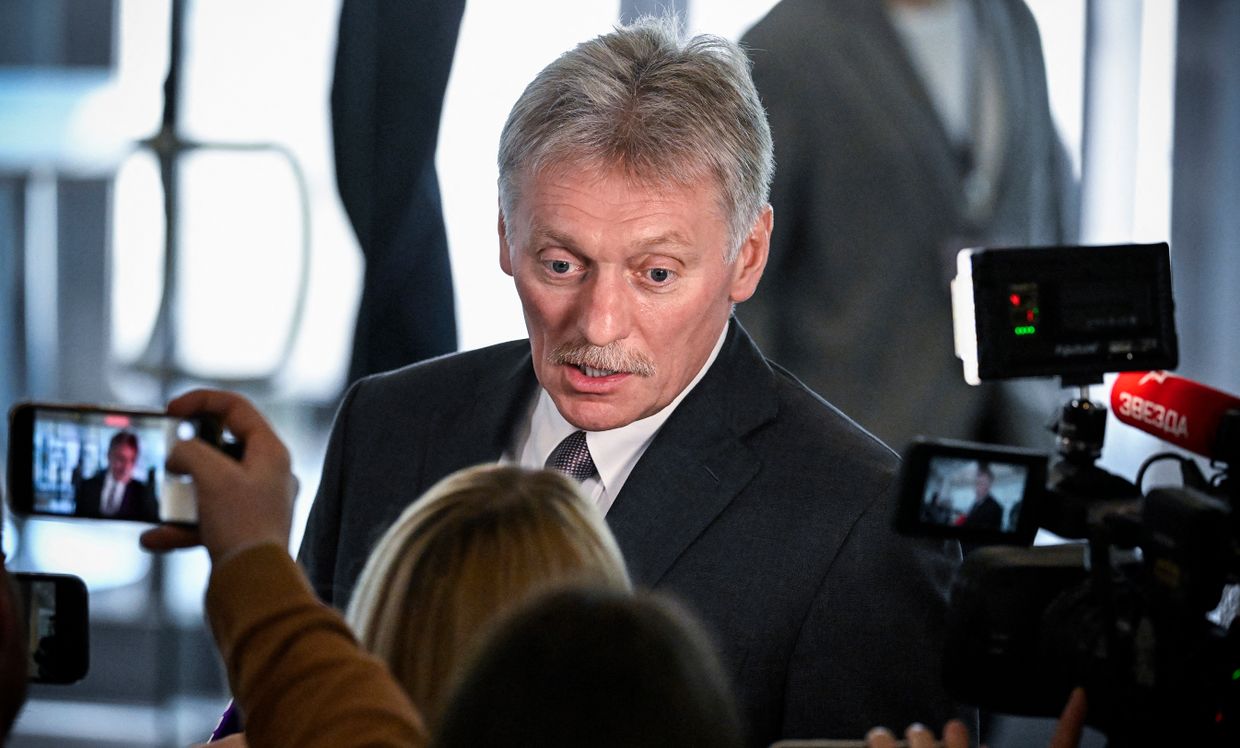
Russia tells Zelensky to withdraw Ukrainian troops from Donbas 'already today'
#Russia #Ukraine #Zelensky #Donbas #troop withdrawal #ultimatum #military conflict
📌 Key Takeaways
- Russia demands immediate withdrawal of Ukrainian troops from Donbas region
- The ultimatum was directed at Ukrainian President Volodymyr Zelensky
- The demand suggests escalating tensions in the ongoing conflict
- The statement implies Russia views current Ukrainian presence as unacceptable
📖 Full Retelling
🏷️ Themes
Russia-Ukraine conflict, Military ultimatum
📚 Related People & Topics

Russia
Country in Eastern Europe and North Asia
Russia, or the Russian Federation, is a country in Eastern Europe and North Asia. It is the largest country in the world, spanning eleven time zones and sharing land borders with fourteen countries. With a population of over 140 million, Russia is the most populous country in Europe and the ninth-mo...

Volodymyr Zelenskyy
President of Ukraine since 2019
Volodymyr Oleksandrovych Zelenskyy (born 25 January 1978) is a Ukrainian politician and former entertainer who has served as the sixth president of Ukraine since 2019. He took office five years after the start of the Russo-Ukrainian War with Russia's annexation of Crimea and invasion of the Donbas, ...

Ukraine
Country in Eastern Europe
# Ukraine **Ukraine** is a country located in Eastern Europe. It is the second-largest country in Europe by area, after Russia. Known for its extensive fertile plains, the nation serves as a critical global exporter of grain and is considered a middle power in international affairs. ## Geography a...

Donbas
Region in eastern Ukraine
The Donbas (UK: , US: ; Ukrainian: Донбас [donˈbɑs]) or Donbass (Russian: Донбасс [dɐnˈbas]) is a historical, cultural, and economic region on the Russia–Ukraine border, lying predominantly in Ukraine. The vast majority of the Donbas is occupied by Russia as a result of the Russo-Ukrainian war, as t...
Entity Intersection Graph
Connections for Russia:
Mentioned Entities
Deep Analysis
Why It Matters
This demand represents a significant escalation in Russia's diplomatic pressure on Ukraine, directly challenging Ukrainian sovereignty over the Donbas region. It affects Ukraine's territorial integrity, European security architecture, and international relations between Russia and Western nations supporting Ukraine. The ultimatum-style language increases immediate conflict risks and could trigger broader geopolitical consequences if either side responds militarily.
Context & Background
- The Donbas region has been partially controlled by Russian-backed separatists since 2014 following Russia's annexation of Crimea
- Multiple ceasefire agreements (Minsk I and Minsk II) have failed to resolve the conflict, with periodic flare-ups of violence
- Russia has maintained approximately 100,000 troops near Ukraine's borders since late 2021, raising invasion concerns
- The region contains significant industrial infrastructure and has seen over 14,000 conflict-related deaths since 2014
What Happens Next
Ukraine will likely reject the demand, potentially leading to increased military posturing by both sides. NATO and EU members will convene emergency meetings to coordinate responses. Russia may use Ukraine's refusal as justification for further military actions, possibly including limited strikes or recognition of separatist territories. Diplomatic channels will see intense activity in the coming 48-72 hours.
Frequently Asked Questions
Russia claims it's protecting Russian-speaking populations from alleged Ukrainian aggression, though international law recognizes Donbas as Ukrainian territory. The demand lacks legal basis under UN Charter principles of territorial integrity.
Ukraine has consistently refused to withdraw forces from its own territory, viewing such demands as violations of sovereignty. Previous administrations have offered political solutions but maintained military presence.
NATO can increase military assistance to Ukraine, deploy additional forces to Eastern Europe, or impose new economic sanctions. However, direct military intervention remains unlikely due to Article 5 limitations.
While possible, most analysts believe Russia prefers limited objectives. Full invasion risks massive casualties, severe sanctions, and potential NATO response, making it a high-cost option for Moscow.
China generally supports territorial integrity but maintains strategic partnership with Russia. Beijing will likely call for dialogue while avoiding direct criticism of either party.