
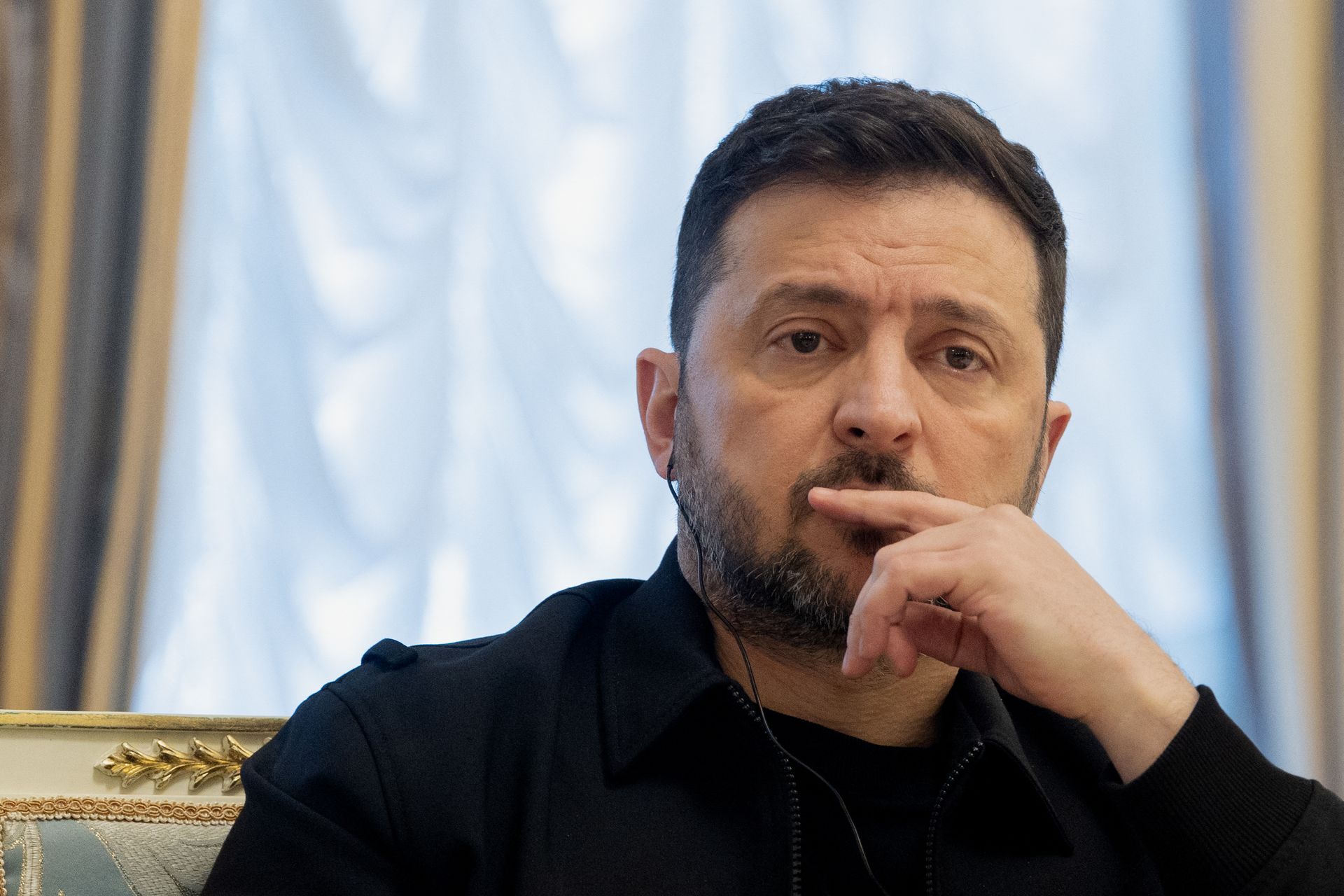
Ukraine waiting for US to sign proposed drone production deal, Zelensky says
#Ukraine #United States #drone production #Zelensky #defense agreement #military aid #manufacturing
📌 Key Takeaways
- Ukraine is awaiting U.S. approval to finalize a drone production agreement.
- President Zelensky emphasized the deal's importance for Ukraine's defense capabilities.
- The proposed deal aims to boost domestic drone manufacturing in Ukraine.
- The agreement is part of broader efforts to strengthen military cooperation with the U.S.
🏷️ Themes
Military Cooperation, Defense Technology
📚 Related People & Topics

Volodymyr Zelenskyy
President of Ukraine since 2019
Volodymyr Oleksandrovych Zelenskyy (born 25 January 1978) is a Ukrainian politician and former entertainer who has served as the sixth president of Ukraine since 2019. He took office five years after the start of the Russo-Ukrainian War with Russia's annexation of Crimea and invasion of the Donbas, ...

Ukraine
Country in Eastern Europe
# Ukraine **Ukraine** is a country located in Eastern Europe. It is the second-largest country in Europe by area, after Russia. Known for its extensive fertile plains, the nation serves as a critical global exporter of grain and is considered a middle power in international affairs. ## Geography a...

United States
Country primarily in North America
The United States of America (USA), also known as the United States (U.S.) or America, is a country primarily located in North America. It is a federal republic of 50 states and a federal capital district, Washington, D.C. The 48 contiguous states border Canada to the north and Mexico to the south, ...
Entity Intersection Graph
Connections for Volodymyr Zelenskyy:
Mentioned Entities
Deep Analysis
Why It Matters
This news matters because it highlights Ukraine's urgent need for advanced military capabilities to counter Russian aggression, particularly through drone technology which has proven crucial in modern warfare. The deal affects Ukraine's defense industry, U.S. military contractors, and NATO allies who are supporting Ukraine's war effort. Delays in signing could impact Ukraine's battlefield effectiveness and signal potential shifts in U.S. support, while successful implementation would strengthen Ukraine's domestic defense production capacity and reduce reliance on foreign supplies.
Context & Background
- Ukraine has been engaged in a full-scale war with Russia since February 2022, with drones playing a critical role in surveillance, targeting, and attacks for both sides
- The United States has provided over $44 billion in military assistance to Ukraine since the invasion began, including various drone systems like Switchblade and Phoenix Ghost drones
- Ukraine has been developing its domestic drone industry throughout the war, with President Zelensky previously announcing plans to produce one million drones in 2024
- Previous U.S.-Ukraine defense cooperation includes joint production agreements for artillery shells and maintenance of military equipment
What Happens Next
The U.S. administration will likely review the proposed deal through defense and diplomatic channels, with potential signing within weeks if approved. Following signing, joint production facilities could be established in Ukraine or neighboring NATO countries, with first drones potentially rolling out within 6-12 months. The deal may face congressional scrutiny during upcoming budget debates, particularly from lawmakers concerned about long-term commitments or technology transfer risks.
Frequently Asked Questions
The deal would probably focus on tactical drones used for reconnaissance and precision strikes, similar to the Switchblade loitering munitions already supplied by the U.S. These would complement Ukraine's existing drone fleet and potentially include new models developed specifically for Ukrainian battlefield conditions.
Domestic production reduces Ukraine's dependence on foreign supplies that can be delayed by political or logistical issues. It also allows for faster adaptation to battlefield needs, creates local jobs, and builds long-term defense industry capacity that will remain valuable after the war ends.
Obstacles could include U.S. concerns about technology protection, congressional opposition to long-term commitments, or disagreements over intellectual property rights. The upcoming U.S. election cycle might also create political hesitation about entering new multi-year defense agreements with Ukraine.
Increased Ukrainian drone production would force Russia to allocate more resources to electronic warfare and air defense systems. It could also limit Russia's ability to concentrate forces and equipment, as more ubiquitous drone surveillance would make large formations vulnerable to detection and targeting.
Initially production would focus on Ukraine's immediate defense needs, but the agreement might include provisions for future exports to allied nations. Any export would require U.S. approval since American technology and components would likely be involved in the production process.