
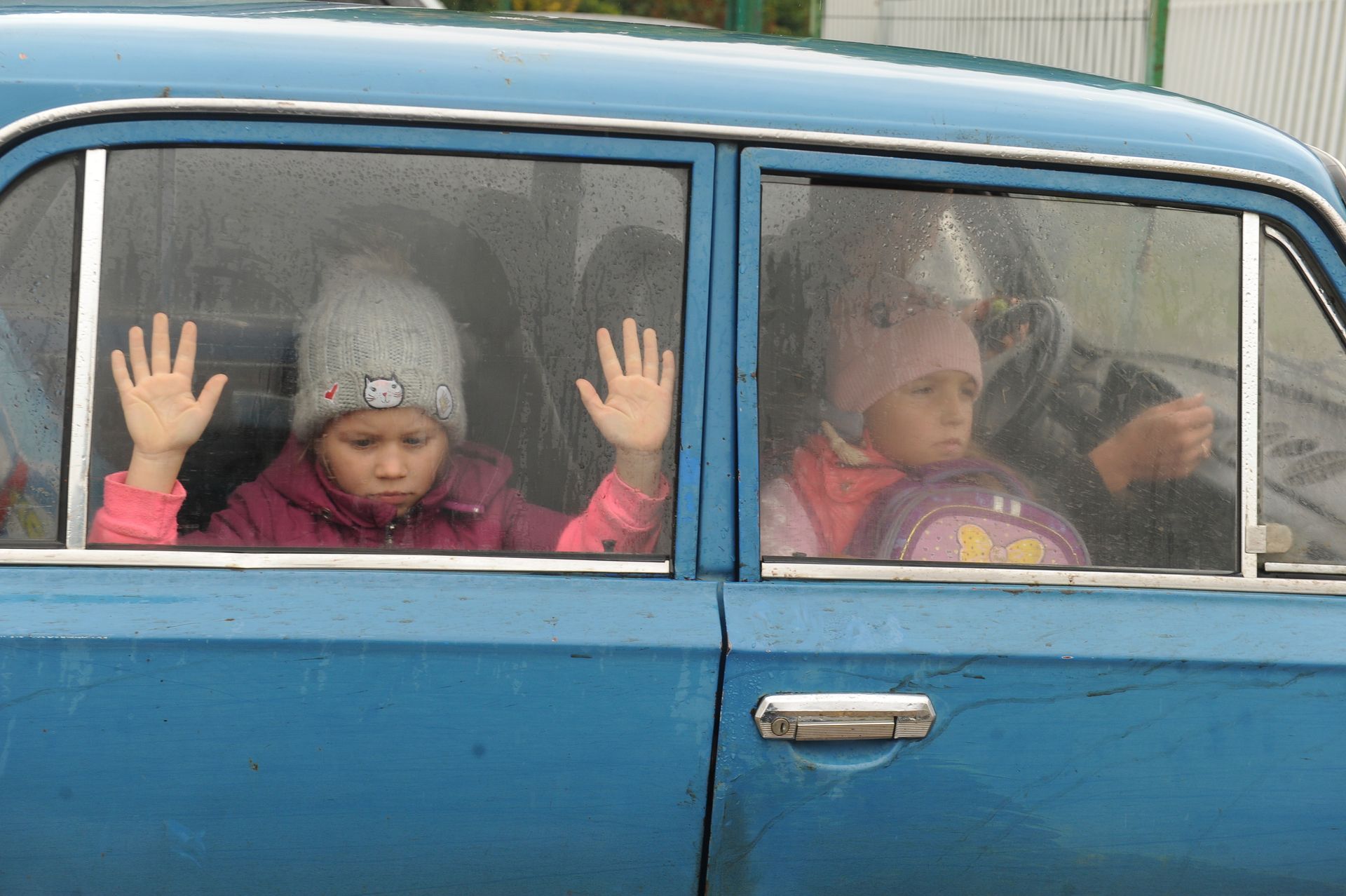
US hearing exposes links between Russia’s energy sector and abduction of Ukrainian children
#Russia #Ukraine #energy sector #abduction #children #US hearing #sanctions
📌 Key Takeaways
- US congressional hearing reveals ties between Russia's energy sector and the abduction of Ukrainian children.
- Evidence suggests Russian energy revenues may be funding or facilitating these abductions.
- The hearing highlights ongoing human rights violations in Ukraine amid the conflict.
- Lawmakers are calling for increased sanctions and accountability for those involved.
📖 Full Retelling
🏷️ Themes
Human Rights, International Relations
📚 Related People & Topics

Russia
Country in Eastern Europe and North Asia
Russia, or the Russian Federation, is a country in Eastern Europe and North Asia. It is the largest country in the world, spanning eleven time zones and sharing land borders with fourteen countries. With a population of over 140 million, Russia is the most populous country in Europe and the ninth-mo...

Ukraine
Country in Eastern Europe
# Ukraine **Ukraine** is a country located in Eastern Europe. It is the second-largest country in Europe by area, after Russia. Known for its extensive fertile plains, the nation serves as a critical global exporter of grain and is considered a middle power in international affairs. ## Geography a...
Entity Intersection Graph
Connections for Russia:
Mentioned Entities
Deep Analysis
Why It Matters
This hearing matters because it directly connects Russia's economic power structure to alleged war crimes, potentially creating new avenues for international accountability. It affects Ukrainian families torn apart by forced deportations, international energy companies doing business with Russia, and policymakers considering sanctions. The revelations could lead to targeted sanctions against specific Russian energy entities and individuals, impacting global energy markets. This also strengthens legal cases against Russia in international courts by demonstrating systematic state involvement in alleged atrocities.
Context & Background
- Russia has been accused by Ukraine and international bodies of forcibly deporting thousands of Ukrainian children since the 2022 invasion began
- The International Criminal Court issued arrest warrants for Vladimir Putin and Maria Lvova-Belova in March 2023 for alleged war crimes involving unlawful deportation of children
- Russia's energy sector, particularly oil and gas exports, has been a primary target of Western sanctions since the invasion began
- Previous investigations have documented systematic filtration camps and forced adoption programs for Ukrainian children in Russian-occupied territories
- The U.S. Congress has held multiple hearings on Russian war crimes and human rights violations since the invasion started
What Happens Next
Congressional committees will likely draft legislation targeting specific Russian energy entities and individuals implicated in the hearing. The State Department may use this evidence to coordinate with European allies on expanded sanctions packages. International prosecutors at the ICC and other tribunals will incorporate this testimony into ongoing war crimes investigations. Expect follow-up hearings with energy company executives and Treasury Department officials about enforcement mechanisms within 2-3 months.
Frequently Asked Questions
The hearing reportedly revealed financial flows, logistical support, and personnel overlaps between Russian energy corporations and organizations involved in transporting Ukrainian children. Testimony suggested energy sector resources were used to facilitate deportation operations and housing in Russian-controlled territories.
If sanctions target specific Russian energy entities, it could disrupt supply chains and force energy importers to seek alternative sources. European countries still receiving Russian energy via pipelines might face increased pressure to completely sever these remaining connections.
The evidence could support new indictments against Russian officials and corporate leaders for war crimes and crimes against humanity. It may also enable asset seizures and travel bans against individuals involved in both energy sector and deportation operations.
This hearing uniquely connects economic actors to alleged atrocities rather than focusing solely on military or political figures. It examines how Russia's primary revenue source may be facilitating systematic human rights violations, creating new pressure points for international response.
Congressional committees typically receive classified briefings from intelligence agencies, suggesting some information came from intercepted communications, financial tracking, or satellite imagery. The public hearing represents only part of what lawmakers have learned through confidential channels.