
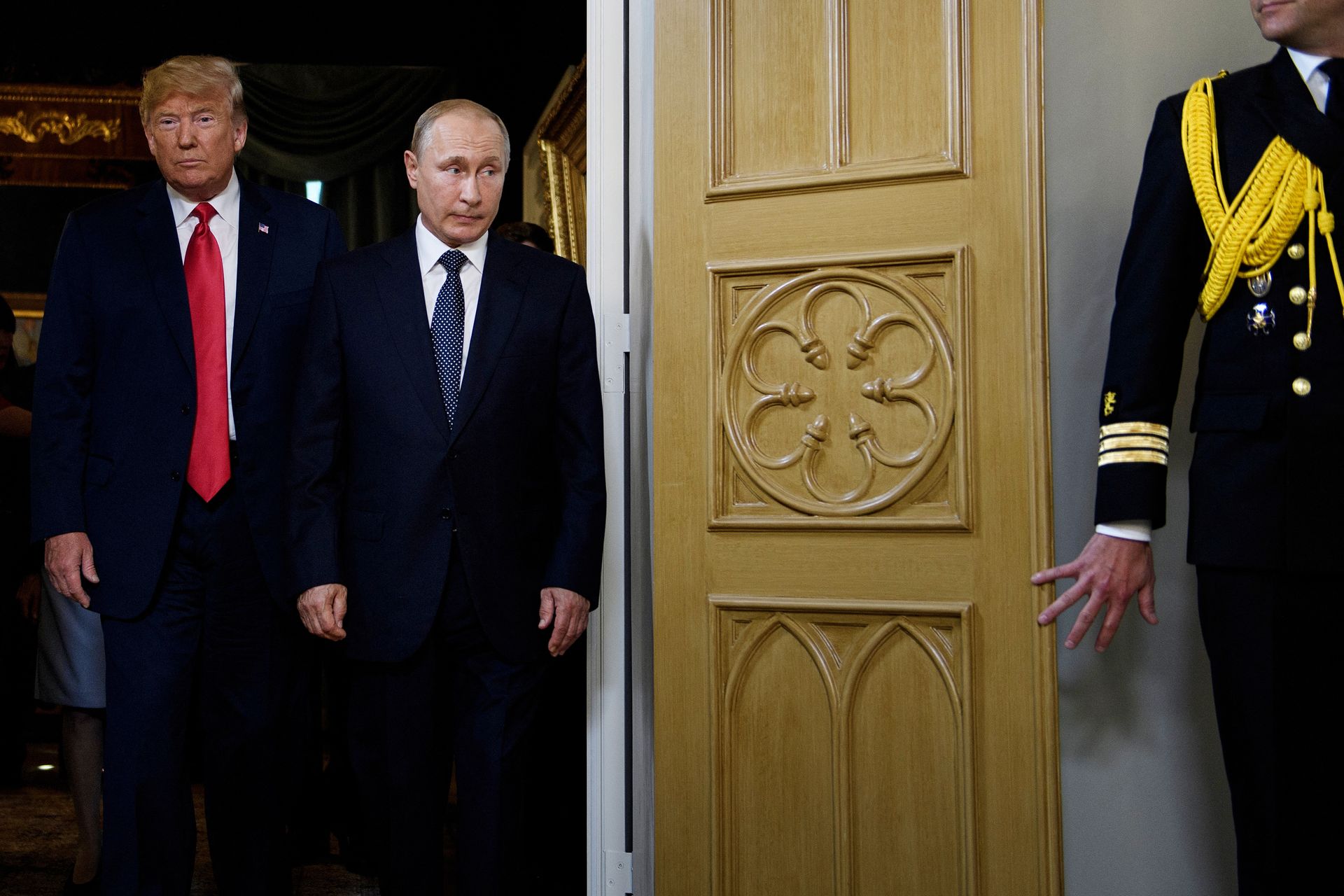
US officials ask 'What does Putin have on Trump?' over downplayed Russian intel to Iran
#Trump #Putin #Russia #Iran #intelligence #US officials #leverage
📌 Key Takeaways
- US officials question Trump's motives for downplaying Russian intelligence on Iran
- Concerns arise over potential leverage Putin may hold over Trump
- Incident highlights tensions in US-Russia relations during Trump's presidency
- Intelligence sharing dynamics between Russia and Iran are under scrutiny
📖 Full Retelling
🏷️ Themes
Geopolitics, Intelligence
Entity Intersection Graph
No entity connections available yet for this article.
Deep Analysis
Why It Matters
This news matters because it raises serious questions about U.S. national security and foreign policy integrity, potentially affecting diplomatic relations with allies and adversaries like Iran and Russia. It impacts U.S. intelligence agencies, policymakers, and the public's trust in government transparency. If true, such actions could undermine counterterrorism efforts and geopolitical stability in the Middle East.
Context & Background
- The U.S. and Russia have a history of intelligence rivalry, with allegations of Russian interference in U.S. elections dating back to 2016.
- Iran has been a long-standing adversary of the U.S., with tensions escalating over nuclear programs and regional proxy conflicts.
- Former President Donald Trump has faced previous scrutiny over his relationship with Russian President Vladimir Putin, including investigations into potential collusion.
- Intelligence sharing and downplaying are sensitive issues, as seen in past controversies like the 2003 Iraq WMD intelligence failures.
What Happens Next
Expect congressional hearings or intelligence committee inquiries into the allegations, possibly leading to declassified reports or testimonies from officials. Diplomatic fallout may include strained U.S.-Iran negotiations or increased scrutiny of U.S.-Russia interactions. Media investigations and potential leaks could further detail the intelligence in question over the coming weeks.
Frequently Asked Questions
It suggests U.S. officials may have minimized or altered intelligence about Russia's activities related to Iran, possibly to avoid diplomatic or political repercussions. This could involve withholding details on Russian support for Iran in conflicts or nuclear programs.
Speculation includes potential compromising information from past business dealings, election interference, or personal interactions. Such leverage could influence U.S. policies to favor Russian interests, as alleged in previous investigations.
It could undermine trust in U.S. intelligence and diplomacy, making negotiations over nuclear deals or regional security more difficult. Iran might exploit perceived U.S. weaknesses or inconsistencies in policy.
If proven, downplaying intelligence could lead to investigations for obstruction or mishandling of classified information, though legal outcomes depend on evidence and jurisdictional factors, including potential immunity issues.
The reliability varies based on sources; anonymous officials may have insider knowledge but require verification through official reports or corroborating evidence. Past instances show such leaks can be politically motivated or incomplete.