
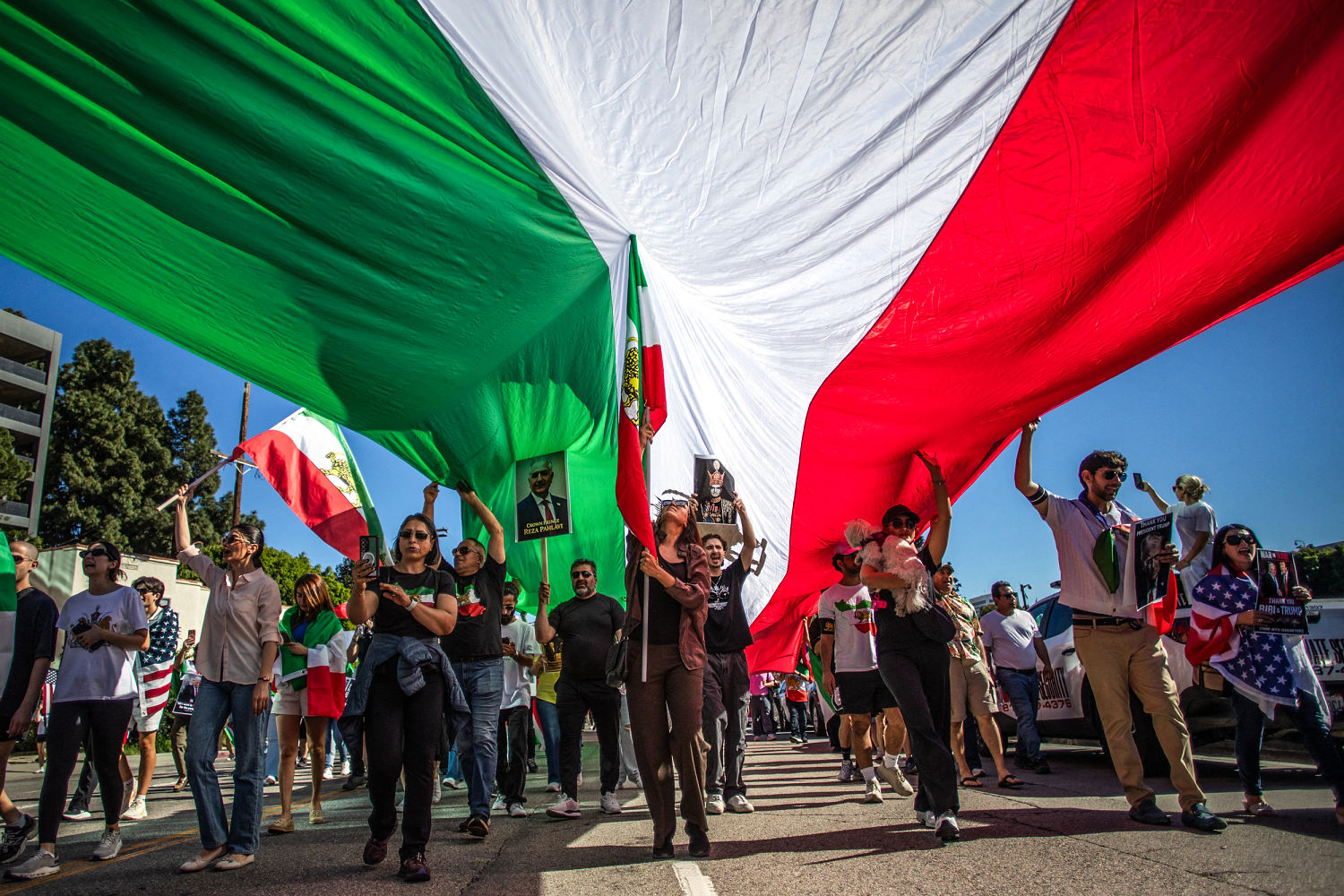
A free Iran is their shared dream. But the diaspora remains torn on the best path forward.
#Iran #diaspora #freedom #political division #strategy #opposition #movement
📌 Key Takeaways
- The Iranian diaspora shares a common goal of achieving a free Iran.
- There is significant disagreement within the diaspora on the best strategy to achieve this goal.
- The article highlights internal divisions over political approaches and methods.
- The lack of a unified path forward presents a major challenge to the movement.
📖 Full Retelling
🏷️ Themes
Diaspora Politics, Political Division
Entity Intersection Graph
No entity connections available yet for this article.
Deep Analysis
Why It Matters
This news matters because it highlights the critical role of the Iranian diaspora in shaping Iran's political future, affecting millions of Iranians both inside and outside the country. The diaspora's divisions reflect broader ideological conflicts about democracy, secularism, and governance that will influence any post-regime transition. Understanding these tensions is essential for international policymakers, human rights advocates, and Iranian communities worldwide who seek a stable, democratic Iran.
Context & Background
- The Iranian diaspora numbers approximately 4-5 million people globally, with significant communities in the US, Canada, Europe, and Turkey.
- Diaspora divisions date back to the 1979 Iranian Revolution, with ongoing debates between monarchists, secular republicans, and various opposition groups.
- Recent protests in Iran since 2022 have intensified diaspora activism while exposing disagreements about leadership and strategy.
- Historical tensions include conflicts between supporters of the former Pahlavi monarchy and those advocating for a secular democratic republic.
What Happens Next
Increased diaspora organizing efforts ahead of potential political transitions in Iran, possible formation of coalition groups or shadow governments, and heightened lobbying of Western governments to support opposition movements. Key dates to watch include anniversary protests and international conferences where diaspora groups attempt to unify their messaging.
Frequently Asked Questions
The diaspora is divided due to historical political traumas from the 1979 revolution, different generational perspectives, and ideological conflicts about whether Iran should restore monarchy, establish secular democracy, or pursue other governance models. These divisions are compounded by regional, ethnic, and religious differences within the community.
Diaspora divisions weaken opposition cohesion, making it harder to present a unified alternative to the current regime. This fragmentation can reduce international support and confuse Iranians inside the country about viable political alternatives, potentially slowing democratic transition efforts.
Major factions include monarchists supporting Reza Pahlavi, secular democratic republicans, leftist groups, and various ethnic minority movements. There are also significant differences between older revolution-era activists and younger diaspora members who prioritize different issues like women's rights and economic reform.
Diaspora groups have limited direct influence on Tehran's current leadership but significantly impact international perceptions through media, lobbying, and cultural activism. They provide crucial support to internal protest movements and help maintain global attention on human rights abuses in Iran.