

Analysis-Iran defies Trump, elevates Khamenei’s son Mojtaba as successor
#Iran #Mojtaba Khamenei #succession #Supreme Leader #Trump administration #hardliners #political dynasty
📌 Key Takeaways
- Iran is positioning Mojtaba Khamenei as a potential successor to Supreme Leader Ayatollah Ali Khamenei.
- This move is seen as a direct challenge to U.S. pressure and sanctions under the Trump administration.
- The succession plan highlights the consolidation of power within Iran's hardline clerical establishment.
- The elevation signals a potential dynastic shift in Iran's political leadership structure.
🏷️ Themes
Iranian Politics, Succession Planning, U.S.-Iran Relations
📚 Related People & Topics
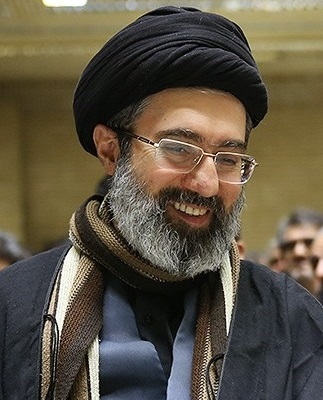
Mojtaba Khamenei
Iranian politician and cleric (born 1969)
Mojtaba Hosseini Khamenei (born 8 September 1969) is an Iranian politician and Muslim cleric. The second eldest child of Ali Khamenei, the former supreme leader of Iran, Mojtaba Khamenei served in the Iran–Iraq War from 1987 to 1988, and also reportedly took control of the Basij that was used to sup...

Iran
Country in West Asia
# Iran **Iran**, officially the **Islamic Republic of Iran** and historically known as **Persia**, is a sovereign country situated in West Asia. It is a major regional power, ranking as the 17th-largest country in the world by both land area and population. Combining a rich historical legacy with a...
Presidency of Donald Trump
Index of articles associated with the same name
Presidency of Donald Trump may refer to:
Supreme Leader
Topics referred to by the same term
A supreme leader or supreme ruler is a powerful figure with an unchallenged authority.
Entity Intersection Graph
Connections for Mojtaba Khamenei:
Mentioned Entities
Deep Analysis
Why It Matters
This development matters because it signals Iran's defiance of Western pressure and solidifies the continuation of theocratic rule through dynastic succession. It affects regional stability by potentially prolonging Iran's confrontational foreign policy, impacts nuclear negotiations by demonstrating Tehran's unwillingness to compromise on internal governance, and concerns Iranian citizens who may see power becoming increasingly concentrated within a single family. The international community, particularly the U.S. and Israel, must now consider how a Mojtaba Khamenei leadership would differ from his father's approach to regional conflicts and nuclear ambitions.
Context & Background
- Ayatollah Ali Khamenei has served as Iran's Supreme Leader since 1989, holding ultimate authority over all state matters including foreign policy and military decisions.
- Succession planning has been a sensitive topic in Iran since the 1979 Islamic Revolution established the Supreme Leader as the highest authority, with previous successions occurring through the Assembly of Experts.
- Mojtaba Khamenei has remained largely out of public view but is known to have significant influence behind the scenes, particularly within the Revolutionary Guards and religious foundations.
- The Trump administration's 'maximum pressure' campaign against Iran included sanctions targeting the Supreme Leader's office and family members, making this succession move particularly defiant.
- Iran's constitution doesn't explicitly prohibit familial succession, but such a move would break with the tradition of selecting senior clerics through consensus rather than inheritance.
What Happens Next
The Assembly of Experts will likely begin more formal discussions about succession procedures, though no official announcement is expected while Ayatollah Khamenei remains in power. Regional tensions may increase as Iran demonstrates its resistance to external pressure through this internal consolidation. International reactions will likely include condemnation from Western nations and careful monitoring by regional rivals like Saudi Arabia and Israel. If formalized, this succession plan could face internal resistance from reformists and some clerics who oppose dynastic rule.
Frequently Asked Questions
Mojtaba Khamenei is the second son of Supreme Leader Ayatollah Ali Khamenei, born in 1969. He has maintained a low public profile while reportedly wielding significant influence within Iran's power structures, particularly with the Islamic Revolutionary Guard Corps and religious foundations. Unlike his father, he hasn't pursued a prominent clerical career but has been involved in theological studies and political organizing.
This move challenges Iran's established succession process where the Assembly of Experts selects the next Supreme Leader from among senior clerics. A familial succession would concentrate power within a single family, potentially weakening the clerical establishment's collective authority. It could also strengthen hardline factions while marginalizing reformists who advocate for more democratic processes.
Internationally, this signals Iran's determination to resist Western pressure and maintain its revolutionary ideology. It complicates nuclear negotiations by demonstrating Tehran's unwillingness to compromise on internal governance matters. Regional rivals like Saudi Arabia and Israel will view this as evidence of continued hardline leadership, potentially escalating proxy conflicts across the Middle East.
Ordinary Iranians may see this as further consolidation of power among elites while economic struggles continue. Younger generations in particular might view dynastic succession as contradicting revolutionary ideals of meritocracy. However, public reaction will likely be muted due to security restrictions on dissent and the Supreme Leader's continued popularity among conservative segments.
No, this is not guaranteed as Ayatollah Khamenei remains in power and the Assembly of Experts must formally approve any successor. Internal opposition from clerics who oppose dynastic rule could still derail the plan. However, Mojtaba's growing influence and backing from powerful institutions like the Revolutionary Guards make him a strong contender.