
Argentina expels Iranian diplomat amid rift over blacklisting IRGC
📖 Full Retelling
📚 Related People & Topics

Islamic Revolutionary Guard Corps
Military organization in Iran
The Islamic Revolutionary Guard Corps (IRGC), also known as the Iranian Revolutionary Guards, is a multi-service primary branch of the Iranian Armed Forces. It was officially established by Ruhollah Khomeini as a military branch in May 1979 in the aftermath of the Iranian Revolution. Whereas the Ira...

Iran
Country in West Asia
# Iran **Iran**, officially the **Islamic Republic of Iran** and historically known as **Persia**, is a sovereign country situated in West Asia. It is a major regional power, ranking as the 17th-largest country in the world by both land area and population. Combining a rich historical legacy with a...
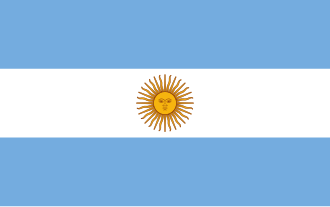
Argentina
Country in South America
Argentina, officially the Argentine Republic, is a country located in the southern cone of South America and with a claimed portion of Antarctica. It covers an area of 2,780,085 km2 (1,073,397 mi2), making it the second-largest country in South America after Brazil, the fourth-largest country in the...
Entity Intersection Graph
Connections for Islamic Revolutionary Guard Corps:
Mentioned Entities
Deep Analysis
Why It Matters
This diplomatic expulsion matters because it represents a significant escalation in Argentina's long-standing tensions with Iran over the 1994 AMIA bombing, which killed 85 people. It directly affects bilateral relations between the two countries and signals Argentina's alignment with Western efforts to pressure Iran over its Revolutionary Guard Corps (IRGC). The move also impacts the Iranian diplomatic corps and could influence how other Latin American nations approach relations with Iran amid international scrutiny of its military activities.
Context & Background
- Argentina has accused Iran of orchestrating the 1994 bombing of the AMIA Jewish community center in Buenos Aires, which remains the deadliest terrorist attack in Argentina's history.
- In 2015, Argentine prosecutor Alberto Nisman was found dead under suspicious circumstances after accusing then-President Cristina Fernández de Kirchner of covering up Iran's involvement in the AMIA bombing.
- The IRGC (Islamic Revolutionary Guard Corps) is Iran's elite military force, designated as a terrorist organization by the United States and several other Western countries.
- Argentina has previously sought Iranian officials for questioning in the AMIA case through Interpol red notices, though Iran has consistently denied involvement.
What Happens Next
Iran will likely respond with reciprocal diplomatic measures, potentially expelling an Argentine diplomat from Tehran. The incident may lead to further deterioration of bilateral relations and could influence Argentina's voting patterns on Iran-related issues at international organizations like the UN. Argentina may face pressure from both domestic Jewish organizations and international allies to maintain this hardline stance against Iranian influence in Latin America.
Frequently Asked Questions
The expulsion appears directly linked to Argentina's recent decision to blacklist the IRGC as a terrorist organization, which Iran strongly opposes. This represents Argentina's continued pressure on Iran regarding the unresolved AMIA bombing investigation.
Relations will likely deteriorate further, potentially freezing diplomatic engagement and complicating any future negotiations about the AMIA case. Iran may retaliate with its own diplomatic expulsions or economic measures.
Blacklisting designates Iran's elite military force as a terrorist organization, restricting their members' travel and financial transactions. This aligns Argentina with US and European policies while increasing pressure on Iran's international operations.
Yes, Argentina's stance may influence regional diplomacy, particularly in countries like Venezuela and Bolivia that have maintained closer ties with Iran. It could create divisions in Latin American approaches to Middle Eastern relations.