

As Netanyahu prepares for elections, his foes in Iran and Lebanon could get a vote
#Netanyahu #Israel elections #Iran #Lebanon #security threats #political strategy #multi-front conflict
📌 Key Takeaways
- Netanyahu must decide on Israel's next election timing amid multi-front conflicts
- Iran and Lebanon may strategically influence Israeli election scheduling
- Security concerns could potentially override political calculations
- Enemies might extend Netanyahu's term through sustained pressure
📖 Full Retelling
🏷️ Themes
Israeli politics, Middle East security, Election timing
📚 Related People & Topics

Iran
Country in West Asia
# Iran **Iran**, officially the **Islamic Republic of Iran** and historically known as **Persia**, is a sovereign country situated in West Asia. It is a major regional power, ranking as the 17th-largest country in the world by both land area and population. Combining a rich historical legacy with a...
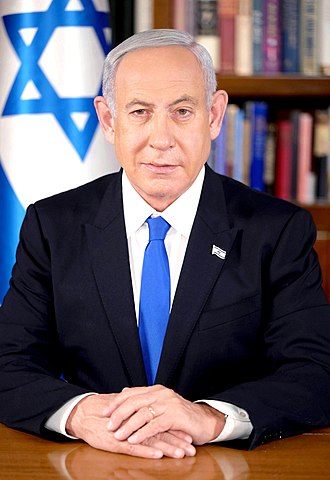
Benjamin Netanyahu
Prime Minister of Israel (1996–1999; 2009–2021; since 2022)
Benjamin "Bibi" Netanyahu (born 21 October 1949) is an Israeli politician and diplomat who has served as Prime Minister of Israel since 2022. Having previously held office from 1996 to 1999 and from 2009 to 2021, Netanyahu is Israel's longest-serving prime minister. Born in Tel Aviv, Netanyahu was r...
Elections in Israel
Elections in Israel are based on nationwide proportional representation. The electoral threshold is currently set at 3.25%, with the number of seats a party receives in the Knesset being proportional to the number of votes it receives. The Knesset is elected for a four-year term, although most gover...

Lebanon
Country in West Asia
Lebanon, officially the Lebanese Republic, is a country in the Levant region of West Asia. Situated at the crossroads of the Mediterranean Basin and the Arabian Peninsula, it is bordered by Syria to the north and east, Israel to the south, and the Mediterranean Sea to the west; Cyprus lies a short d...
Entity Intersection Graph
Connections for Iran:
Mentioned Entities
Deep Analysis
Why It Matters
The timing of Israeli elections could be significantly influenced by external conflicts with Iran and Hezbollah, potentially affecting Israel's democratic process and political stability. This situation creates a complex dilemma for Netanyahu as he must balance electoral considerations against national security concerns. The escalation of tensions by Israel's adversaries could effectively manipulate Israel's domestic political landscape, potentially extending the current government's term without a popular mandate.
Context & Background
- Israel has a history of holding elections during times of conflict and security challenges
- Netanyahu has previously been accused of using security concerns for political advantage during his multiple terms as Prime Minister
- Iran and Israel have maintained a long-standing adversarial relationship with frequent covert and overt conflicts
- Hezbollah is a Lebanese militant group backed by Iran that has engaged in multiple conflicts with Israel
- Israel's electoral system uses proportional representation, making coalition governments common
- Netanyahu's current coalition government is reportedly fragile, contributing to the complexity of his decision
What Happens Next
Netanyahu is expected to make a decision on election timing within the coming weeks, with potential scenarios including delaying elections for national unity or proceeding despite security concerns. Further escalation of tensions along Israel's borders with Lebanon and Iran is likely, as these adversaries may continue to apply pressure to influence the political situation. If elections are delayed, it could trigger political protests and legal challenges, while if held as scheduled, security concerns will dominate the campaign discourse.
Frequently Asked Questions
The article doesn't specify exact dates, indicating Netanyahu hasn't decided yet when to schedule the next parliamentary elections, leaving the timing uncertain.
By escalating tensions along borders, they could pressure Netanyahu to delay elections, potentially extending his term without a popular mandate and manipulating Israel's domestic political landscape.
He must weigh electoral considerations against deteriorating security situations, as holding elections during wartime could be perceived as distracting from national security priorities.
It would extend the current government's term without giving voters a chance to express their preference, potentially working against Netanyahu's political interests despite initial appearances.
The article suggests he has a history of using security concerns for political advantage, though specific examples aren't provided in this excerpt.