
Ayatollah Mojtaba Khamenei says Strait of Hormuz will remain closed, oil prices climb
#Strait of Hormuz #oil prices #Ayatollah Mojtaba Khamenei #closure #geopolitical tension #energy supply #market impact
📌 Key Takeaways
- Ayatollah Mojtaba Khamenei announced the Strait of Hormuz will remain closed.
- The closure has led to a rise in global oil prices.
- The statement signals ongoing geopolitical tensions in the region.
- The move impacts international oil supply and market stability.
📖 Full Retelling
🏷️ Themes
Geopolitics, Energy Markets
📚 Related People & Topics
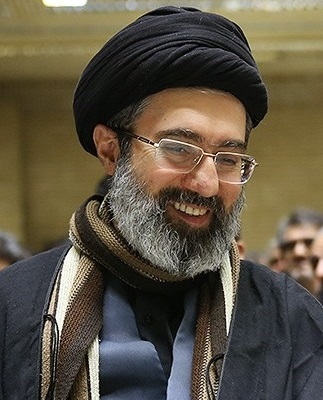
Mojtaba Khamenei
Iranian politician and cleric (born 1969)
Mojtaba Hosseini Khamenei (born 8 September 1969) is an Iranian politician and Muslim cleric. The second eldest child of Ali Khamenei, the former supreme leader of Iran, Mojtaba Khamenei served in the Iran–Iraq War from 1987 to 1988, and also reportedly took control of the Basij that was used to sup...

Strait of Hormuz
Strait between the Gulf of Oman and the Persian Gulf
The Strait of Hormuz ( Persian: تنگهٔ هُرمُز Tangeh-ye Hormoz , Arabic: مَضيق هُرمُز Maḍīq Hurmuz) is a strait between the Persian Gulf and the Gulf of Oman. It provides the only sea passage from the Persian Gulf to the open ocean and is one of the world's most strategically important choke points. ...
Entity Intersection Graph
Connections for Mojtaba Khamenei:
Mentioned Entities
Deep Analysis
Why It Matters
This news is critically important because the Strait of Hormuz is the world's most important oil transit chokepoint, handling about 20-30% of global seaborne oil trade. The closure directly threatens global energy security, potentially causing severe economic disruption through skyrocketing oil prices and supply shortages. This affects virtually every nation's economy, particularly energy-importing countries, shipping companies, and consumers worldwide who would face higher fuel and transportation costs. The statement also represents a significant escalation in regional tensions that could trigger broader military conflict.
Context & Background
- The Strait of Hormuz is a narrow waterway between Oman and Iran that connects the Persian Gulf with the Gulf of Oman and Arabian Sea
- Iran has repeatedly threatened to close the strait in response to sanctions or military threats, viewing it as strategic leverage against Western powers
- The U.S. Fifth Fleet is based in Bahrain and regularly patrols the area to ensure freedom of navigation, creating potential for direct confrontation
- Previous tensions in 2019 and 2022 saw attacks on oil tankers and temporary disruptions in the strait, causing oil price spikes
- Approximately one-fifth of the world's oil passes through the strait daily, primarily from Saudi Arabia, Iraq, UAE, Kuwait, and Qatar
What Happens Next
Oil prices will likely continue climbing in the short term as markets price in supply disruption risks. The U.S. and allied navies will probably increase patrols and military presence in the region. Diplomatic efforts through intermediaries like Oman or Qatar may attempt to de-escalate tensions. If the closure persists beyond a few days, strategic petroleum reserves in consuming countries may be released. The situation could escalate to naval confrontations if Iran attempts to physically block passage or mines the waterway.
Frequently Asked Questions
Mojtaba Khamenei is the son of Iran's Supreme Leader Ali Khamenei and a influential cleric within Iran's power structure. His statements carry weight as they often reflect the thinking of Iran's leadership. This makes his declaration about closing the strait more than just rhetoric, signaling potential official policy.
A closure would likely cause oil prices to spike dramatically, potentially doubling or more, as approximately 20-30% of global seaborne oil trade would be blocked. This would trigger inflation, economic slowdowns in importing nations, and could lead to energy rationing in some countries within weeks.
Iran has the military capability to disrupt shipping through mining, missile attacks, or swarm boat tactics, but completely closing the strait long-term would be difficult against U.S. and allied naval forces. However, even temporary disruption would have major economic consequences and could escalate to broader conflict.
Asian economies like China, Japan, South Korea and India would be severely impacted as they're major importers of Middle Eastern oil. Gulf Cooperation Council countries (Saudi Arabia, UAE, etc.) would lose their primary export route. European nations would also face significant energy supply challenges.
The U.S. and allies typically increase naval presence and conduct freedom of navigation operations. Diplomatic pressure is applied through international organizations. Previous incidents have led to enhanced security coordination among Gulf states and increased military preparedness for potential confrontations.