
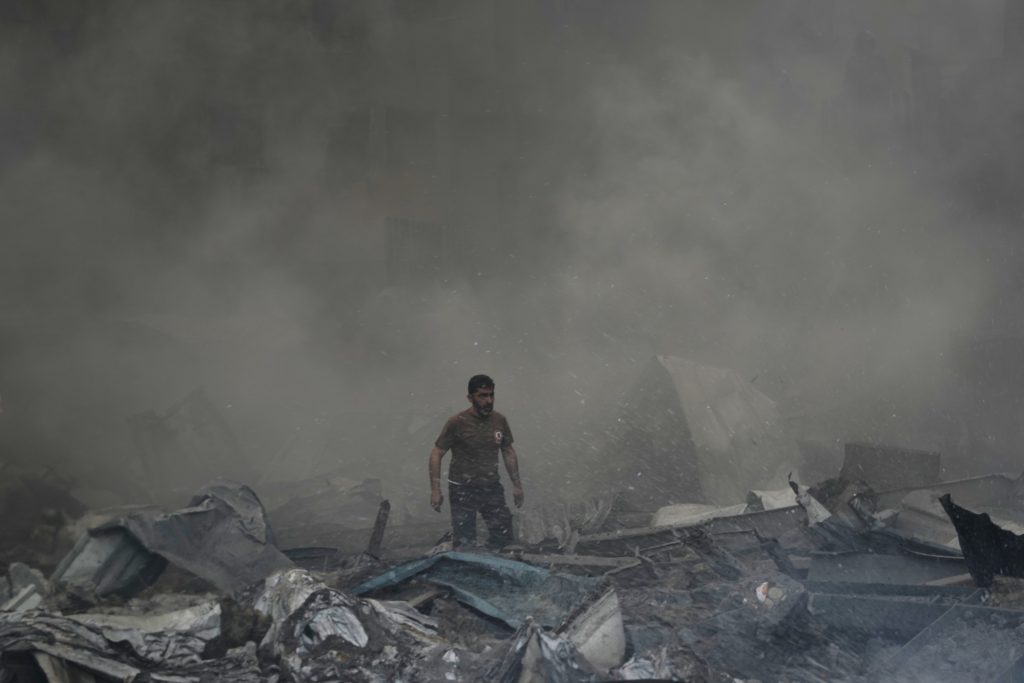
Ceasefire is threatened as Israel expands Lebanon strikes and Iran closes strait again
#Israel #Iran #Strait of Hormuz #ceasefire #Hezbollah #Lebanon #oil prices #escalation
📌 Key Takeaways
- Israel expanded airstrikes into Lebanon, targeting Hezbollah.
- Iran retaliated by closing the strategic Strait of Hormuz.
- These actions severely threaten a recently brokered ceasefire deal.
- The closure of the strait risks global oil market disruption and wider conflict.
- International diplomacy is urgently working to de-escalate the situation.
📖 Full Retelling
🏷️ Themes
Geopolitical Conflict, Energy Security, Diplomacy
📚 Related People & Topics
Hezbollah
Islamist movement and militant group based in Lebanon
Hezbollah is a Shia Islamist Lebanese political party and paramilitary group. Hezbollah's paramilitary wing is the Jihad Council, and its political wing is the Loyalty to the Resistance Bloc party in the Lebanese Parliament. Its armed strength was assessed to be equivalent to that of a medium-sized ...

Iran
Country in West Asia
# Iran **Iran**, officially the **Islamic Republic of Iran** and historically known as **Persia**, is a sovereign country situated in West Asia. It is a major regional power, ranking as the 17th-largest country in the world by both land area and population. Combining a rich historical legacy with a...

Lebanon
Country in West Asia
Lebanon, officially the Lebanese Republic, is a country in the Levant region of West Asia. Situated at the crossroads of the Mediterranean Basin and the Arabian Peninsula, it is bordered by Syria to the north and east, Israel to the south, and the Mediterranean Sea to the west; Cyprus lies a short d...

Strait of Hormuz
Strait between the Gulf of Oman and the Persian Gulf
The Strait of Hormuz ( Persian: تنگهٔ هُرمُز Tangeh-ye Hormoz , Arabic: مَضيق هُرمُز Maḍīq Hurmuz) is a strait between the Persian Gulf and the Gulf of Oman. It provides the only sea passage from the Persian Gulf to the open ocean and is one of the world's most strategically important choke points. ...

Israel
Country in West Asia
Israel, officially the State of Israel, is a country in the Southern Levant region of West Asia. It is bordered by Lebanon to the north, Syria to the northeast, Jordan to the east, and Egypt to the southwest. Israel occupies the West Bank and the Gaza Strip of the Palestinian territories, as well as...
Entity Intersection Graph
Connections for Hezbollah:
View full profileMentioned Entities
Deep Analysis
Why It Matters
This escalation threatens to unravel the diplomatic progress made just days prior and could ignite a broader regional conflict involving major powers. The closure of the Strait of Hormuz poses a direct threat to the global economy by disrupting energy supplies and potentially spiking oil prices. It highlights the volatile interconnectedness of regional proxy conflicts and their capacity to impact international security and markets. Civilians in Israel, Lebanon, and the broader region face the immediate risk of returning to active warfare and humanitarian distress.
Context & Background
- The Strait of Hormuz is a narrow waterway between the Persian Gulf and the Gulf of Oman through which approximately 20% of the world's oil consumption passes.
- Hezbollah is a powerful Shia Islamist political party and militant group based in Lebanon, backed by Iran, and has fought multiple wars with Israel.
- Tensions between Israel and Iran have escalated over years, moving from a 'shadow war' of covert operations to more direct military confrontations.
- Previous ceasefires in the region have historically been fragile, often failing to address underlying issues regarding borders, security, and Iranian influence.
- The United States maintains a significant military presence in the region to ensure freedom of navigation in key waterways and support its allies.
What Happens Next
Diplomatic efforts by the United States and European nations will likely intensify immediately to pressure Iran to reopen the Strait of Hormuz. Global oil markets are expected to react with volatility and price increases if the closure persists. Military posturing by all sides will likely increase in the coming days, raising the risk of a miscalculation that leads to a full-scale regional war.
Frequently Asked Questions
Israel stated that the airstrikes were preemptive measures necessary to stop imminent rocket attacks by Hezbollah.
The strait is a vital passageway for global oil transport; blocking it disrupts energy supplies and creates significant economic leverage for Iran.
Disruption in the Strait of Hormuz can lead to a sharp rise in oil prices, increasing transportation and manufacturing costs worldwide.
The ceasefire was intended to halt direct military engagements to allow for humanitarian aid and create a window for further negotiations.