

Coca-Cola plans to invest $1 billion in South Africa through 2030
📚 Related People & Topics
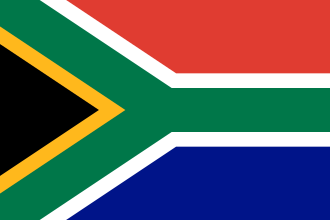
South Africa
Country in Southern Africa
South Africa, officially the Republic of South Africa (RSA), is the southernmost country in Africa. Its nine provinces are bounded to the south by 2,798 kilometres (1,739 miles) of coastline that stretches along the South Atlantic and Indian Ocean; to the north by the neighbouring countries of Namib...
Entity Intersection Graph
Connections for South Africa:
Mentioned Entities
Deep Analysis
Why It Matters
This $1 billion investment by Coca-Cola represents a significant vote of confidence in South Africa's economy and manufacturing sector, potentially creating thousands of jobs and boosting local supply chains. The investment affects South African workers, local suppliers, and the broader beverage industry, while also signaling to other multinational corporations that South Africa remains an attractive investment destination despite economic challenges. For Coca-Cola, this strengthens their market position in Africa's most industrialized economy and demonstrates their long-term commitment to the continent.
Context & Background
- Coca-Cola has operated in South Africa since 1928 and has faced historical controversies including apartheid-era divestment pressures in the 1980s
- South Africa has struggled with high unemployment rates exceeding 30% in recent years, making foreign direct investment crucial for economic growth
- The African continent represents a key growth market for beverage companies as developed markets become saturated
- Coca-Cola previously announced a $17 billion investment across Africa from 2010-2020 as part of their Africa growth strategy
- South Africa's manufacturing sector contributes about 13% to GDP but has faced challenges including energy shortages and infrastructure constraints
What Happens Next
Coca-Cola will likely announce specific projects and timelines for the investment in coming months, potentially including new bottling plants, distribution centers, or sustainability initiatives. The South African government may offer incentives or fast-track approvals to facilitate the investment. Local communities and labor unions will monitor job creation promises, while competitors like PepsiCo may respond with their own investment announcements to maintain market share.
Frequently Asked Questions
South Africa serves as a strategic hub for Coca-Cola's African operations due to its developed infrastructure and manufacturing base. The investment helps secure market dominance in Africa's most industrialized economy while positioning the company for growth across the continent.
While specific details aren't provided, similar Coca-Cola investments typically fund new manufacturing facilities, distribution networks, recycling infrastructure, and local supplier development. The company may also invest in water stewardship projects given South Africa's water scarcity challenges.
The investment should create direct and indirect jobs, boost manufacturing output, and strengthen local supply chains. It may also encourage other multinational corporations to invest in South Africa, though the impact depends on how effectively the funds are deployed across the economy.
Coca-Cola may encounter South Africa's ongoing energy crisis with frequent power outages, infrastructure limitations, and complex labor regulations. The company will also need to navigate environmental concerns about plastic waste and water usage in a water-stressed region.
This aligns with Coca-Cola's strategy to invest in emerging markets with growth potential while mature markets face stagnation. Africa represents one of the company's key growth regions, and South Africa serves as an operational hub for surrounding markets.