
EU offers to pay Ukraine to fix oil pipeline at the center of Ukraine-Hungary feud
#EU #Ukraine #Hungary #oil pipeline #aid veto #Central Europe #technical assistance #feud
📌 Key Takeaways
- EU offers financial and technical assistance to Ukraine for repairing a key oil pipeline to Central Europe.
- The move aims to persuade Hungary to lift its veto on major EU aid packages for Ukraine.
- The pipeline is central to ongoing tensions and disputes between Ukraine and Hungary.
- EU's intervention seeks to resolve the feud to ensure continued support for Ukraine amid regional conflicts.
📖 Full Retelling
🏷️ Themes
EU Diplomacy, Energy Infrastructure
📚 Related People & Topics

European Union
Supranational political and economic union
The European Union (EU) is a supranational political and economic union of 27 member states that are located primarily in Europe. The union has a total area of 4,233,255 km2 (1,634,469 sq mi) and an estimated population of more than 450 million as of 2025. The EU is often described as a sui generis ...

Ukraine
Country in Eastern Europe
# Ukraine **Ukraine** is a country located in Eastern Europe. It is the second-largest country in Europe by area, after Russia. Known for its extensive fertile plains, the nation serves as a critical global exporter of grain and is considered a middle power in international affairs. ## Geography a...

Hungary
Country in Central Europe
Hungary is a landlocked country in Central Europe. Spanning much of the Carpathian Basin, it is bordered by Slovakia to the north, Ukraine to the northeast, Romania to the east and southeast, Serbia to the south, Croatia and Slovenia to the southwest, and Austria to the west. Hungary lies within the...
Central Europe
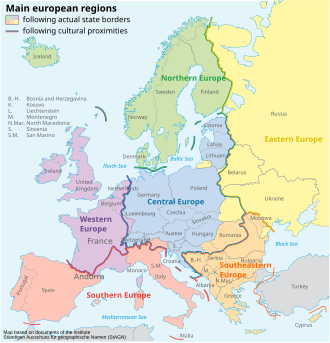
Central Europe is a geographical region of Europe between Eastern, Southern, Western and Northern Europe. Central Europe is known for its cultural diversity; however, countries in this region also share certain historical and cultural similarities. The region is variously defined but often includes ...
Entity Intersection Graph
Connections for European Union:
Mentioned Entities
Deep Analysis
Why It Matters
This news is important because it addresses a critical geopolitical and economic standoff affecting European energy security and support for Ukraine. It directly impacts Ukraine's ability to receive EU aid, Hungary's political leverage within the bloc, and Central Europe's oil supply stability. The resolution could either strengthen EU unity or deepen internal divisions over Ukraine policy.
Context & Background
- The pipeline in question is the Friendship (Druzhba) pipeline, a Soviet-era system that transports Russian oil to Central Europe via Ukraine, with Hungary as a key recipient.
- Hungary has repeatedly blocked or delayed EU financial and military aid packages to Ukraine, citing various political and economic grievances, often aligning with pro-Russian stances.
- The EU has been seeking to reduce dependence on Russian energy since the 2022 invasion of Ukraine, but some landlocked Central European countries like Hungary still rely on Russian oil imports via pipelines.
What Happens Next
If Ukraine accepts the EU's offer and repairs proceed, Hungary may lift its veto on the €50 billion Ukraine aid package, potentially by the next EU summit in late March 2024. If negotiations fail, the EU could explore alternative aid mechanisms bypassing Hungary, but this would further strain bloc unity. Technical assessments of the pipeline damage and repair timelines will be closely monitored.
Frequently Asked Questions
Hungary cites concerns over corruption in Ukraine, the impact of EU sanctions on its own economy, and disputes over Ukrainian policies affecting ethnic Hungarians. Many analysts view it as political leverage to extract EU funds or concessions.
The pipeline is a vital supply route for Hungarian refineries. Disruptions could force Hungary to seek more expensive alternatives, potentially increasing energy costs and reliance on other sources, impacting regional stability.
The EU aims to resolve a practical obstacle (pipeline repairs) to overcome political deadlock, demonstrating a pragmatic approach to maintaining support for Ukraine while addressing member states' specific concerns to preserve unity.
Yes, if successful, it may encourage targeted technical or financial solutions to break political vetoes. However, it risks rewarding obstructionist behavior, potentially incentivizing similar tactics from other member states in the future.