
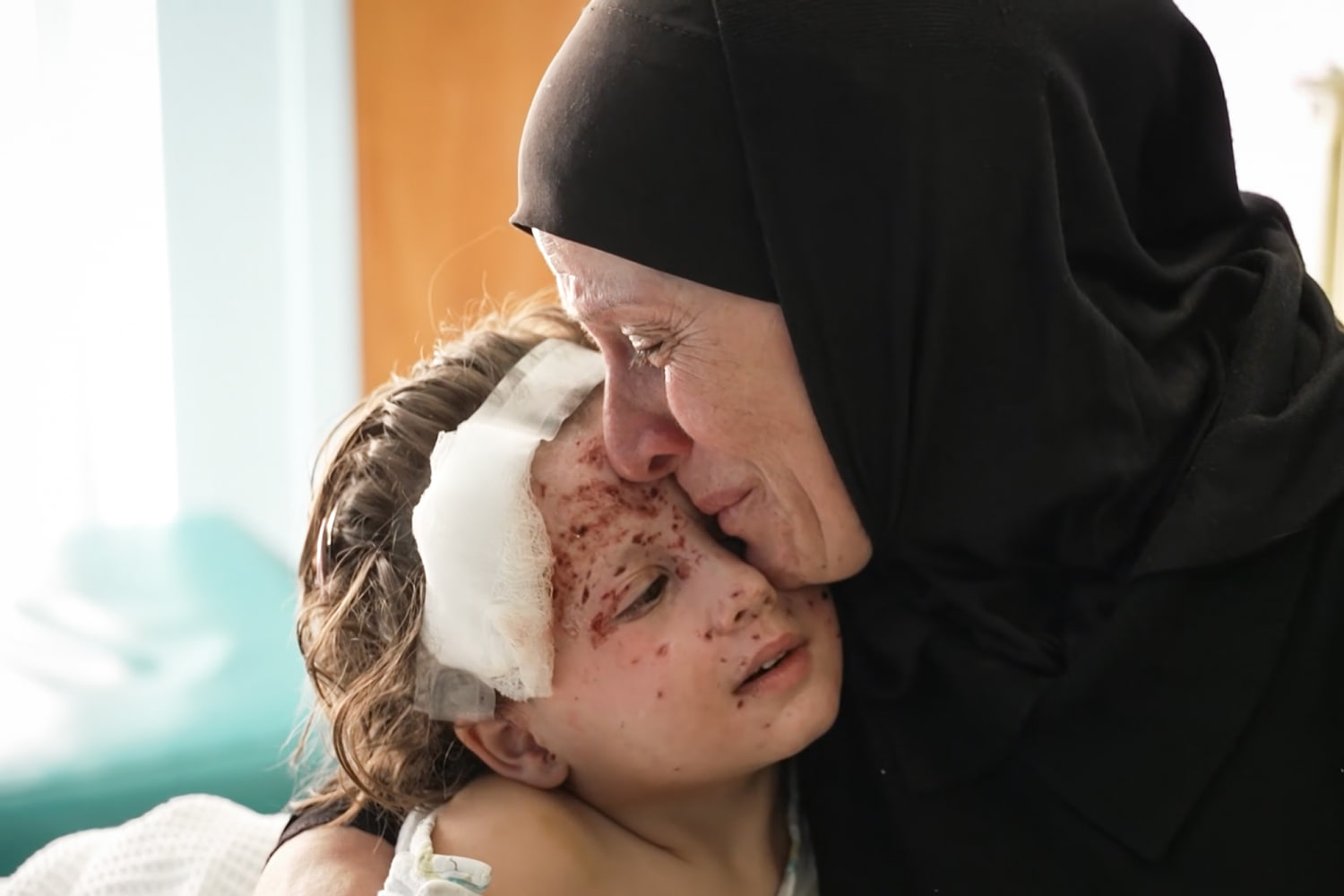
For a surgeon treating Lebanon's wounded children, their horrific injuries bring back memories from Gaza
#surgeon #Lebanon #Gaza #children #injuries #trauma #conflict #medical
📌 Key Takeaways
- A surgeon in Lebanon is treating children with severe injuries reminiscent of those seen in Gaza.
- The surgeon's experiences in Gaza are influencing their current work and emotional response.
- The article highlights the impact of conflict on children's health and medical professionals.
- It underscores the recurring nature of trauma in war zones across different regions.
🏷️ Themes
Conflict Medicine, Child Trauma
📚 Related People & Topics

Lebanon
Country in West Asia
Lebanon, officially the Lebanese Republic, is a country in the Levant region of West Asia. Situated at the crossroads of the Mediterranean Basin and the Arabian Peninsula, it is bordered by Syria to the north and east, Israel to the south, and the Mediterranean Sea to the west; Cyprus lies a short d...
Entity Intersection Graph
Connections for Gaza:
Mentioned Entities
Deep Analysis
Why It Matters
This news highlights the devastating human cost of regional conflicts, particularly on vulnerable children who suffer life-altering injuries. It matters because it reveals how medical professionals working in conflict zones experience psychological trauma from witnessing repeated patterns of violence against civilians. The story affects pediatric surgeons, humanitarian workers, and families in conflict regions while drawing attention to the cyclical nature of violence in the Middle East. It underscores the urgent need for better protection of civilians and mental health support for frontline medical personnel.
Context & Background
- Lebanon has experienced periodic conflict along its southern border with Israel, particularly involving Hezbollah forces
- The Gaza Strip has endured multiple military conflicts since 2008, resulting in thousands of civilian casualties including many children
- Medical professionals in conflict zones often suffer from secondary trauma and burnout from treating severe war injuries
- Children in conflict zones are disproportionately affected by explosive weapons, which cause complex injuries requiring specialized care
- The Middle East has multiple ongoing conflicts creating overlapping humanitarian crises that strain medical systems
What Happens Next
The surgeon will likely continue treating wounded children while advocating for international attention to the crisis. Medical organizations may increase mental health support for professionals working in conflict zones. Humanitarian groups will probably document these cases to push for stronger civilian protection measures. The situation may worsen if border tensions between Lebanon and Israel escalate further, creating more casualties.
Frequently Asked Questions
Children are more susceptible to severe injuries from explosive weapons due to their smaller body size and developing physiology. They often lack the understanding or ability to seek shelter during attacks, and their injuries frequently require specialized pediatric care that may be unavailable in conflict zones.
Surgeons treating war-injured children often experience secondary trauma, compassion fatigue, and PTSD symptoms from repeatedly witnessing horrific injuries. The cumulative effect of treating similar injuries across different conflicts can trigger painful memories and emotional exhaustion that affects their professional and personal lives.
The connection shows how patterns of civilian suffering, particularly among children, repeat across different Middle Eastern conflicts. Medical professionals who have worked in multiple conflict zones recognize similar injury patterns and trauma, highlighting systemic failures in protecting civilians regardless of the specific political context.
The Geneva Conventions and the Convention on the Rights of the Child provide legal protections for children in armed conflict. However, enforcement remains weak, and children continue to suffer disproportionate harm despite these international frameworks designed to shield them from the worst effects of war.
Medical systems in active conflict zones are often overwhelmed and under-resourced, struggling to provide specialized pediatric care. Surgeons must frequently improvise with limited equipment and supplies while dealing with constant influxes of new casualties, creating immense pressure on healthcare workers and facilities.