
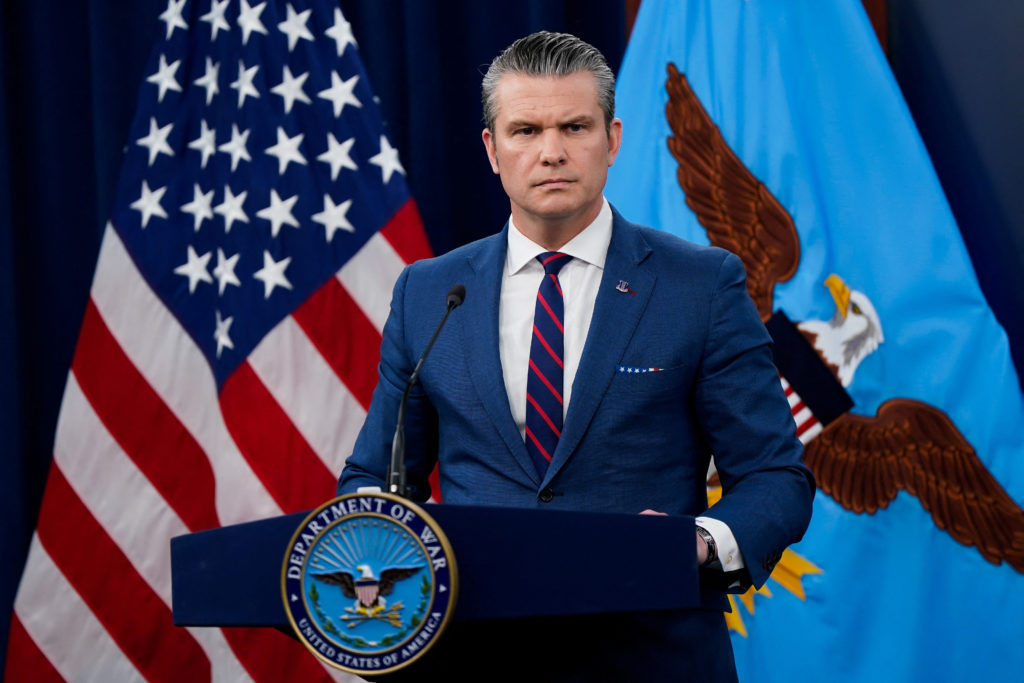
Hegseth's remarks highlight the government's reluctance to show human costs of war
#Hegseth #government #war #human costs #casualties #transparency #criticism
📌 Key Takeaways
- Hegseth criticizes the government for downplaying war's human impact
- Government accused of avoiding transparency on casualties and suffering
- Remarks suggest a policy of minimizing public awareness of war costs
- Highlighted tension between official narratives and harsh realities of conflict
📖 Full Retelling
🏷️ Themes
War transparency, Government criticism
Entity Intersection Graph
No entity connections available yet for this article.
Deep Analysis
Why It Matters
This news matters because it addresses the ethical dilemma governments face when balancing transparency with national security and public morale during wartime. It affects military families who deserve honest information about casualties, journalists fighting for press freedom, and citizens whose support for military engagements depends on understanding the true human cost. The discussion influences public trust in government institutions and shapes historical understanding of conflicts.
Context & Background
- Governments have historically controlled war imagery and casualty reporting, from Civil War photography censorship to Vietnam's 'living room war' coverage
- The Pentagon's 'Dover Ban' (1991-2009) prohibited media coverage of returning military coffins, citing privacy concerns
- Embedded journalist programs since the 2003 Iraq War gave controlled access while limiting independent reporting
- Social media and citizen journalism have challenged official narratives in recent conflicts like Syria and Ukraine
What Happens Next
Increased pressure on defense departments to revise media policies ahead of future conflicts, potential congressional hearings on wartime transparency, and continued debate as new conflicts emerge with evolving media landscapes. Journalistic organizations may file Freedom of Information Act requests for casualty documentation, while military families could become more vocal advocates for transparency.
Frequently Asked Questions
Governments may limit casualty visibility to maintain public support, protect operational security, and respect families' privacy. However, critics argue this prevents honest assessment of war's human toll and democratic accountability.
Smartphones and social media allow instant battlefield documentation bypassing official channels. Despite this, governments still control embedded journalist access and classify sensitive information, creating tension between official and citizen reporting.
Reduced transparency can distort public understanding of conflict severity, delay policy reassessments, and undermine trust in institutions. It may also disrespect military sacrifices by minimizing their visibility.
Based on the title, Hegseth appears to be a commentator or official criticizing government transparency. Without full article details, this likely refers to someone highlighting discrepancies between official narratives and war's human reality.
Approaches vary from Russia's tight media control in Ukraine to Israel's relatively open access during Gaza conflicts. Democratic nations generally face more pressure for transparency but still balance security concerns.