
Iran attacks Israel, Gulf states, after naming new leader on Day 10 of war
#Iran #Israel #Gulf states #oil prices #Mojtaba Khamenei #supreme leader #war #attacks
📌 Key Takeaways
- Iran named Mojtaba Khamenei as the new supreme leader amid ongoing conflict.
- Iran launched new attacks targeting Israel and Gulf states.
- The attacks contributed to a spike in crude oil prices, nearing $120 a barrel.
- The events mark a significant escalation on the tenth day of the war.
📖 Full Retelling
🏷️ Themes
Geopolitical Conflict, Economic Impact
📚 Related People & Topics
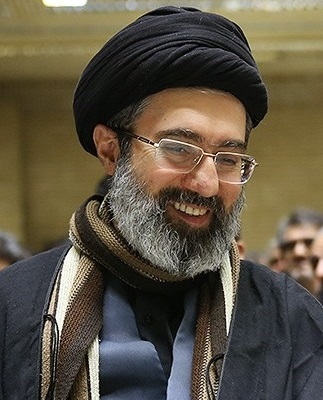
Mojtaba Khamenei
Iranian politician and cleric (born 1969)
Mojtaba Hosseini Khamenei (born 8 September 1969) is an Iranian politician and Muslim cleric. The second eldest child of Ali Khamenei, the former supreme leader of Iran, Mojtaba Khamenei served in the Iran–Iraq War from 1987 to 1988, and also reportedly took control of the Basij that was used to sup...

Iran
Country in West Asia
# Iran **Iran**, officially the **Islamic Republic of Iran** and historically known as **Persia**, is a sovereign country situated in West Asia. It is a major regional power, ranking as the 17th-largest country in the world by both land area and population. Combining a rich historical legacy with a...

Israel
Country in West Asia
Israel, officially the State of Israel, is a country in the Southern Levant region of West Asia. It is bordered by Lebanon to the north, Syria to the northeast, Jordan to the east, and Egypt to the southwest. Israel occupies the West Bank and the Gaza Strip of the Palestinian territories, as well as...
Entity Intersection Graph
Connections for Mojtaba Khamenei:
Mentioned Entities
Deep Analysis
Why It Matters
This news is critically important because it represents a major escalation in Middle Eastern conflicts with global implications. The combination of Iran's leadership transition during wartime and simultaneous attacks on multiple regional targets threatens to expand the ongoing conflict beyond current borders. This directly affects global energy markets as evidenced by the oil price spike, impacts regional stability for Gulf states and Israel, and creates geopolitical risks for international powers with interests in the region. The timing suggests Iran is testing new leadership while demonstrating military capabilities.
Context & Background
- Iran has been engaged in proxy conflicts with Israel and Gulf states for years, often through militant groups like Hezbollah and Houthi rebels
- The position of Supreme Leader in Iran is the highest authority in the country's political system, combining religious and political power
- Global oil prices are highly sensitive to Middle Eastern instability as the region produces approximately 30% of the world's crude oil
- Iran and Israel have been in a long-standing shadow war with occasional direct confrontations, including drone and missile attacks
- Gulf states like Saudi Arabia and UAE have complex relationships with Iran involving both competition and occasional diplomatic engagement
What Happens Next
Expect emergency UN Security Council meetings within 48 hours, potential US and European diplomatic responses, and possible Israeli retaliation. Oil markets will remain volatile with potential for sustained price increases if attacks continue. Regional powers may convene emergency Gulf Cooperation Council meetings. Watch for whether other Iranian proxies (Hezbollah, Houthis) escalate attacks in coming days, and whether Russia or China issue statements on the leadership transition.
Frequently Asked Questions
Mojtaba Khamenei is the son of current Supreme Leader Ali Khamenei and has been a powerful behind-the-scenes figure in Iranian politics. His appointment during wartime suggests Iran is preparing for leadership continuity while demonstrating internal stability during external conflict, which could signal a more aggressive foreign policy approach.
Oil prices surged because attacks on Gulf states threaten production and transportation infrastructure in a region responsible for massive global oil exports. Market fears of supply disruptions combined with concerns that conflict could spread to major oil-producing nations like Saudi Arabia, creating immediate price pressure.
Israel will likely conduct military assessments and consider retaliatory strikes, potentially targeting Iranian military infrastructure or proxy forces. Given the direct nature of the attacks, Israel may respond more forcefully than to previous proxy attacks, possibly with support from US military assets in the region.
These attacks will almost certainly freeze or derail nuclear negotiations, as Western powers cannot engage in diplomacy while Iran conducts military aggression. The leadership transition adds further uncertainty about Iran's diplomatic intentions and commitment to previous agreements.
Gulf states will likely enhance military readiness and coordinate defense through existing security partnerships with the US. They may also pursue diplomatic channels to de-escalate while strengthening alliances with other regional powers, potentially including normalized relations with Israel as a security counterweight to Iran.