

Iran names Khamenei’s son, Mojtaba, as new supreme leader, state media report
#Iran #Supreme leader #Mojtaba Khamenei #Succession #Political transition #Dynastic rule #Islamic Republic
📌 Key Takeaways
- Iran appoints Mojtaba Khamenei as new supreme leader
- Transition follows concerns about current leader's health
- Represents potential shift toward dynastic rule
- Appointment draws mixed reactions domestically and internationally
📖 Full Retelling
🏷️ Themes
Political transition, Succession planning, Geopolitical implications
📚 Related People & Topics
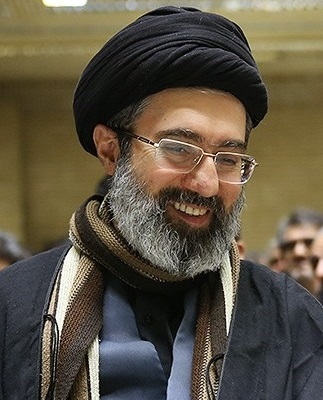
Mojtaba Khamenei
Iranian politician and cleric (born 1969)
Mojtaba Hosseini Khamenei (born 8 September 1969) is an Iranian politician and Muslim cleric. The second eldest child of Ali Khamenei, the former supreme leader of Iran, Mojtaba Khamenei served in the Iran–Iraq War from 1987 to 1988, and also reportedly took control of the Basij that was used to sup...

Iran
Country in West Asia
# Iran **Iran**, officially the **Islamic Republic of Iran** and historically known as **Persia**, is a sovereign country situated in West Asia. It is a major regional power, ranking as the 17th-largest country in the world by both land area and population. Combining a rich historical legacy with a...
Succession
Topics referred to by the same term
Succession is the act or process of following in order or sequence.
Supreme Leader
Topics referred to by the same term
A supreme leader or supreme ruler is a powerful figure with an unchallenged authority.
Entity Intersection Graph
Connections for Mojtaba Khamenei:
Mentioned Entities
Deep Analysis
Why It Matters
The appointment of Mojtaba Khamenei as Iran's new supreme leader represents a potentially historic shift toward dynastic rule in the Islamic Republic, which has avoided monarchy-style succession since its 1979 revolution. This transition could significantly impact Iran's domestic policies, regional influence, and nuclear program as the country seeks to maintain continuity amid international pressures. The move affects not only Iran's 85 million citizens but also global geopolitics, particularly relations with Western powers and neighboring countries in the Middle East.
Context & Background
- Iran has been a theocratic republic since the 1979 Islamic Revolution, which overthrew the monarchy and established a system where ultimate authority rests with the Supreme Leader.
- The current Supreme Leader Ayatollah Ali Khamenei has held power since 1989, making him one of the longest-serving non-royal rulers in the world.
- Previous succession planning in Iran has focused on clerical merit rather than family ties, with Khamenei succeeding Ayatollah Ruhollah Khomeini.
- There has been ongoing speculation about Khamenei's health for years, with reports suggesting various ailments including prostate cancer and recent mobility issues.
- Mojtaba Khamenei has been a behind-the-scenes figure, with limited formal positions but significant influence through his family connections.
- Iran's constitution designates the Supreme Leader as the head of state with ultimate authority over military, judicial, and media institutions.
- The Islamic Republic has previously resisted dynastic succession, viewing it as contrary to revolutionary principles.
What Happens Next
Following the official announcement, we can expect a formal transition ceremony where Mojtaba Khamenei will be officially installed as the Supreme Leader, likely within the next few weeks. International reactions from major powers, particularly the US and European nations, will follow, potentially leading to renewed diplomatic engagement or sanctions depending on policy continuity. Domestically, there may be power struggles as other influential figures within the Islamic Revolutionary Guard Corps and clerical establishment adjust to the new leadership structure. The succession may also prompt neighboring countries and regional powers to reassess their Iran strategies, potentially affecting nuclear negotiations and regional proxy conflicts.
Frequently Asked Questions
Mojtaba Khamenei is the 59-year-old son of current Supreme Leader Ayatollah Ali Khamenei. He has maintained a relatively low public profile despite his influential position, operating largely behind the scenes in Iran's political landscape without holding formal government positions.
This marks a significant departure from Iran's post-revolutionary tradition of selecting Supreme Leaders based on religious and political credentials rather than family ties. Previous transitions have followed merit-based succession, with Khamenei succeeding Ayatollah Ruhollah Khomeini in 1989.
The appointment likely signals a desire to maintain continuity in Iran's foreign policy, particularly regarding its nuclear program and regional influence. However, it could also lead to more assertive or unpredictable foreign policy decisions as the new leader establishes his authority.
Other influential figures within Iran's political establishment, including members of the Islamic Revolutionary Guard Corps and senior clerics, may react with varying degrees of acceptance or resistance. Some may see it as necessary for stability, while others might view it as a departure from revolutionary principles.
International reactions will likely be mixed, with Western powers potentially expressing concerns about democratic legitimacy while monitoring policy continuity. Regional neighbors like Saudi Arabia, Israel, and Turkey will reassess their Iran strategies, potentially affecting regional dynamics and nuclear negotiations.