
Iran names Mojtaba Khamenei as new supreme leader, state media reports
#Iran #Mojtaba Khamenei #Supreme Leader #Leadership transition #Political succession #Iran government #Khamenei family
📌 Key Takeaways
- Iran names Mojtaba Khamenei as new supreme leader
- Mojtaba is the son of current leader Ayatollah Ali Khamenei
- Transition occurs amid regional tensions and economic challenges
- State media confirms the leadership change
📖 Full Retelling
🏷️ Themes
Leadership transition, Political succession, Iran governance
📚 Related People & Topics
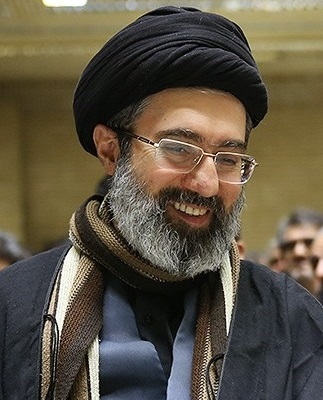
Mojtaba Khamenei
Iranian politician and cleric (born 1969)
Mojtaba Hosseini Khamenei (born 8 September 1969) is an Iranian politician and Muslim cleric. The second eldest child of Ali Khamenei, the former supreme leader of Iran, Mojtaba Khamenei served in the Iran–Iraq War from 1987 to 1988, and also reportedly took control of the Basij that was used to sup...

Iran
Country in West Asia
# Iran **Iran**, officially the **Islamic Republic of Iran** and historically known as **Persia**, is a sovereign country situated in West Asia. It is a major regional power, ranking as the 17th-largest country in the world by both land area and population. Combining a rich historical legacy with a...
Supreme Leader
Topics referred to by the same term
A supreme leader or supreme ruler is a powerful figure with an unchallenged authority.
Entity Intersection Graph
Connections for Mojtaba Khamenei:
Mentioned Entities
Deep Analysis
Why It Matters
This dynastic succession represents a significant shift in Iran's power structure, potentially ensuring continuity in the Islamic Republic's governance while maintaining hardline policies. The transition affects Iran's domestic stability, regional influence, and international relations, particularly regarding its nuclear program and sanctions. It also signals that despite previous denials, Iran's leadership has indeed moved toward a hereditary model, which could have long-term implications for the regime's legitimacy both domestically and internationally.
Context & Background
- Iran has been an Islamic Republic since the 1979 revolution that overthrew the Shah
- The Supreme Leader holds ultimate authority in Iran's political system, above the elected president
- Ayatollah Ali Khamenei has been Supreme Leader since 1989, succeeding Ayatollah Khomeini
- Iran's political system has traditionally avoided direct hereditary succession
- Mojtaba Khamenei has been gradually accumulating influence over the past decade
- Iran has faced significant international sanctions and isolation, particularly since 2018 when the US withdrew from the nuclear deal
- The current 84-year-old Supreme Leader has been preparing for succession for several years
What Happens Next
The formal transition process will likely unfold over the coming months, with Ayatollah Ali Khamenei gradually transferring authority to his son. We can expect a reshuffling of key government positions, with Mojtaba loyalists appointed to important posts. Internationally, this may lead to a reassessment of nuclear negotiations and sanctions policies, with potential hardening of positions from Western powers. Domestically, there may be increased tensions between different political factions as the new leadership consolidates power.
Frequently Asked Questions
No, while not hereditary in the traditional sense, there have been family connections in Iranian politics. However, this marks the first time the Supreme Leader position has been passed to a direct family member, representing a significant departure from previous succession norms.
Given Mojtaba Khamenei's hardline stance and control over security institutions, Iran's nuclear program is likely to continue its current trajectory. This may lead to less flexibility in negotiations with Western powers and potentially more aggressive nuclear development, though the exact approach will depend on strategic calculations.
Mojtaba Khamenei has operated largely behind the scenes, accumulating influence through control of economic and security institutions. He has been involved in intelligence operations and has maintained close ties with the Islamic Revolutionary Guard Corps, giving him significant power despite not holding formal government positions.
The US and Israel are likely to view this succession with concern, potentially leading to a harder line in negotiations and increased pressure on Iran. This could include more sanctions, military posturing, and reduced diplomatic engagement, though the exact response will depend on regional developments and domestic considerations in those countries.
Mojtaba will face challenges from rival political factions, including the presidency, parliament, and various power centers within the Islamic Revolutionary Guard Corps. He must also navigate economic difficulties, international isolation, and potential internal dissent while establishing his own authority separate from his father's legacy.
Iran's relationships with regional powers may become more unpredictable under new leadership. While maintaining alliances with groups like Hezbollah and the Houthis, Iran might adjust its approach to balance regional pressures, potentially seeking pragmatic engagements with some Arab states while continuing to challenge adversaries like Saudi Arabia and Israel.