
Iran names Mojtaba Khamenei new supreme leader, Iranian media reports
#Iran #Mojtaba Khamenei #supreme leader #leadership #political transition #Iranian media #Ayatollah Ali Khamenei
📌 Key Takeaways
- Iranian media reports Mojtaba Khamenei has been named the new supreme leader of Iran.
- This marks a significant leadership transition in Iran's political structure.
- The appointment follows the role previously held by his father, Ayatollah Ali Khamenei.
- The change could influence Iran's domestic and foreign policies moving forward.
📖 Full Retelling
🏷️ Themes
Leadership Change, Political Transition
📚 Related People & Topics
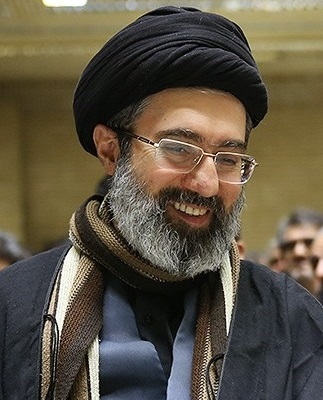
Mojtaba Khamenei
Iranian politician and cleric (born 1969)
Mojtaba Hosseini Khamenei (born 8 September 1969) is an Iranian politician and Muslim cleric. The second eldest child of Ali Khamenei, the former supreme leader of Iran, Mojtaba Khamenei served in the Iran–Iraq War from 1987 to 1988, and also reportedly took control of the Basij that was used to sup...
Entity Intersection Graph
Connections for Mojtaba Khamenei:
Mentioned Entities
Deep Analysis
Why It Matters
This news is critically important because it signals a major transition in Iran's political and religious leadership, potentially affecting the country's domestic policies, international relations, and regional stability. The Supreme Leader holds ultimate authority over Iran's military, foreign policy, and judicial systems, making this appointment significant for Iran's 85 million citizens and its interactions with global powers. The succession could influence Iran's nuclear negotiations, regional proxy conflicts, and internal governance approaches, impacting Middle Eastern geopolitics and global energy markets.
Context & Background
- Ayatollah Ali Khamenei has served as Iran's Supreme Leader since 1989 following the death of revolutionary founder Ayatollah Ruhollah Khomeini
- The Supreme Leader is Iran's highest-ranking political and religious authority under the country's theocratic system, with powers exceeding those of the elected president
- Succession planning has been a subject of intense speculation for years, with Mojtaba Khamenei (the current leader's son) frequently mentioned as a potential successor
- Iran's Assembly of Experts is constitutionally responsible for selecting the Supreme Leader, though the process is heavily influenced by the powerful Revolutionary Guards
- The transition occurs amid ongoing economic challenges, widespread protests, and heightened tensions with Western nations over Iran's nuclear program
What Happens Next
The Assembly of Experts will convene to formally confirm the appointment, likely within days. International reactions from regional neighbors, Western powers, and China/Russia will follow closely. Domestic security forces will be on high alert for potential protests or unrest. Policy continuity versus change will become clearer through initial appointments and statements, particularly regarding nuclear negotiations and regional military activities.
Frequently Asked Questions
Mojtaba Khamenei is the second son of outgoing Supreme Leader Ali Khamenei, born in 1969. He has been groomed for leadership through religious studies in Qom and has held influential behind-the-scenes roles in Iran's political and security apparatus, though he maintains lower public visibility than other clerics.
Initial continuity is likely as the nuclear file is managed by established institutions, but long-term shifts could occur depending on the new leader's ideological orientation and risk tolerance. The appointment may temporarily complicate negotiations as international partners assess the new leadership's positions.
The Supreme Leader controls the armed forces (including the Revolutionary Guards), appoints key judicial and media officials, and has final say over all state matters. This position combines religious authority as Shia Islam's leading jurist with ultimate political command over Iran's hybrid theocratic-democratic system.
Most analysts expect continuity rather than reform, as the succession appears designed to maintain the existing power structure. However, leadership transitions sometimes create unexpected opportunities for policy shifts, particularly if the new leader seeks to establish his own legacy distinct from his father's.
Regional rivals like Saudi Arabia and Israel will analyze the implications for proxy conflicts in Yemen, Syria, and Lebanon. Western nations will watch for changes in Iran's nuclear and regional policies, while Russia and China will seek to maintain their strategic partnerships regardless of leadership changes.