
Iran war live: Mojtaba Khamenei named supreme leader; Israel bombs Tehran
#Iran #Mojtaba Khamenei #supreme leader #Israel #Tehran #airstrikes #war
📌 Key Takeaways
- Mojtaba Khamenei appointed as Iran's new supreme leader.
- Israel conducts airstrikes on Tehran, escalating regional conflict.
- The leadership change occurs amid heightened military tensions.
- The situation reflects a significant escalation in Iran-Israel hostilities.
📖 Full Retelling
🏷️ Themes
Leadership Change, Military Conflict
📚 Related People & Topics
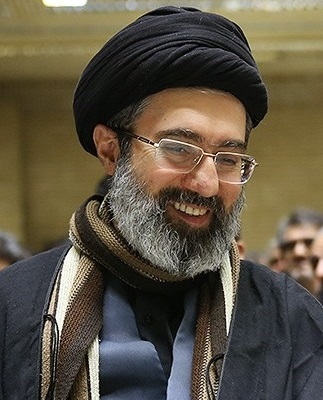
Mojtaba Khamenei
Iranian politician and cleric (born 1969)
Mojtaba Hosseini Khamenei (born 8 September 1969) is an Iranian politician and Muslim cleric. The second eldest child of Ali Khamenei, the former supreme leader of Iran, Mojtaba Khamenei served in the Iran–Iraq War from 1987 to 1988, and also reportedly took control of the Basij that was used to sup...

Iran
Country in West Asia
# Iran **Iran**, officially the **Islamic Republic of Iran** and historically known as **Persia**, is a sovereign country situated in West Asia. It is a major regional power, ranking as the 17th-largest country in the world by both land area and population. Combining a rich historical legacy with a...

Tehran
Capital and largest city of Iran
Tehran is the capital and largest city of Iran. It is also the capital of Tehran province and the administrative center for Tehran County and its Central District. With a population of around 9 million in the city, and 16.8 million in the metropolitan area, Tehran is the most populous city in Iran a...

Israel
Country in West Asia
Israel, officially the State of Israel, is a country in the Southern Levant region of West Asia. It is bordered by Lebanon to the north, Syria to the northeast, Jordan to the east, and Egypt to the southwest. Israel occupies the West Bank and the Gaza Strip of the Palestinian territories, as well as...
Entity Intersection Graph
Connections for Mojtaba Khamenei:
Mentioned Entities
Deep Analysis
Why It Matters
This news represents a seismic shift in Middle Eastern geopolitics with potentially catastrophic consequences. The appointment of Mojtaba Khamenei as supreme leader marks the first hereditary succession in Iran's Islamic Republic, fundamentally altering the country's political structure and potentially consolidating hardline control. Simultaneous Israeli bombing of Tehran escalates the long-standing shadow war between Israel and Iran into open, direct military conflict, threatening regional stability and global energy security. This dual development affects not only the immediate populations of Iran and Israel, but also neighboring countries, international oil markets, and global powers who may be drawn into the conflict.
Context & Background
- Iran's Supreme Leader position has been held by Ayatollah Ali Khamenei since 1989, following the death of revolutionary founder Ruhollah Khomeini
- Mojtaba Khamenei, the current leader's son, has long been rumored as a potential successor but his appointment would break with Iran's tradition of selecting senior clerics through consensus
- Israel and Iran have engaged in proxy conflicts for decades, with Israel conducting numerous covert operations against Iranian nuclear facilities and military assets
- Direct military strikes between Israel and Iran have been rare, with most confrontations occurring through proxies like Hezbollah in Lebanon or Hamas in Gaza
- The Iranian nuclear program has been a central point of contention, with Israel viewing it as an existential threat and previously striking nuclear facilities in Syria and Iraq
What Happens Next
Immediate regional escalation is likely, with Iran expected to retaliate against Israeli targets through its proxy networks in Lebanon, Syria, and Yemen. The United States and other global powers will face pressure to intervene diplomatically or militarily. International oil prices will spike dramatically as Persian Gulf shipping routes become threatened. The UN Security Council will convene emergency sessions, but veto powers may prevent decisive action. Within Iran, potential internal unrest may emerge from reformers opposing hereditary succession.
Frequently Asked Questions
Mojtaba Khamenei is the son of current Supreme Leader Ali Khamenei and has served as a key advisor. His appointment represents a dramatic departure from Iran's established succession process, potentially creating a hereditary leadership structure that could face internal opposition and alter Iran's political dynamics.
Israel likely perceives an existential threat requiring immediate, decisive action, possibly related to advanced Iranian nuclear capabilities or imminent attacks on Israeli territory. Such direct strikes represent a major escalation from Israel's previous policy of targeted covert operations and proxy conflicts.
The United States would face intense pressure to support Israel while avoiding full-scale regional war. Gulf Arab states would likely seek protection from potential Iranian retaliation. Russia and China would probably call for restraint while potentially providing diplomatic cover for Iran at the UN.
Critical risks include disruption of Persian Gulf oil shipments affecting global energy markets, potential activation of Iran's regional proxy networks against US and allied interests, and possible miscalculation leading to broader Middle Eastern conflict involving multiple state actors.
The conflict could accelerate Iran's nuclear ambitions as a deterrent, or alternatively, lead to international pressure for renewed negotiations. Israeli strikes may specifically target nuclear facilities, potentially setting back Iran's program but risking radioactive contamination.