
Iranians rally to welcome Mojtaba Khamenei as new supreme leader
#Iran #Mojtaba Khamenei #supreme leader #rallies #succession #governance #political change
📌 Key Takeaways
- Mojtaba Khamenei is being welcomed as Iran's new supreme leader following public rallies.
- The transition marks a significant shift in Iran's political and religious leadership.
- The event underscores the influence of the Khamenei family in Iranian governance.
- Public demonstrations reflect organized support for the leadership change.
📖 Full Retelling
🏷️ Themes
Leadership Transition, Political Stability
📚 Related People & Topics
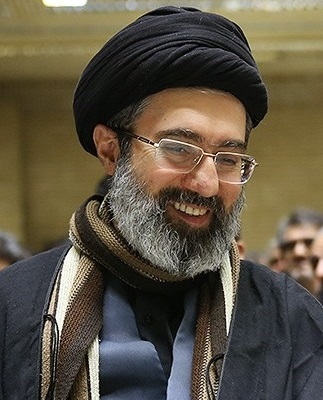
Mojtaba Khamenei
Iranian politician and cleric (born 1969)
Mojtaba Hosseini Khamenei (born 8 September 1969) is an Iranian politician and Muslim cleric. The second eldest child of Ali Khamenei, the former supreme leader of Iran, Mojtaba Khamenei served in the Iran–Iraq War from 1987 to 1988, and also reportedly took control of the Basij that was used to sup...

Iran
Country in West Asia
# Iran **Iran**, officially the **Islamic Republic of Iran** and historically known as **Persia**, is a sovereign country situated in West Asia. It is a major regional power, ranking as the 17th-largest country in the world by both land area and population. Combining a rich historical legacy with a...
Entity Intersection Graph
Connections for Mojtaba Khamenei:
Mentioned Entities
Deep Analysis
Why It Matters
This news matters because it signals a major political transition in Iran, where the Supreme Leader holds ultimate authority over all state matters including foreign policy, military decisions, and religious guidance. The appointment affects Iran's 85 million citizens directly, as it determines the country's future direction on nuclear negotiations, regional conflicts, and domestic policies. It also impacts global geopolitics, particularly Middle East stability and Iran's relationships with Western powers. The transition could either maintain continuity or bring significant changes to Iran's approach to international sanctions and internal dissent.
Context & Background
- Ayatollah Ali Khamenei has served as Iran's Supreme Leader since 1989 following the death of revolutionary founder Ayatollah Ruhollah Khomeini
- The Supreme Leader is appointed by the Assembly of Experts, an 88-member body of Islamic scholars elected by the public
- Mojtaba Khamenei is the son of the current Supreme Leader and has been a prominent religious figure within Iran's political establishment
- Succession planning has been a sensitive topic in Iran, with debates about whether leadership should remain within the Khamenei family or follow different dynastic patterns
- The Supreme Leader controls the Revolutionary Guard, judiciary, and state media, making this the most powerful position in Iran's political system
What Happens Next
Following the official appointment, Mojtaba Khamenei will likely consolidate power by making key appointments in military and security positions over the coming months. International observers will watch for early policy signals regarding nuclear negotiations, which could resume within 3-6 months. Domestic protests or demonstrations may occur depending on public reception, particularly from reformist factions. Regional allies like Hezbollah and Hamas will seek reassurances about continued support, while Saudi Arabia and Israel will analyze the implications for regional security dynamics.
Frequently Asked Questions
The Supreme Leader has ultimate authority over all branches of government, controls the military and Revolutionary Guard, appoints key officials including judges and media heads, and sets overall policy direction. This position outweighs even the presidency in Iran's political structure.
The Assembly of Experts, an elected body of Islamic scholars, chooses the Supreme Leader based on religious qualifications and political acumen. While theoretically elected, the process is heavily influenced by existing power structures within the establishment.
Initial policies will likely maintain continuity, but subtle shifts may emerge over 6-12 months. Much depends on whether Mojtaba Khamenei seeks to distinguish himself from his father's legacy or maintains existing approaches to nuclear talks and regional conflicts.
Reactions are mixed—state-organized rallies show official support, but many citizens privately express concern about dynastic succession. Economic challenges and social restrictions mean public acceptance will depend on early policy decisions affecting daily life.
The new leader will face immediate decisions about returning to nuclear negotiations. Hardline positions could deepen sanctions, while flexibility might revive the 2015 deal framework, with crucial developments expected within the first year.