
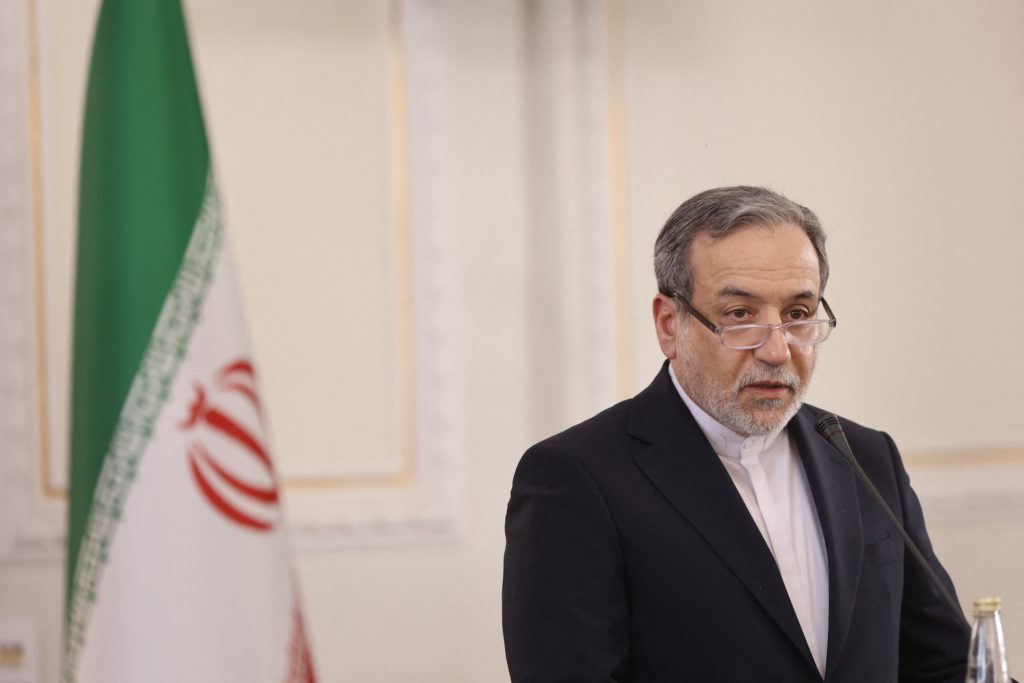
Iran's Araghchi calls U.S. strikes a 'failure' and vows to fight 'as long as it takes'
#Iran #Araghchi #U.S. strikes #failure #conflict #Middle East #military #diplomacy
📌 Key Takeaways
- Iranian official Araghchi criticizes U.S. military strikes as ineffective
- Iran vows to continue fighting until its objectives are met
- Tensions escalate between Iran and the U.S. over military actions
- Statement reflects Iran's defiance and commitment to prolonged conflict
📖 Full Retelling
🏷️ Themes
Geopolitical Tensions, Military Conflict
📚 Related People & Topics

Abbas Araghchi
Iranian diplomat (born 1962)
Abbas Araghchi (Persian: عباس عراقچی, pronounced [ʔæbˌbɒːse æɾɒːˈɢtʃi] ; also spelled Araqchi, born 5 December 1962) is an Iranian diplomat and politician, who has served as the foreign minister of Iran since August 2024. He previously served as the spokesperson for the Ministry of Foreign Affairs a...

Iran
Country in West Asia
# Iran **Iran**, officially the **Islamic Republic of Iran** and historically known as **Persia**, is a sovereign country situated in West Asia. It is a major regional power, ranking as the 17th-largest country in the world by both land area and population. Combining a rich historical legacy with a...

Middle East
Transcontinental geopolitical region
The Middle East is a geopolitical region encompassing the Arabian Peninsula, Egypt, Iran, Iraq, the Levant, and Turkey. The term came into widespread usage by Western European nations in the early 20th century as a replacement of the term Near East (both were in contrast to the Far East). The term ...
Entity Intersection Graph
Connections for Abbas Araghchi:
Mentioned Entities
Deep Analysis
Why It Matters
This statement matters because it signals Iran's continued defiance against U.S. military actions, potentially escalating regional tensions in the Middle East. It affects U.S.-Iran relations, regional stability, and global energy markets due to Iran's strategic location and oil resources. The vow to fight 'as long as it takes' suggests prolonged conflict, impacting diplomatic efforts and security for neighboring countries.
Context & Background
- The U.S. and Iran have had hostile relations since the 1979 Iranian Revolution and subsequent hostage crisis.
- Tensions escalated after the U.S. withdrawal from the 2015 Iran nuclear deal (JCPOA) in 2018 under President Trump.
- Iran has supported proxy groups across the Middle East, including in Iraq, Syria, Lebanon, and Yemen, often clashing with U.S. interests.
- Recent U.S. strikes likely refer to actions against Iran-backed militias in Iraq or Syria, part of ongoing tit-for-tat attacks.
What Happens Next
Expect continued retaliatory strikes between U.S. forces and Iran-backed groups, with potential for miscalculation leading to broader conflict. Diplomatic efforts, possibly through indirect talks or regional mediators, may intensify to de-escalate tensions. Watch for developments at the UN or in nuclear deal negotiations, which could be further complicated by these hostilities.
Frequently Asked Questions
Abbas Araghchi is a senior Iranian diplomat and former deputy foreign minister, known for his role in nuclear negotiations. His statement reflects Iran's official stance, indicating high-level rejection of U.S. military actions and a commitment to prolonged resistance.
The U.S. strikes likely target Iran-backed militias in Iraq or Syria, which have attacked U.S. forces. These are part of a cycle of retaliation, with the U.S. responding to threats against its troops and interests in the region.
This tension undermines nuclear deal negotiations, as hostility reduces trust and complicates diplomacy. Iran may harden its position, demanding guarantees against U.S. military actions as part of any agreement.
Risks include direct conflict between U.S. and Iranian forces, disruption of oil shipments through the Strait of Hormuz, and expanded proxy warfare. Miscalculations could draw in regional allies like Israel or Saudi Arabia.
Regional allies like Israel may support U.S. actions, while Russia and China often criticize U.S. strikes. European nations typically urge de-escalation to preserve nuclear diplomacy and regional stability.