
Iran’s Supreme Leader Mojtaba Khamenei says ‘we seek compensation, not war’
#Iran #Mojtaba Khamenei #Supreme Leader #compensation #war #state TV #regional tensions #diplomacy
📌 Key Takeaways
- New Supreme Leader Mojtaba Khamenei's first major policy statement emphasizes Iran seeks 'compensation, not war'.
- The message aims to de-escalate regional tensions while asserting Iran's grievances and demands.
- The term 'compensation' is interpreted as a call for financial reparations and sanctions relief.
- The statement balances revolutionary ideology with pragmatic crisis management to avoid a full-scale conflict.
📖 Full Retelling
🏷️ Themes
Foreign Policy, Regional Tension, Leadership Transition
📚 Related People & Topics
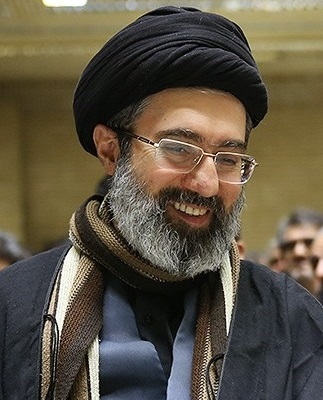
Mojtaba Khamenei
Iranian politician and cleric (born 1969)
Mojtaba Hosseini Khamenei (born 8 September 1969) is an Iranian politician and Muslim cleric. The second eldest child of Ali Khamenei, the former supreme leader of Iran, Mojtaba Khamenei served in the Iran–Iraq War from 1987 to 1988, and also reportedly took control of the Basij that was used to sup...

Iran
Country in West Asia
# Iran **Iran**, officially the **Islamic Republic of Iran** and historically known as **Persia**, is a sovereign country situated in West Asia. It is a major regional power, ranking as the 17th-largest country in the world by both land area and population. Combining a rich historical legacy with a...
Supreme Leader
Topics referred to by the same term
A supreme leader or supreme ruler is a powerful figure with an unchallenged authority.
Entity Intersection Graph
Connections for Mojtaba Khamenei:
Mentioned Entities
Deep Analysis
Why It Matters
This announcement marks the first major foreign policy definition by Iran's new leadership, a critical moment for the Middle East's geopolitical landscape. It signals a potential strategic pivot toward economic relief and diplomacy to avoid a full-scale war that the Iranian economy cannot sustain. However, the ambiguity of the term 'compensation' creates uncertainty for Western powers and regional adversaries like Israel and the United States regarding Iran's true intentions.
Context & Background
- Mojtaba Khamenei recently assumed the role of Supreme Leader, succeeding his father, marking a significant transition of power in Iran.
- Iran has been under intense international pressure and sanctions for years, which have severely damaged its national economy.
- The region is currently experiencing heightened tensions involving proxy warfare and direct confrontations between Iran, Israel, and the United States.
- Iran historically balances revolutionary ideology with pragmatic statecraft, often utilizing 'resistance' rhetoric to maintain domestic and regional influence.
What Happens Next
Diplomatic channels will likely scrutinize the specific definition of 'compensation' to determine if negotiations are feasible. Regional adversaries may pause immediate escalation to gauge the new leadership's sincerity and military posture. International observers will watch for any tangible changes in Iran's support for proxy groups as a true test of de-escalation.
Frequently Asked Questions
He is the newly appointed Supreme Leader of Iran, succeeding his father, and holds the ultimate political and religious authority in the country.
Analysts believe this refers to long-standing demands for financial reparations and the lifting of economic sanctions imposed by Western powers.
Not necessarily; while the rhetoric aims to de-escalate fears of total war, analysts caution it does not indicate a stop to support for proxy militant groups.
Iran's economy is ill-prepared to sustain a full-scale war, prompting the leadership to prioritize economic relief and conflict avoidance.