

Is Daylight Saving Time Still Worth It in 2026? Debate Rages on
#Daylight Saving Time #2026 #sleep disruption #energy savings #legislation #public debate #health risks #time change
📌 Key Takeaways
- Daylight Saving Time's relevance is questioned for 2026, with ongoing debate.
- Critics argue DST disrupts sleep patterns and increases health risks.
- Proponents claim DST conserves energy and supports evening activities.
- Legislative efforts to abolish or make DST permanent are under discussion.
- Public opinion remains divided on the necessity of time changes.
📖 Full Retelling
🏷️ Themes
Time Policy, Public Health, Energy Conservation
📚 Related People & Topics
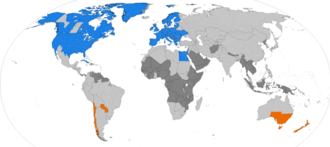
Daylight saving time
Seasonal change of clock settings
Daylight saving time (DST), also referred to as daylight savings time, daylight time (United States and Canada), or summer time (United Kingdom, European Union, and others), is the practice of advancing clocks to make better use of the longer daylight available during summer so that darkness falls a...
Entity Intersection Graph
Connections for Daylight saving time:
Mentioned Entities
Deep Analysis
Why It Matters
This debate matters because it affects nearly all Americans' daily schedules, sleep patterns, and energy consumption. The twice-yearly time changes impact public health through increased risks of heart attacks, strokes, and workplace accidents following transitions. Businesses face operational challenges and scheduling complications, while parents struggle with disrupted children's sleep routines. The discussion represents a significant policy decision balancing tradition, energy conservation, and modern lifestyle needs.
Context & Background
- Daylight Saving Time was first implemented in the U.S. during World War I to conserve energy by extending evening daylight
- The Uniform Time Act of 1966 standardized DST across most states, though Arizona and Hawaii opted out
- The Energy Policy Act of 2005 extended DST by four weeks, creating the current March-November schedule
- Multiple studies since 2010 have shown minimal energy savings from DST, undermining its original purpose
- The Sunshine Protection Act of 2021 passed the Senate unanimously but stalled in the House, showing recent legislative momentum
What Happens Next
State legislatures will likely continue passing bills to adopt permanent time arrangements, creating a patchwork of time zones if federal action isn't taken. Congress may reconsider the Sunshine Protection Act or similar legislation in 2025-2026, with potential implementation in 2027 if passed. The Department of Transportation will continue evaluating state petitions for time zone changes while health organizations increase pressure for permanent Standard Time based on sleep science.
Frequently Asked Questions
Permanent DST would keep the 'spring forward' time year-round, providing later sunsets but darker winter mornings. Permanent Standard Time would maintain the 'fall back' schedule, offering earlier sunrises but earlier sunsets in summer evenings.
Arizona and Hawaii have exempted themselves from DST, maintaining Standard Time year-round. Additionally, U.S. territories including Puerto Rico, Guam, and the Virgin Islands don't observe DST, citing minimal energy benefits in tropical regions.
Opponents cite health risks from disrupted circadian rhythms, increased accident rates following time changes, minimal modern energy savings, and economic costs from schedule disruptions. Sleep experts particularly advocate for permanent Standard Time as better aligned with human biology.
Northern states would experience extremely dark winter mornings under permanent DST, while southern states would see very late summer sunsets. Western edges of time zones would be disproportionately affected, with some areas experiencing sunrise after 8:30 AM in winter under permanent DST.
States can opt out of DST entirely (like Arizona and Hawaii) but cannot adopt permanent DST without Congressional approval. They can also petition to change time zones, which requires Department of Transportation approval based on economic and convenience factors.