

Mojtaba Khamenei, Iran’s New Supreme Leader, Says Strait of Hormuz Must Remain Closed in Defiant Statement
#Mojtaba Khamenei #Supreme Leader #Iran #Strait of Hormuz #oil shipping #defiant statement #closure
📌 Key Takeaways
- Mojtaba Khamenei is identified as Iran's new Supreme Leader.
- He declares the Strait of Hormuz must remain closed.
- The statement is characterized as defiant in tone.
- The closure impacts a critical global oil shipping route.
📖 Full Retelling
🏷️ Themes
Geopolitics, Energy Security
📚 Related People & Topics
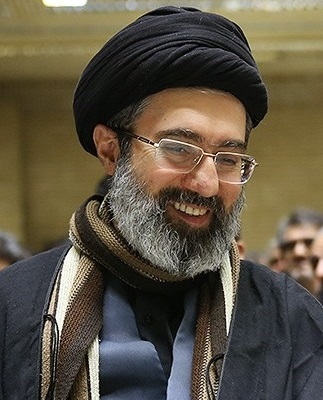
Mojtaba Khamenei
Iranian politician and cleric (born 1969)
Mojtaba Hosseini Khamenei (born 8 September 1969) is an Iranian politician and Muslim cleric. The second eldest child of Ali Khamenei, the former supreme leader of Iran, Mojtaba Khamenei served in the Iran–Iraq War from 1987 to 1988, and also reportedly took control of the Basij that was used to sup...

Iran
Country in West Asia
# Iran **Iran**, officially the **Islamic Republic of Iran** and historically known as **Persia**, is a sovereign country situated in West Asia. It is a major regional power, ranking as the 17th-largest country in the world by both land area and population. Combining a rich historical legacy with a...

Strait of Hormuz
Strait between the Gulf of Oman and the Persian Gulf
The Strait of Hormuz ( Persian: تنگهٔ هُرمُز Tangeh-ye Hormoz , Arabic: مَضيق هُرمُز Maḍīq Hurmuz) is a strait between the Persian Gulf and the Gulf of Oman. It provides the only sea passage from the Persian Gulf to the open ocean and is one of the world's most strategically important choke points. ...
Supreme Leader
Topics referred to by the same term
A supreme leader or supreme ruler is a powerful figure with an unchallenged authority.
Entity Intersection Graph
Connections for Mojtaba Khamenei:
Mentioned Entities
Deep Analysis
Why It Matters
This statement threatens global energy security as the Strait of Hormuz is a critical chokepoint for 20-30% of the world's oil shipments, directly impacting oil prices and economies worldwide. It escalates regional tensions with Gulf states and international powers like the U.S. and EU who rely on this maritime route. The declaration signals Iran's willingness to use strategic geography as leverage in geopolitical conflicts, potentially triggering military responses and disrupting global trade flows.
Context & Background
- The Strait of Hormuz is a narrow waterway between Iran and Oman connecting Persian Gulf oil producers to global markets, with about 21 million barrels of oil passing through daily.
- Iran has repeatedly threatened to close the strait during tensions with Western powers, particularly regarding nuclear sanctions and regional conflicts.
- Mojtaba Khamenei recently succeeded his father Ali Khamenei as Supreme Leader, marking a dynastic transition in Iran's theocratic leadership structure.
- The U.S. maintains a significant naval presence in the region through the Fifth Fleet based in Bahrain to ensure freedom of navigation.
- Previous Iranian threats in 2018-2019 led to tanker attacks and heightened U.S.-Iran military tensions in the Gulf waters.
What Happens Next
International naval forces will likely increase patrols near the strait in coming weeks, with possible emergency OPEC+ meetings to discuss oil supply contingencies. The U.S. and allies may announce new sanctions or military exercises in response, while diplomatic channels through Oman or Qatar may attempt to de-escalate tensions. Oil markets will experience volatility with potential price spikes if shipping insurance rates increase or tankers reroute.
Frequently Asked Questions
Global oil prices would spike dramatically, potentially causing economic shocks worldwide as alternative shipping routes are longer and more expensive. The U.S. and allied navies would likely attempt to reopen the waterway, risking direct military confrontation with Iranian forces in the Gulf region.
Iran uses the strait as geopolitical leverage against Western sanctions and international pressure regarding its nuclear program and regional activities. Closing it represents both an economic weapon and a defensive strategy against perceived threats to Iranian sovereignty.
While Iran cannot permanently seal the 21-mile wide channel, its military could temporarily disrupt shipping through mines, missiles, and fast-attack craft harassment. Complete closure would require sustained military action against international naval forces patrolling the area.
Gulf oil exporters like Saudi Arabia, UAE, and Qatar would lose primary export routes, while Asian economies like China, India, Japan and South Korea that import most Gulf oil would face immediate energy security crises. European countries also receive significant LNG shipments through the strait.
This represents escalatory brinkmanship that could derail diplomatic efforts, as Western powers view such threats as attempts to gain leverage in nuclear talks. Alternatively, it may be positioning for concessions before returning to negotiations from a stronger perceived position.