
Mojtaba Khamenei’s rumoured injury or death won’t change Iran’s trajectory
📖 Full Retelling
📚 Related People & Topics
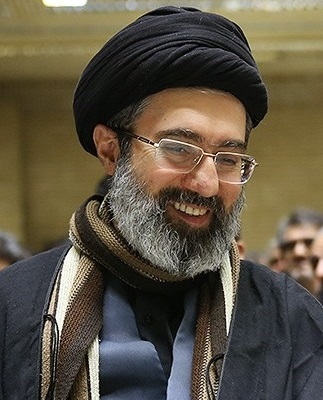
Mojtaba Khamenei
Iranian politician and cleric (born 1969)
Mojtaba Hosseini Khamenei (born 8 September 1969) is an Iranian politician and Muslim cleric. The second eldest child of Ali Khamenei, the former supreme leader of Iran, Mojtaba Khamenei served in the Iran–Iraq War from 1987 to 1988, and also reportedly took control of the Basij that was used to sup...

Iran
Country in West Asia
# Iran **Iran**, officially the **Islamic Republic of Iran** and historically known as **Persia**, is a sovereign country situated in West Asia. It is a major regional power, ranking as the 17th-largest country in the world by both land area and population. Combining a rich historical legacy with a...
Entity Intersection Graph
Connections for Mojtaba Khamenei:
Mentioned Entities
Deep Analysis
Why It Matters
This news matters because Mojtaba Khamenei is considered a potential successor to his father, Supreme Leader Ayatollah Ali Khamenei, making his status directly relevant to Iran's future leadership transition. The article's assertion that his rumored injury or death wouldn't change Iran's trajectory suggests the country's political system and policies are institutionalized beyond individual figures. This affects regional stability, international relations with Iran, and internal Iranian politics, as speculation about succession could influence power dynamics within the conservative establishment.
Context & Background
- Mojtaba Khamenei is the second son of Iran's current Supreme Leader Ayatollah Ali Khamenei and has been mentioned as a possible successor despite no formal designation.
- Iran's Supreme Leader holds ultimate authority over military, foreign policy, and religious matters, making succession a critical issue for the country's future direction.
- The Islamic Republic has maintained consistent regional policies (supporting proxies in Lebanon, Syria, Yemen) and nuclear ambitions across different administrations since 1979.
- Previous rumors about Mojtaba's political involvement have circulated for years, often tied to speculation about succession planning within Iran's opaque leadership circles.
What Happens Next
Continued speculation about Mojtaba Khamenei's status will likely persist until official confirmation or denial from Iranian authorities. Attention will shift to other potential successors within the conservative establishment, including figures like Ebrahim Raisi or other clerics. The Assembly of Experts will eventually face the constitutional task of selecting the next Supreme Leader when the position becomes vacant, a process that could reveal internal power struggles.
Frequently Asked Questions
Mojtaba Khamenei is the son of Iran's current Supreme Leader and has been rumored as a potential successor. His importance stems from his familial connection and perceived influence within Iran's political-religious establishment, though he holds no official government position.
Iran's policies are determined by institutional structures like the Revolutionary Guards, clerical establishment, and security apparatus rather than individuals. The system has maintained consistent strategic objectives regardless of personnel changes in its 45-year history.
The 88-member Assembly of Experts elects the Supreme Leader. This clerical body is theoretically independent but in practice reflects the conservative establishment's preferences. The process occurs after the current leader's death or incapacitation.
Iran's foreign policy priorities—nuclear program development, regional influence through proxies, and anti-Western posture—are unlikely to change regardless of leadership transitions. These are state policies embedded in security institutions.
Rumors about Iranian leadership often circulate due to the regime's opacity, but should be treated cautiously. The government tightly controls information, and unconfirmed reports frequently serve political agendas both inside and outside Iran.