
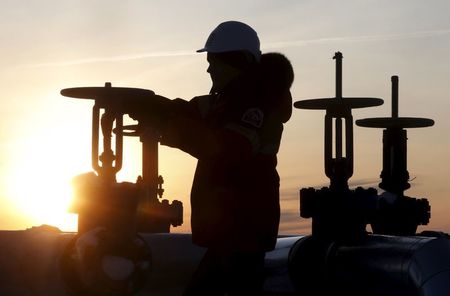
Oil prices soar as Iran conflict rages on, Brent heads for best week since 2020
#oil prices #Iran conflict #Brent crude #Middle East #supply disruption #market volatility #energy crisis
📌 Key Takeaways
- Oil prices surge due to escalating conflict involving Iran.
- Brent crude is on track for its best weekly performance since 2020.
- Geopolitical tensions in the Middle East are driving market volatility.
- The price increase reflects heightened supply disruption risks.
🏷️ Themes
Geopolitics, Energy Markets
Entity Intersection Graph
No entity connections available yet for this article.
Deep Analysis
Why It Matters
This news matters because surging oil prices directly impact global inflation, transportation costs, and household budgets worldwide. It affects consumers through higher gasoline prices, airlines through increased fuel costs, and governments through economic stability challenges. The conflict's escalation threatens critical Middle Eastern oil infrastructure and shipping lanes, potentially disrupting 20% of global oil supplies. Energy-dependent industries and emerging economies with fuel subsidies face particular financial strain from sustained price increases.
Context & Background
- Iran produces approximately 3 million barrels of oil per day and controls the strategic Strait of Hormuz through which 20% of global oil passes
- Brent crude serves as the international benchmark for oil prices, influencing everything from gasoline prices to manufacturing costs globally
- The Middle East accounts for about 30% of global oil production, making regional conflicts particularly disruptive to energy markets
- Previous Middle East conflicts have triggered oil price shocks, including during the 1973 Arab-Israeli War and 1990 Gulf War
- Global oil markets were already tight before this conflict due to OPEC+ production cuts and recovering post-pandemic demand
What Happens Next
Markets will monitor whether the conflict spreads to other regional producers like Saudi Arabia or disrupts Strait of Hormuz shipping. OPEC+ may reconsider production cuts at their June 1 meeting if prices remain elevated. The U.S. may consider additional Strategic Petroleum Reserve releases if prices exceed $100/barrel. Energy companies will accelerate hedging activities, while airlines may implement fuel surcharges on tickets within 2-3 weeks.
Frequently Asked Questions
Higher oil prices increase gasoline costs at the pump, raising transportation expenses for commuting and goods delivery. They also contribute to broader inflation as energy costs factor into production and transportation of most consumer goods, from food to electronics.
Iran is a major oil producer and, more importantly, controls the Strait of Hormuz chokepoint where 20% of global oil passes. Any threat to this shipping lane or Iranian production facilities creates immediate supply concerns, as alternative routes are limited and more expensive.
Brent crude serves as the primary global benchmark, pricing about two-thirds of internationally traded oil. West Texas Intermediate (WTI) is the main U.S. benchmark, while Dubai/Oman crude references Middle Eastern oil. Brent's premium reflects its role in pricing waterborne crude shipments worldwide.
Governments may release strategic petroleum reserves, pressure OPEC to increase production, or implement fuel subsidies in vulnerable economies. Central banks may adjust monetary policy if oil-driven inflation persists, while some countries accelerate transition to alternative energy sources.
Transportation sectors like airlines, shipping, and trucking face immediate cost increases, often passing these to consumers. Petrochemical manufacturers and plastic producers see higher feedstock costs, while energy-intensive industries like steel and cement production become less competitive.
Prolonged high oil prices historically correlate with economic slowdowns, as seen in the 1970s oil crises. Whether this causes recession depends on conflict duration, price levels, and central bank responses to resulting inflation. Brief spikes typically have limited impact, but sustained prices above $100/barrel risk slowing growth.