
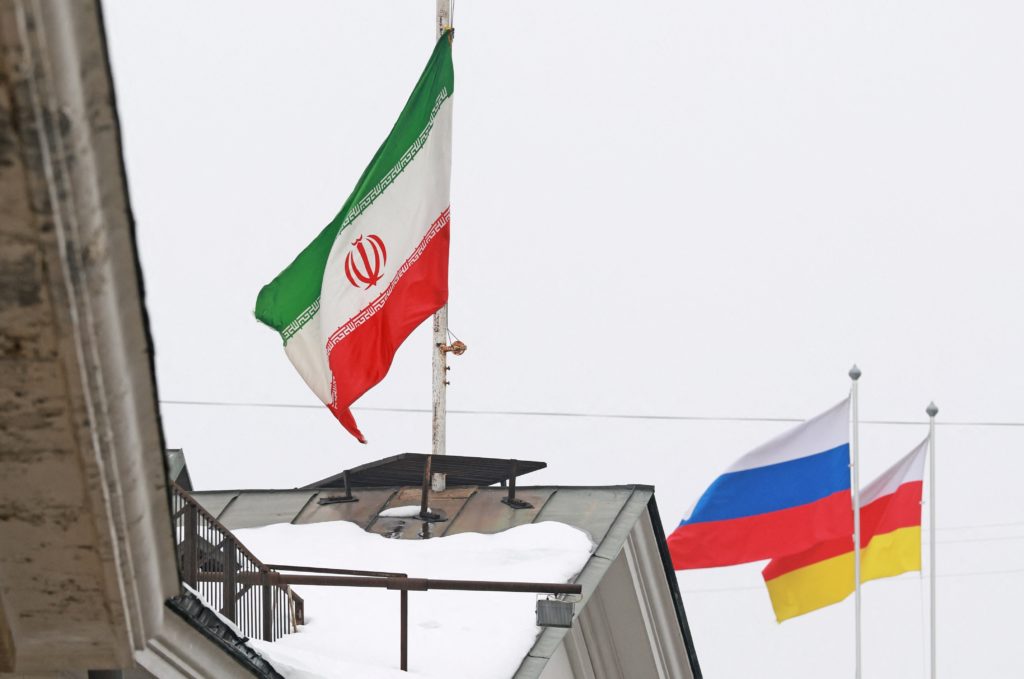
Russia gave Iran information that can help Tehran hit U.S. military targets, AP sources say
#Russia #Iran #U.S. military #intelligence sharing #targeting #AP sources #Middle East #security
📌 Key Takeaways
- Russia provided Iran with intelligence to target U.S. military assets, according to AP sources.
- The information could enhance Iran's ability to strike U.S. forces in the region.
- This development reflects deepening military cooperation between Russia and Iran.
- The sharing of such intelligence raises security concerns for U.S. operations in the Middle East.
📖 Full Retelling
🏷️ Themes
Geopolitical Tensions, Military Intelligence
📚 Related People & Topics

Russia
Country in Eastern Europe and North Asia
Russia, or the Russian Federation, is a country in Eastern Europe and North Asia. It is the largest country in the world, spanning eleven time zones and sharing land borders with fourteen countries. With a population of over 140 million, Russia is the most populous country in Europe and the ninth-mo...

Iran
Country in West Asia
# Iran **Iran**, officially the **Islamic Republic of Iran** and historically known as **Persia**, is a sovereign country situated in West Asia. It is a major regional power, ranking as the 17th-largest country in the world by both land area and population. Combining a rich historical legacy with a...

Middle East
Transcontinental geopolitical region
The Middle East is a geopolitical region encompassing the Arabian Peninsula, Egypt, Iran, Iraq, the Levant, and Turkey. The term came into widespread usage by Western European nations in the early 20th century as a replacement of the term Near East (both were in contrast to the Far East). The term ...
Entity Intersection Graph
Connections for Russia:
Mentioned Entities
Deep Analysis
Why It Matters
This news is important because it reveals a direct security threat to U.S. military personnel and assets in the Middle East, potentially escalating regional tensions and complicating U.S. foreign policy. It affects U.S. service members stationed in the region, U.S. allies like Israel and Gulf states, and global security dynamics by showcasing deepening Russia-Iran cooperation against Western interests. The transfer of such intelligence could lead to increased military confrontations, undermining stability and diplomatic efforts in the region.
Context & Background
- Russia and Iran have strengthened military and economic ties in recent years, partly due to shared opposition to U.S. influence and mutual sanctions relief needs.
- Iran has long supported proxy groups in the Middle East, such as Hezbollah and Houthi rebels, which have targeted U.S. interests, including attacks on bases in Iraq and Syria.
- The U.S. has maintained a significant military presence in the Middle East, with troops in countries like Iraq, Syria, and Bahrain, often focused on counterterrorism and regional stability.
- Russia's invasion of Ukraine in 2022 has led to increased international isolation, pushing Moscow to seek closer alliances with other anti-Western states like Iran.
- Previous intelligence sharing between Russia and Iran has included technology transfers, such as drones used in conflicts, highlighting a pattern of collaboration.
What Happens Next
In the short term, the U.S. may enhance security measures at its military bases in the Middle East and conduct intelligence assessments to mitigate threats. Diplomatic tensions could rise, with potential U.S. sanctions or condemnations targeting Russia and Iran. Over the coming months, there may be increased military patrols or defensive deployments by the U.S., and possible retaliatory actions if attacks occur, while international bodies like the UN might address the issue in security discussions.
Frequently Asked Questions
The information likely includes intelligence on U.S. military locations, vulnerabilities, or operational patterns in the Middle East, such as base layouts or troop movements. This could be gathered from Russian surveillance or shared data, aiding Iran in planning precise strikes. Such details enhance Tehran's ability to target U.S. assets effectively, raising security risks.
This action further deteriorates U.S.-Russia relations, already strained by conflicts like the war in Ukraine and cyber tensions. It may lead to increased U.S. sanctions or diplomatic isolation efforts against Russia. The cooperation signals Moscow's willingness to undermine U.S. security, complicating any future negotiations or conflict resolutions.
The implications include heightened risk of military escalations, as Iran or its proxies might use the information to launch attacks on U.S. targets, potentially drawing in regional allies. This could destabilize areas like Iraq or Syria, where U.S. forces operate, and increase tensions with Israel. Overall, it threatens peace efforts and could trigger broader conflicts in the volatile region.
The U.S. may respond by boosting defensive measures, such as reinforcing bases or deploying additional assets, and conducting cyber or intelligence operations to counter the threat. Diplomatic actions could include condemning Russia and Iran at international forums or imposing new sanctions. In extreme cases, it might lead to military preparedness or covert actions to disrupt the collaboration.
Russia likely shares this information to strengthen its alliance with Iran, gaining leverage against the U.S. and diverting American resources from other regions like Ukraine. It aligns with Moscow's strategy to challenge Western influence globally and secure Iranian support in areas like energy or military technology. This move also helps Russia project power and create distractions for U.S. foreign policy.