

Putin offers Mojtaba Khamenei 'unwavering support'
#Putin #Mojtaba Khamenei #Russia #Iran #unwavering support #diplomacy #international relations
📌 Key Takeaways
- Russian President Vladimir Putin expressed 'unwavering support' to Mojtaba Khamenei, son of Iran's Supreme Leader.
- The statement signals continued strong diplomatic ties between Russia and Iran.
- The support was offered in a formal communication, highlighting strategic partnership.
- The move may reinforce bilateral cooperation amid ongoing international tensions.
📖 Full Retelling
🏷️ Themes
International Relations, Diplomatic Support
📚 Related People & Topics
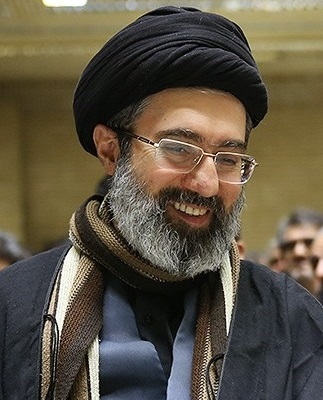
Mojtaba Khamenei
Iranian politician and cleric (born 1969)
Mojtaba Hosseini Khamenei (born 8 September 1969) is an Iranian politician and Muslim cleric. The second eldest child of Ali Khamenei, the former supreme leader of Iran, Mojtaba Khamenei served in the Iran–Iraq War from 1987 to 1988, and also reportedly took control of the Basij that was used to sup...
Entity Intersection Graph
Connections for Mojtaba Khamenei:
Mentioned Entities
Deep Analysis
Why It Matters
This news matters because it signals a deepening strategic alliance between Russia and Iran at a time when both face significant Western pressure and sanctions. It affects global geopolitics by potentially strengthening an anti-Western axis that could influence conflicts in Ukraine and the Middle East. The support could embolden Iran's regional activities and complicate Western diplomatic efforts, while also providing Russia with a crucial partner in circumventing economic isolation.
Context & Background
- Russia and Iran have developed closer military and economic ties since 2015, particularly through cooperation in Syria where both supported the Assad regime
- Iran has been supplying Russia with military drones used in the Ukraine war since 2022, despite international condemnation
- Mojtaba Khamenei is the son of Supreme Leader Ayatollah Ali Khamenei and is considered a potential successor, making his political relationships significant for Iran's future direction
- Both countries face extensive Western sanctions - Russia over its invasion of Ukraine, and Iran over its nuclear program and regional activities
What Happens Next
We can expect increased military and economic cooperation between Russia and Iran, potentially including more advanced weapons transfers. The relationship may lead to joint military exercises or coordinated diplomatic positions at international forums like the UN. Western nations will likely respond with additional sanctions targeting the Russia-Iran partnership, particularly focusing on arms transfers and energy cooperation.
Frequently Asked Questions
Mojtaba Khamenei is the son of Iran's Supreme Leader and a powerful political figure often mentioned as a potential successor. Putin's direct support signals Russia's commitment to Iran's current leadership structure and suggests Moscow wants to influence Iran's future political direction.
This development likely means continued Iranian drone supplies to Russia, which have been crucial for Russian attacks on Ukrainian infrastructure. It could also lead to more advanced Iranian weapons systems being transferred to Russia, potentially changing battlefield dynamics.
Strengthened Russia-Iran ties could embolden Iranian proxies in Syria, Lebanon, and Yemen, potentially escalating regional conflicts. It may also complicate U.S. and Israeli efforts to contain Iranian influence through diplomatic or military means.
Western nations will likely impose additional sanctions targeting the Russia-Iran partnership, particularly focusing on arms transfers and energy cooperation. There may also be increased diplomatic pressure on countries that facilitate trade between Russia and Iran.
Yes, closer Russia-Iran ties could make Iran less willing to compromise in nuclear talks, knowing it has Russian support. Russia might also help Iran circumvent sanctions related to its nuclear program, reducing Western leverage in negotiations.