
‘The Danish Girl’ Is Being Adapted Into a Musical
#The Danish Girl #musical adaptation #Lili Elbe #transgender #stage production #biographical #LGBTQ+
📌 Key Takeaways
- The film 'The Danish Girl' is being adapted into a musical production.
- The adaptation will bring the story of Lili Elbe, a pioneering transgender woman, to the stage.
- This move reflects a growing trend of adapting biographical and LGBTQ+ narratives into musicals.
- The project aims to reach new audiences through the medium of musical theater.
🏷️ Themes
Film Adaptation, LGBTQ+ Representation
📚 Related People & Topics
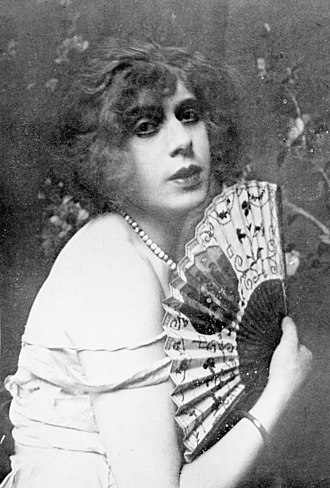
Lili Elbe
Danish painter and transgender woman (1882–1931)
Lili Ilse Elvenes (28 December 1882 – 13 September 1931), better known as Lili Elbe, was a Danish painter, transgender woman, and one of the earliest recipients of gender-affirming surgery (then called sex reassignment surgery). Elbe was a painter under her birth name Einar Wegener. After transition...
The Danish Girl
2000 novel by David Ebershoff
The Danish Girl is a novel by American writer David Ebershoff, published in 2000 by the Viking Press in the United States and Allen & Unwin in Australia. The novel is a fictionalized account of the life of Lili Elbe, one of the first transgender women to undergo sex reassignment surgery. The author ...
Entity Intersection Graph
No entity connections available yet for this article.
Mentioned Entities
Deep Analysis
Why It Matters
This adaptation matters because it brings renewed attention to transgender history and representation in mainstream media, potentially reaching new audiences through the emotional power of musical theater. It affects LGBTQ+ communities by offering another cultural touchstone for transgender narratives, while also impacting the entertainment industry's ongoing exploration of diverse storytelling formats. The project could influence how sensitive historical stories are adapted across different artistic mediums, balancing creative expression with respectful representation.
Context & Background
- The original 2000 novel 'The Danish Girl' by David Ebershoff was inspired by the lives of Danish painters Lili Elbe and Gerda Wegener
- The 2015 film adaptation starring Eddie Redmayne as Lili Elbe received mixed reactions from transgender communities regarding casting and representation
- Lili Elbe (born Einar Wegener) was one of the first known recipients of gender confirmation surgery in the early 1930s
- Musical theater has increasingly embraced LGBTQ+ stories in recent years with shows like 'Fun Home,' 'The Prom,' and 'Everybody's Talking About Jamie'
- The adaptation continues a trend of film-to-stage transfers in contemporary theater production
What Happens Next
The creative team will likely announce casting, workshop dates, and potential theater venues over the next 6-12 months. Development will involve sensitive consultations with transgender artists and advocates to ensure respectful representation. If successful in initial productions, the musical may follow a path to Broadway or West End within 2-3 years, potentially sparking renewed discussion about transgender representation in casting.
Frequently Asked Questions
Musical theater can explore internal emotional journeys through song in ways that differ from film's visual language. The format allows for abstract expression of gender identity exploration that might resonate differently with audiences. This adaptation follows a trend of biographical stories finding new life through musical storytelling.
The production will likely face scrutiny regarding casting choices, particularly whether a transgender actor will play Lili Elbe. There may be debates about how the story handles medical transition scenes from the 1930s. The adaptation must balance historical accuracy with contemporary understanding of transgender experiences.
This continues theater's increasing engagement with LGBTQ+ stories and identities over the past decade. It represents another example of film intellectual property being adapted for the stage to reach different audiences. The project aligns with growing interest in historical stories about marginalized communities in mainstream entertainment.
Creators must find musical styles that reflect both 1920s-30s Copenhagen and the internal journey of gender transition. The production needs to visually represent gender transformation in a theatrical context that differs from film's capabilities. Balancing historical setting with contemporary sensibilities about transgender representation presents creative and ethical challenges.
The musical will attract theater enthusiasts interested in LGBTQ+ stories and historical dramas. It may draw audiences who saw the 2015 film but are curious about a different artistic interpretation. The production could also appeal to younger theatergoers engaged with contemporary discussions about gender identity and representation.