

The Israeli border towns driving Netanyahu’s hard line on Lebanon
#Israel #Lebanon #Netanyahu #border towns #Hezbollah #military action #political pressure #conflict escalation
📌 Key Takeaways
- Israeli border towns near Lebanon are pressuring Netanyahu for a tougher stance.
- Local communities demand stronger military action against Hezbollah threats.
- Netanyahu's hardline policy is influenced by domestic political pressures.
- Tensions along the Israel-Lebanon border risk escalating into broader conflict.
📖 Full Retelling
🏷️ Themes
Geopolitical Tensions, Domestic Politics
📚 Related People & Topics
Hezbollah
Islamist movement and militant group based in Lebanon
Hezbollah is a Shia Islamist Lebanese political party and paramilitary group. Hezbollah's paramilitary wing is the Jihad Council, and its political wing is the Loyalty to the Resistance Bloc party in the Lebanese Parliament. Its armed strength was assessed to be equivalent to that of a medium-sized ...
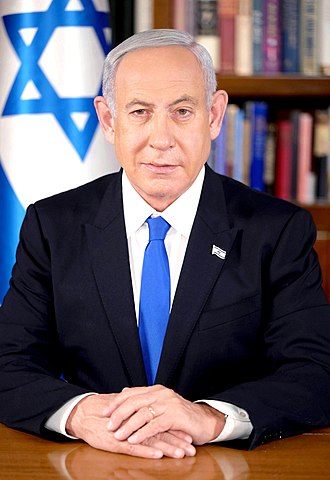
Benjamin Netanyahu
Prime Minister of Israel (1996–1999; 2009–2021; since 2022)
Benjamin "Bibi" Netanyahu (born 21 October 1949) is an Israeli politician and diplomat who has served as Prime Minister of Israel since 2022. Having previously held office from 1996 to 1999 and from 2009 to 2021, Netanyahu is Israel's longest-serving prime minister. Born in Tel Aviv, Netanyahu was r...

Lebanon
Country in West Asia
Lebanon, officially the Lebanese Republic, is a country in the Levant region of West Asia. Situated at the crossroads of the Mediterranean Basin and the Arabian Peninsula, it is bordered by Syria to the north and east, Israel to the south, and the Mediterranean Sea to the west; Cyprus lies a short d...

Israel
Country in West Asia
Israel, officially the State of Israel, is a country in the Southern Levant region of West Asia. It is bordered by Lebanon to the north, Syria to the northeast, Jordan to the east, and Egypt to the southwest. Israel occupies the West Bank and the Gaza Strip of the Palestinian territories, as well as...
Entity Intersection Graph
Connections for Hezbollah:
View full profileMentioned Entities
Deep Analysis
Why It Matters
This news matters because it reveals how domestic political pressure from border communities is shaping Israel's national security policy toward Lebanon, potentially escalating regional tensions. It affects Israeli citizens living near the northern border who face daily security threats from Hezbollah, Lebanese civilians who could be caught in cross-border conflicts, and international diplomats trying to prevent wider war. Understanding these local pressures helps explain why Netanyahu's government may be taking more aggressive stances despite international calls for de-escalation.
Context & Background
- Israel and Lebanon have technically been at war since 1948, with no peace treaty ever signed between the two countries
- Hezbollah, the Iran-backed militant group, controls southern Lebanon and maintains an estimated 150,000 rockets and missiles aimed at Israel
- The Israel-Lebanon border has seen periodic clashes since the 2006 Lebanon War, which killed approximately 1,200 Lebanese and 165 Israelis
- Israeli northern border towns have been evacuated multiple times in recent years due to security threats, creating economic and social disruption
- Netanyahu's political survival depends on maintaining support from right-wing and security-focused constituencies who prioritize强硬 responses to threats
What Happens Next
Increased military patrols and possible targeted strikes along the border in coming weeks, diplomatic pressure from the US and European countries urging restraint, potential UN Security Council discussions about border violations, and possible escalation if Hezbollah responds to Israeli actions with rocket fire or cross-border attacks. The situation may intensify ahead of Israeli elections if Netanyahu uses security rhetoric to bolster his political position.
Frequently Asked Questions
These communities have experienced repeated evacuations and live under constant threat from Hezbollah rockets, making them powerful political voices for强硬 security policies. Their residents often vote for right-wing parties that promise strong responses to security threats, giving them disproportionate influence in Netanyahu's coalition government.
Hezbollah maintains that Israel is an illegitimate state and refuses to recognize its existence. The group positions itself as Lebanon's primary defense force against Israel while building military capabilities that threaten Israeli population centers, creating a persistent standoff along the border.
The US must balance supporting its Israeli ally while preventing regional escalation that could draw in Iran or other actors. American diplomats are likely increasing mediation efforts between Israel and Lebanon while urging Netanyahu to avoid actions that could spark wider conflict.
Repeated evacuations and security threats have depressed property values and discouraged investment in northern Israeli towns. Many residents have relocated southward, creating demographic shifts and straining local economies that depend on agriculture and tourism.
While both sides have shown restraint to avoid all-out war, the increasing frequency of border incidents and political pressures make escalation more likely. However, both Israel and Hezbollah recognize the devastating costs of full conflict, which may continue to deter wider warfare despite periodic clashes.