
Trump said Iran was 'decimated.' Then an American F-15E fighter jet was shot down.
#Trump #Iran #F-15E #fighter jet #shot down #decimated #U.S. military #Middle East
📌 Key Takeaways
- Trump claimed Iran was 'decimated' in a statement.
- An American F-15E fighter jet was subsequently shot down.
- The incident highlights escalating tensions between the U.S. and Iran.
- The event raises questions about military readiness and regional stability.
📖 Full Retelling
🏷️ Themes
Geopolitical Tensions, Military Conflict
📚 Related People & Topics

Iran
Country in West Asia
# Iran **Iran**, officially the **Islamic Republic of Iran** and historically known as **Persia**, is a sovereign country situated in West Asia. It is a major regional power, ranking as the 17th-largest country in the world by both land area and population. Combining a rich historical legacy with a...

Middle East
Transcontinental geopolitical region
The Middle East is a geopolitical region encompassing the Arabian Peninsula, Egypt, Iran, Iraq, the Levant, and Turkey. The term came into widespread usage by Western European nations in the early 20th century as a replacement of the term Near East (both were in contrast to the Far East). The term ...

Donald Trump
President of the United States (2017–2021; since 2025)
Donald John Trump (born June 14, 1946) is an American politician, media personality, and businessman who is the 47th president of the United States. A member of the Republican Party, he served as the 45th president from 2017 to 2021. Born into a wealthy New York City family, Trump graduated from the...
Entity Intersection Graph
Connections for Iran:
Mentioned Entities
Deep Analysis
Why It Matters
This incident matters because it directly challenges the Trump administration's narrative about Iran's military capabilities and regional influence, potentially escalating tensions between the two nations. It affects U.S. military personnel in the region, Iranian forces, and regional allies who rely on American air superiority. The downing of a sophisticated F-15E Strike Eagle demonstrates Iran's air defense capabilities despite economic sanctions, which could influence future U.S. military planning and diplomatic approaches in the Middle East.
Context & Background
- The U.S. and Iran have had hostile relations since the 1979 Iranian Revolution and subsequent hostage crisis at the U.S. embassy in Tehran.
- Iran has developed indigenous air defense systems like the Khordad-3, which reportedly shot down a U.S. RQ-4 Global Hawk surveillance drone in June 2019.
- The Trump administration withdrew from the Iran nuclear deal (JCPOA) in 2018 and implemented a 'maximum pressure' campaign of economic sanctions against Iran.
- Iran has supported proxy forces across the Middle East, including in Iraq, Syria, Lebanon, and Yemen, creating multiple flashpoints with U.S. interests.
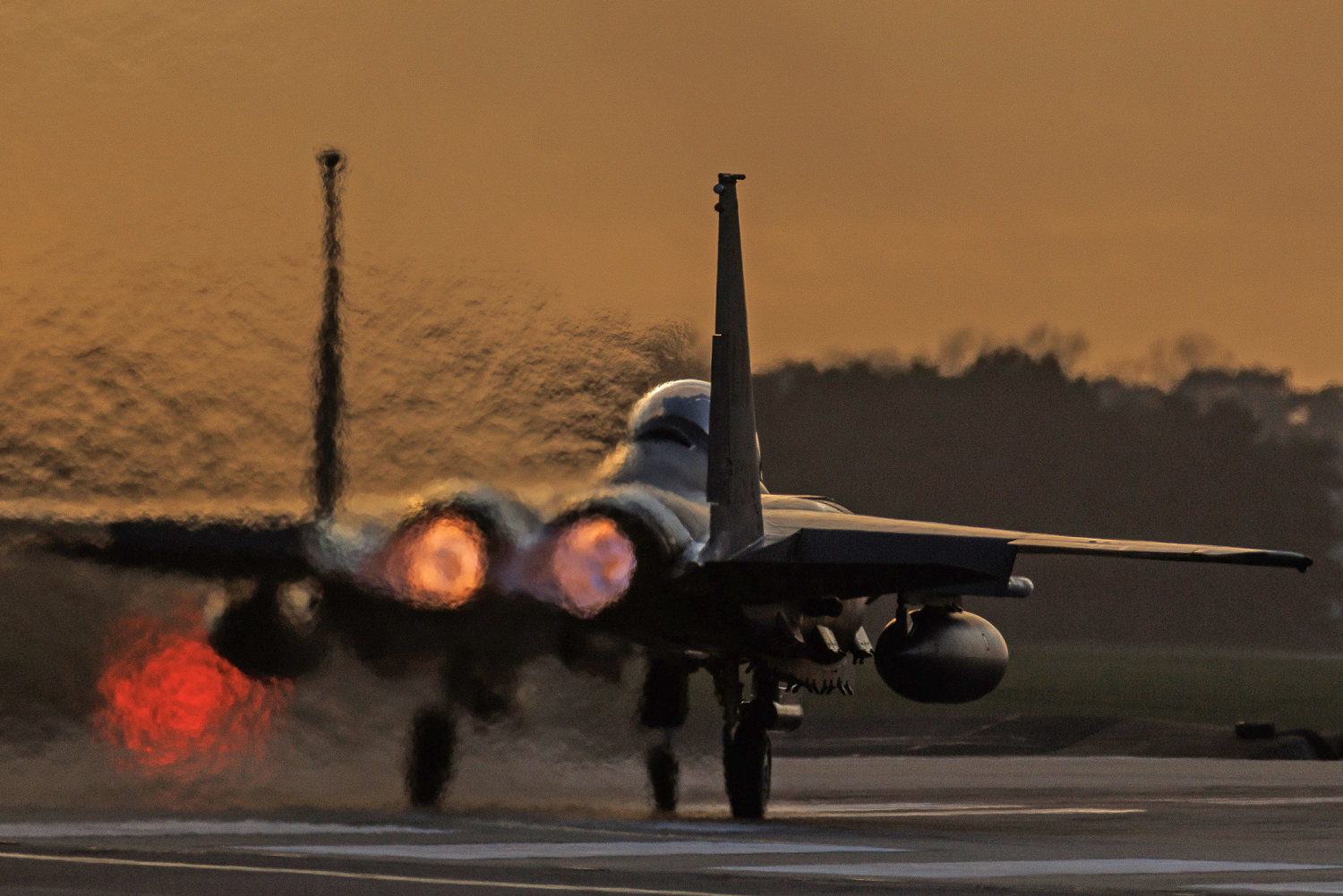
- The F-15E Strike Eagle is a dual-role fighter designed for air-to-air and air-to-ground missions, first entering service in the late 1980s and considered one of the most capable combat aircraft in the U.S. inventory.
What Happens Next
The U.S. military will likely conduct an investigation into the incident to determine exactly how the aircraft was shot down and assess potential vulnerabilities. Diplomatic tensions may increase as both sides exchange accusations, with possible retaliatory measures including additional sanctions or military posturing. Regional allies like Israel and Saudi Arabia may express concern about Iran's demonstrated capabilities, potentially leading to requests for enhanced U.S. security guarantees or military assistance.
Frequently Asked Questions
The loss is significant both symbolically and materially—the F-15E is a sophisticated, multi-role aircraft costing approximately $30-40 million, and its downing demonstrates that even advanced U.S. aircraft are vulnerable to Iranian air defenses. This could force changes in U.S. operational planning and tactics in the region.
This incident further deteriorates already tense relations, potentially moving both countries closer to direct military confrontation. It undermines the Trump administration's claim that Iran has been 'decimated' and may lead to increased military posturing from both sides in the Persian Gulf region.
While neither side appears to want full-scale war, miscalculations or escalatory responses could trigger broader hostilities. The incident increases the risk of accidental conflict, particularly given the presence of U.S. forces and Iranian proxies in neighboring countries like Iraq and Syria.
Regional stability is threatened as Iran demonstrates its ability to challenge U.S. air superiority, potentially emboldening Iranian allies and proxies. U.S. allies in the region may question American military dominance and seek alternative security arrangements, while adversaries may see opportunities to test U.S. resolve.