
Trump slams Mojtaba Khamenei’s appointment as Iran projects defiance
#Trump #Mojtaba Khamenei #Iran #appointment #defiance #succession #geopolitical tension
📌 Key Takeaways
- Former President Trump criticizes Mojtaba Khamenei's appointment in Iran
- Iran's leadership signals defiance amid internal political changes
- The appointment highlights potential succession planning within Iran's regime
- International tensions may rise due to perceived shifts in Iranian governance
📖 Full Retelling
🏷️ Themes
Geopolitics, Leadership
📚 Related People & Topics
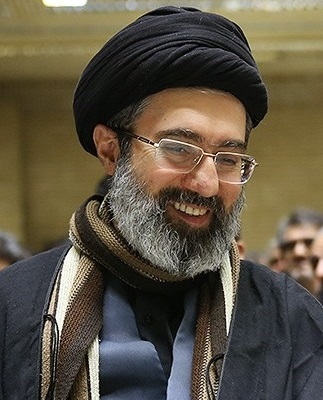
Mojtaba Khamenei
Iranian politician and cleric (born 1969)
Mojtaba Hosseini Khamenei (born 8 September 1969) is an Iranian politician and Muslim cleric. The second eldest child of Ali Khamenei, the former supreme leader of Iran, Mojtaba Khamenei served in the Iran–Iraq War from 1987 to 1988, and also reportedly took control of the Basij that was used to sup...
Entity Intersection Graph
Connections for Mojtaba Khamenei:
Mentioned Entities
Deep Analysis
Why It Matters
This development matters because it signals potential succession planning within Iran's highest leadership, which could shape the country's future direction for decades. It affects U.S.-Iran relations by introducing new variables into already tense diplomatic and security calculations. Regional stability in the Middle East is impacted as neighboring countries assess how leadership changes might alter Iran's foreign policy and proxy activities. The international community must consider how this affects nuclear negotiations and Iran's approach to global sanctions.
Context & Background
- Mojtaba Khamenei is the son of Iran's Supreme Leader Ayatollah Ali Khamenei, who has held the position since 1989
- The Supreme Leader is Iran's highest authority with control over military, foreign policy, and religious matters
- Succession in Iran's political system has historically been opaque, with the Assembly of Experts responsible for selecting the next Supreme Leader
- The Trump administration withdrew from the Iran nuclear deal (JCPOA) in 2018 and reimposed sanctions
- Iran has faced increasing international isolation and economic pressure in recent years
What Happens Next
Increased scrutiny of Mojtaba Khamenei's public appearances and statements will occur as analysts look for signs of his growing influence. The Assembly of Experts may face pressure to clarify succession procedures, though this likely won't happen publicly. U.S.-Iran tensions could escalate further if the Trump administration perceives this as consolidation of hardline power. Regional proxy conflicts may intensify as Iran seeks to project strength during leadership transition discussions.
Frequently Asked Questions
Mojtaba Khamenei is the son of Iran's current Supreme Leader and has been a influential behind-the-scenes figure in Iranian politics. His appointment to a more prominent position suggests possible grooming for succession, which would mark a potential dynastic shift in Iran's leadership structure.
This development could harden Iran's negotiating position as leadership transitions often make countries less flexible in diplomacy. It may also complicate future talks by introducing uncertainty about who ultimately holds decision-making power in Iran's complex political system.
The Supreme Leader is the highest authority in Iran, commanding the military, setting foreign policy direction, and overseeing the judiciary. This position holds more power than the elected president and serves as the ultimate religious and political authority in the country's unique theocratic system.
Regional rivals like Saudi Arabia and Israel are likely monitoring this closely as it could affect Iran's regional ambitions. European nations involved in nuclear negotiations will be assessing how this impacts diplomatic efforts, while Russia and China may see opportunities to strengthen ties during leadership uncertainty.