
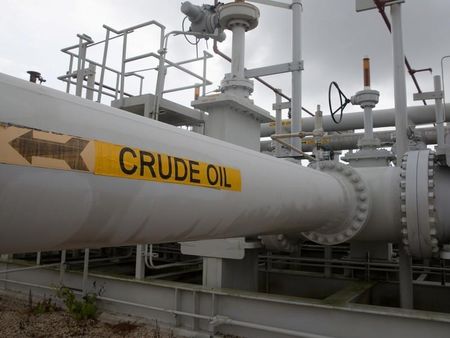
U.S. moves to stabilize energy markets with the release of 86 million oil barrels
#oil reserves #energy markets #U.S. policy #supply release #price stabilization
📌 Key Takeaways
- The U.S. is releasing 86 million barrels of oil from reserves to stabilize energy markets.
- This action aims to address supply concerns and reduce price volatility.
- The release is part of a broader strategy to manage energy security.
- It reflects a response to current market conditions and geopolitical factors.
🏷️ Themes
Energy Policy, Market Stability
Entity Intersection Graph
No entity connections available yet for this article.
Deep Analysis
Why It Matters
This strategic petroleum reserve release directly impacts global energy prices and inflation, affecting consumers worldwide through gasoline and heating costs. It demonstrates U.S. intervention in global oil markets during supply disruptions, potentially easing pressure on economies struggling with high energy prices. The move affects oil-producing nations' revenues while providing relief to energy-importing countries and industries dependent on fuel transportation.
Context & Background
- The U.S. Strategic Petroleum Reserve was created in 1975 after the Arab oil embargo to protect against supply disruptions
- Previous major releases occurred during Operation Desert Storm (1991), Hurricane Katrina (2005), and the Libya crisis (2011)
- Global oil prices have been volatile due to OPEC+ production cuts, geopolitical tensions, and post-pandemic demand recovery
- The U.S. previously released 180 million barrels in 2022 to combat price spikes following Russia's invasion of Ukraine
What Happens Next
Oil markets will immediately react to the additional supply, potentially lowering benchmark prices like Brent and WTI crude. The Department of Energy will coordinate the release timeline over coming months, with initial deliveries expected within weeks. OPEC+ may adjust their production quotas in response, while Congress will debate refilling the reserve when prices moderate.
Frequently Asked Questions
Increasing immediate supply creates downward pressure on prices by reducing scarcity concerns. Market traders adjust futures contracts based on expected near-term availability. The psychological impact often outweighs the physical volume, as it signals government willingness to intervene.
Retail gasoline prices typically respond within 1-3 weeks as refined products reach stations. The impact varies regionally depending on refinery capacity and distribution networks. Consumers might see modest relief, but global factors continue influencing final pump prices.
This release would bring the reserve to approximately 350 million barrels, near historic lows not seen since the 1980s. The administration faces pressure to refill when prices drop, requiring congressional approval for purchases. Maintaining emergency capacity remains a national security concern.
Additional measures could include diplomatic pressure on OPEC+, accelerated permitting for domestic production, or further reserve releases. The effectiveness depends on whether global demand growth outpaces the added supply. Persistent high prices might trigger broader economic policy responses.
International Energy Agency members sometimes coordinate complementary releases from their reserves. OPEC+ may adjust production targets to maintain desired price levels. Some oil-producing nations criticize the move as market manipulation while importers generally welcome price stabilization.