
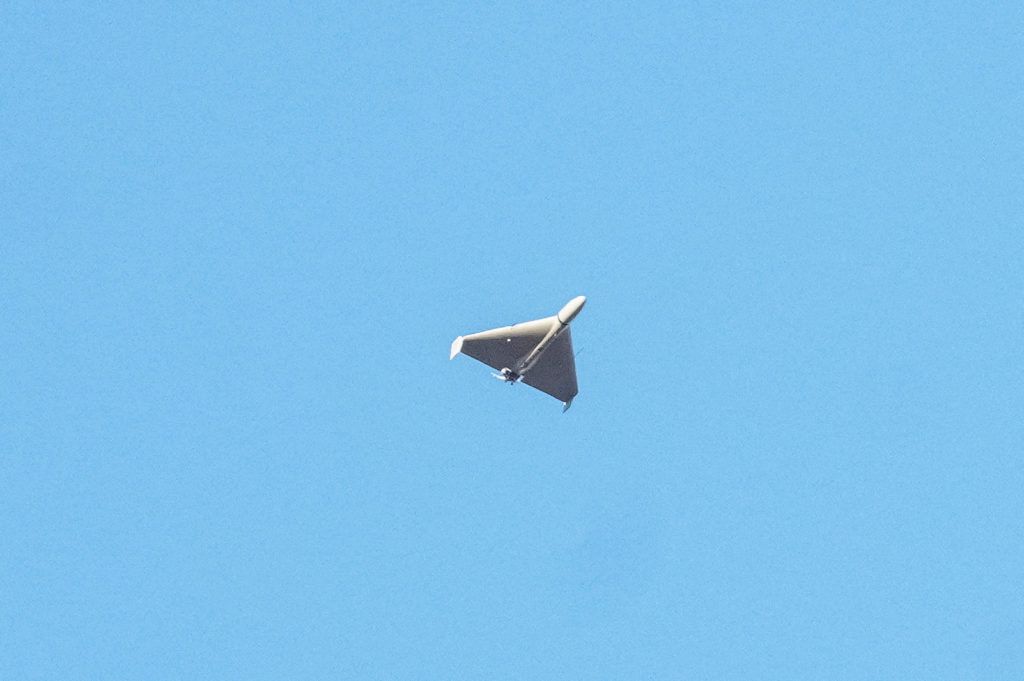
U.S. will send anti-drone system to Mideast after successful use in Ukraine, officials say
#anti-drone system #Middle East #Ukraine #U.S. military #security assistance #drone defense #strategic deployment
📌 Key Takeaways
- The U.S. plans to deploy an anti-drone system to the Middle East.
- This decision follows the system's proven effectiveness in Ukraine.
- The move is part of broader U.S. security assistance in the region.
- Officials confirmed the transfer, highlighting strategic military support.
📖 Full Retelling
🏷️ Themes
Military Aid, Regional Security
📚 Related People & Topics

Middle East
Transcontinental geopolitical region
The Middle East is a geopolitical region encompassing the Arabian Peninsula, Egypt, Iran, Iraq, the Levant, and Turkey. The term came into widespread usage by Western European nations in the early 20th century as a replacement of the term Near East (both were in contrast to the Far East). The term ...

Ukraine
Country in Eastern Europe
# Ukraine **Ukraine** is a country located in Eastern Europe. It is the second-largest country in Europe by area, after Russia. Known for its extensive fertile plains, the nation serves as a critical global exporter of grain and is considered a middle power in international affairs. ## Geography a...
Entity Intersection Graph
Connections for Middle East:
Mentioned Entities
Deep Analysis
Why It Matters
This development matters because it represents a significant transfer of battlefield-tested military technology from one conflict zone to another, potentially altering regional security dynamics in the Middle East. The decision affects U.S. allies in the region who face drone threats from non-state actors and rival nations, while also demonstrating how combat experience in Ukraine is directly shaping global military strategy. This move could escalate regional arms races as other powers may respond with countermeasures or similar technology transfers to their partners.
Context & Background
- The U.S. has been providing military aid to Ukraine since Russia's 2022 invasion, including various air defense systems tested against Russian drones and missiles.
- Iranian-made drones have been used extensively by Houthi rebels in Yemen against Saudi Arabia and UAE targets, and by Iranian-backed groups against U.S. forces in Iraq and Syria.
- The Middle East has seen increasing drone warfare in recent years, with non-state actors using inexpensive drones to challenge conventional military superiority.
- U.S. Central Command has reported over 100 attacks on U.S. forces in the Middle East since October 2023, many involving drones.
- Previous U.S. military aid to Middle Eastern allies has included Patriot missile systems and Terminal High Altitude Area Defense (THAAD) systems for air defense.
What Happens Next
The specific anti-drone systems will likely be deployed to protect U.S. bases and allied facilities in countries like Iraq, Syria, Jordan, and Gulf states within the next 1-3 months. Regional adversaries may test the effectiveness of these systems through increased drone probing attacks. The U.S. may face pressure to provide similar technology to other allies worldwide who face drone threats, potentially leading to broader export approvals in coming quarters.
Frequently Asked Questions
While the article doesn't specify the exact system, it's likely referring to mobile counter-drone systems like the Leonidas directed energy weapon or vehicle-mounted electronic warfare systems that have proven effective in Ukraine. These systems typically use radio frequency jamming, GPS spoofing, or directed energy to disable drones.
The timing relates to increased drone attacks on U.S. forces and allies in the Middle East, combined with proven effectiveness of these systems in Ukraine. Recent successful battlefield testing has given military planners confidence to deploy these systems to other theaters where similar threats exist.
The systems will likely go to countries hosting U.S. military bases and key allies facing drone threats, including Saudi Arabia, United Arab Emirates, Jordan, Iraq (for protection of U.S. forces), and possibly Israel. Priority will be given to locations that have experienced recent drone attacks.
Iran and its allied groups may increase drone swarm attacks to overwhelm the new defenses, develop counter-countermeasures like frequency-hopping drones, or accelerate development of more sophisticated unmanned systems. They might also attempt cyber attacks against the command and control systems of these anti-drone platforms.
Yes, this reflects a shift toward more active defense against asymmetric threats rather than just conventional military deterrence. It shows the U.S. is applying lessons from Ukraine to Middle East security challenges and prioritizing protection of forces over purely offensive capabilities in the region.