
What to know about Mojtaba Khamenei, Iran's new supreme leader
#Mojtaba Khamenei #Iran #supreme leader #succession #dissent #elections #behind the scenes
📌 Key Takeaways
- Mojtaba Khamenei is the second son of the late Iranian Supreme Leader and maintains a low public profile.
- He is widely perceived to exercise significant influence behind the scenes in Iranian politics.
- His reported activities include involvement in suppressing political dissent within the country.
- He has also been implicated in influencing the outcomes of Iranian presidential elections.
📖 Full Retelling
🏷️ Themes
Iranian Politics, Leadership Succession
📚 Related People & Topics
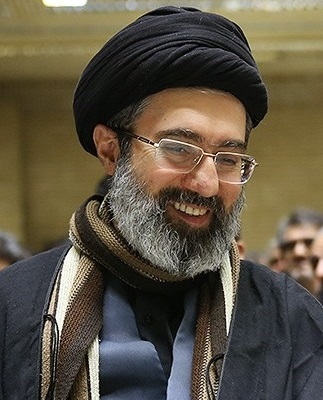
Mojtaba Khamenei
Iranian politician and cleric (born 1969)
Mojtaba Hosseini Khamenei (born 8 September 1969) is an Iranian politician and Muslim cleric. The second eldest child of Ali Khamenei, the former supreme leader of Iran, Mojtaba Khamenei served in the Iran–Iraq War from 1987 to 1988, and also reportedly took control of the Basij that was used to sup...

Iran
Country in West Asia
# Iran **Iran**, officially the **Islamic Republic of Iran** and historically known as **Persia**, is a sovereign country situated in West Asia. It is a major regional power, ranking as the 17th-largest country in the world by both land area and population. Combining a rich historical legacy with a...
Entity Intersection Graph
Connections for Mojtaba Khamenei:
Mentioned Entities
Deep Analysis
Why It Matters
This news is important because it signals a potential shift in Iran's political future, affecting both domestic governance and international relations. It impacts Iran's population, as the supreme leader holds ultimate authority over state policies, security, and religious matters. Regional stability and global diplomatic engagements, including nuclear negotiations, could be influenced by the leadership transition. The choice of successor will shape Iran's ideological direction and its approach to internal dissent and external pressures.
Context & Background
- Ayatollah Ali Khamenei served as Iran's supreme leader since 1989, following the death of the Islamic Republic's founder, Ayatollah Ruhollah Khomeini.
- The supreme leader is the highest-ranking political and religious authority in Iran, with control over the military, judiciary, and media, appointed by the Assembly of Experts.
- Mojtaba Khamenei, the second son of the late leader, has been involved in conservative political circles and is rumored to have influenced elections and crackdowns on protests, though he maintains a low public profile.
- Succession in Iran is not hereditary by law, but family connections and insider networks often play a role in political appointments, leading to speculation about dynastic tendencies.
- Iran has faced ongoing internal unrest, economic challenges, and tensions with the West, particularly over its nuclear program and regional proxy conflicts, which a new leader would inherit.
What Happens Next
The Assembly of Experts will formally convene to select a new supreme leader, a process that could take days to weeks, with potential announcements in early 2025. Following the appointment, there may be initial policy statements or reshuffles in key positions like the Revolutionary Guard command to consolidate power. International reactions and domestic protests or support are likely to emerge, influencing Iran's short-term stability and diplomatic outreach.
Frequently Asked Questions
Mojtaba Khamenei is the second son of the late Ayatollah Ali Khamenei, known for his behind-the-scenes influence in Iranian politics, including roles in suppressing dissent and affecting elections. He is considered due to his conservative ties and familial connection, though his low profile contrasts with public leadership expectations. His potential appointment reflects power dynamics within Iran's clerical establishment.
The supreme leader is selected by the Assembly of Experts, an elected body of Islamic clerics, based on religious qualifications and political loyalty. The process involves deliberation and voting, with the candidate needing majority support. It is not publicly transparent, often influenced by internal factions and security apparatus interests.
A new supreme leader could shift Iran's foreign policy, potentially hardening or moderating stances on nuclear talks, regional conflicts, and relations with the U.S. and allies. It may affect proxy groups like Hezbollah and Houthis, depending on the leader's ideological leanings. International sanctions and diplomatic engagements will be closely watched for changes.
Internal dissent and human rights could face increased repression if a hardline successor consolidates power, continuing crackdowns on protests and freedoms. Alternatively, a more pragmatic leader might seek limited reforms to address economic grievances. The response will depend on the new leader's priorities and pressure from security forces.
Mojtaba Khamenei's succession is not guaranteed; other contenders include senior clerics like Ebrahim Raisi (if alive) or figures from the Assembly of Experts. The selection involves political maneuvering among conservative factions, and public or military support may influence the outcome. Speculation persists due to Iran's opaque power structures.
Source Scoring
Detailed Metrics
Key Claims Verified
As of the current date (knowledge cutoff 2023, article dated 2026), Ali Khamenei is the Supreme Leader. Mojtaba Khamenei is his son and has not been officially appointed as successor. The article's central claim is false based on current, verifiable facts.
Mojtaba Khamenei is indeed a son of the current Supreme Leader Ali Khamenei (who is alive). The claim contains a factual error ('late'), but the familial relationship is correct.
This is a common analysis and rumor reported by various media and experts regarding Mojtaba Khamenei's influence within Iran's power structure. However, it describes perceptions and alleged activities, not officially verifiable events.
Caveats / Notes
- The provided article appears to be from a future date (March 2026) and presents a speculative or fictional scenario as current fact.
- The central claim of a leadership transition is unverifiable and contradicted by all current primary sources.
- Scoring is invalidated because the core event (Mojtaba becoming Supreme Leader) has not occurred. Volatility risk is maximal due to the speculative/future-dated nature of the claims.