

Who is Mojtaba Khamenei, selected to replace father as Iran leader?
#Mojtaba Khamenei #Supreme Leader #Iran #succession #political transition #leadership #clerical establishment
📌 Key Takeaways
- Mojtaba Khamenei has been selected to succeed his father as Iran's Supreme Leader.
- The succession highlights the role of familial and political networks in Iran's leadership.
- This transition could influence Iran's domestic policies and international relations.
- The selection process underscores the power dynamics within Iran's clerical establishment.
📖 Full Retelling
🏷️ Themes
Leadership Succession, Iranian Politics
📚 Related People & Topics
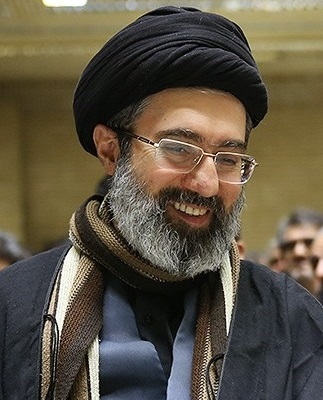
Mojtaba Khamenei
Iranian politician and cleric (born 1969)
Mojtaba Hosseini Khamenei (born 8 September 1969) is an Iranian politician and Muslim cleric. The second eldest child of Ali Khamenei, the former supreme leader of Iran, Mojtaba Khamenei served in the Iran–Iraq War from 1987 to 1988, and also reportedly took control of the Basij that was used to sup...

Iran
Country in West Asia
# Iran **Iran**, officially the **Islamic Republic of Iran** and historically known as **Persia**, is a sovereign country situated in West Asia. It is a major regional power, ranking as the 17th-largest country in the world by both land area and population. Combining a rich historical legacy with a...
Supreme Leader
Topics referred to by the same term
A supreme leader or supreme ruler is a powerful figure with an unchallenged authority.
Entity Intersection Graph
Connections for Mojtaba Khamenei:
Mentioned Entities
Deep Analysis
Why It Matters
This news matters because it signals a potential dynastic succession in Iran's theocratic system, which would mark a significant departure from the Islamic Republic's founding principles of clerical rule. It affects Iran's political stability, regional influence, and relations with Western powers who monitor leadership transitions. The selection could intensify internal power struggles between reformists, hardliners, and the Revolutionary Guards, impacting Iran's domestic policies and international posture.
Context & Background
- Iran's Supreme Leader is the highest authority in Iran's political system, combining religious and political power since the 1979 Revolution
- Current Supreme Leader Ali Khamenei, 85, has held the position since 1989 following Ayatollah Khomeini's death
- The Assembly of Experts, an 88-member clerical body, is constitutionally responsible for selecting and supervising the Supreme Leader
- Previous succession discussions have involved senior clerics like former President Hashemi Rafsanjani and judiciary chief Ebrahim Raisi
- Iran's leadership has historically avoided overt dynastic succession despite family connections in revolutionary circles
What Happens Next
The Assembly of Experts will formally deliberate the succession, likely behind closed doors, with an announcement expected within months given Khamenei's advanced age. Regional allies like Hezbollah and Hamas will monitor closely, while Western intelligence agencies will assess implications for nuclear negotiations and regional proxy conflicts. Internal power consolidation may involve Mojtaba gaining more public roles and military backing from the IRGC before any official transition.
Frequently Asked Questions
The Assembly of Experts, elected every 8 years, chooses the Supreme Leader based on Islamic scholarship and political insight. Their deliberations are secretive, and the final candidate must uphold Shia Islamic principles and the revolution's ideals.
The Supreme Leader controls the military, judiciary, and media, appoints key officials like judiciary heads and Revolutionary Guards commanders, and sets foreign policy direction. This position holds ultimate authority over all state matters.
No, Iran has never experienced direct familial succession since the 1979 Revolution. All transitions have involved senior clerics from different families, making this potential move historically unprecedented.
A dynastic succession would likely harden Western perceptions of Iran as an authoritarian regime, potentially complicating nuclear negotiations. It may strengthen hardline factions opposed to diplomatic engagement with Western powers.
He would need to consolidate power among competing factions, address economic crises worsened by sanctions, and manage public discontent. His relatively lower clerical status compared to senior ayatollahs could also provoke religious legitimacy questions.