
Why Pakistani farmers are suing two German companies for deadly 2022 floods
#Pakistan #floods #climate change #lawsuit #German companies #farmers #2022 #climate justice
📌 Key Takeaways
- Pakistani farmers are suing two German companies over the 2022 floods, which killed over 1,700 people.
- The lawsuit alleges the companies' contributions to climate change intensified the floods, causing widespread damage.
- This case is part of a growing trend of climate litigation holding corporations accountable for environmental harm.
- The outcome could set a legal precedent for climate justice in vulnerable regions like Pakistan.
📖 Full Retelling
🏷️ Themes
Climate Litigation, Corporate Accountability
📚 Related People & Topics
List of companies of Germany
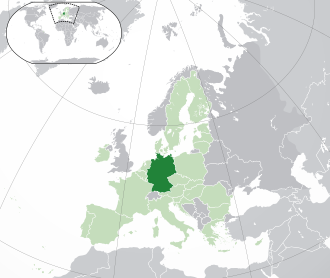
Germany is a federal parliamentary republic in central-western Europe. Germany has the world's 3rd largest economy by nominal GDP, and the 5th largest by PPP. As a global leader in several industrial and technological sectors, it is both the world's third-largest exporter and importer of goods. Of t...

Pakistan
Country in South Asia
Pakistan, officially the Islamic Republic of Pakistan, is a country in South Asia. It is the fifth-most populous country, with a population of over 241.5 million, having the second-largest Muslim population as of 2023. Islamabad is the nation's capital, while Karachi is its largest city and financia...
Entity Intersection Graph
Connections for List of companies of Germany:
View full profileMentioned Entities
Deep Analysis
Why It Matters
This lawsuit represents a groundbreaking attempt to hold multinational corporations accountable for climate change impacts in vulnerable developing nations. It affects Pakistani farmers who lost livelihoods and homes in catastrophic 2022 floods that submerged one-third of the country. The case could establish legal precedents for climate liability worldwide, potentially opening floodgates for similar claims against major polluters. German companies face reputational and financial risks, while climate activists globally watch this as a test case for climate justice.
Context & Background
- Pakistan experienced devastating monsoon floods in 2022 that killed over 1,700 people and displaced 8 million, with economic losses exceeding $30 billion
- The floods were exacerbated by climate change, with scientists attributing the extreme rainfall to global warming primarily driven by industrialized nations' emissions
- German companies RWE and Siemens Energy are being targeted as major contributors to greenhouse gas emissions through their energy and industrial operations
- This follows growing 'climate litigation' trends worldwide, including cases against Shell in the Netherlands and the US government in youth climate lawsuits
- Pakistan contributes less than 1% of global emissions but ranks among the most climate-vulnerable countries according to climate risk indices
What Happens Next
The German court will likely proceed with hearings in 2024, examining evidence linking corporate emissions to specific flood damages. If successful, the case could establish compensation mechanisms for climate losses, potentially inspiring similar lawsuits in other jurisdictions. International climate negotiations may see increased pressure for 'loss and damage' funding mechanisms, while corporations may face growing legal risks for historical emissions.
Frequently Asked Questions
The farmers are using German tort law, arguing that the companies' substantial greenhouse gas emissions contributed to climate change that caused the catastrophic floods. They're seeking compensation for damages under the principle that polluters should pay for climate-related harms their operations helped create.
German companies like RWE are among Europe's largest emitters historically, and Germany has relatively progressive climate litigation laws. The plaintiffs likely chose German courts because they offer better legal pathways for climate liability claims compared to Pakistani or international tribunals.
If successful, this lawsuit could create a legal template for other developing nations to seek compensation from major polluters. It might accelerate the establishment of international 'loss and damage' funds and pressure high-emitting nations to increase climate finance commitments.
The farmers must establish direct causal links between specific companies' emissions and particular flood damages—a complex scientific and legal challenge. They also face jurisdictional hurdles and potential corporate arguments about shared responsibility across many emitters over decades.
This lawsuit operates parallel to UN climate negotiations, where developing countries have long sought formal 'loss and damage' funding mechanisms. A successful case could pressure wealthy nations to fulfill climate finance promises made at COP27 and subsequent conferences.