Who / What
Mass media in the United Kingdom encompasses the various channels and industries for mass communication, including television, radio, newspapers, magazines, and websites. It represents a collection of organizations, regulatory bodies, and companies operating within the UK's media landscape, rather than a single unified entity.
Background & History
The UK's mass media has evolved from print newspapers and public service broadcasting, notably the establishment of the BBC in the 1920s, which set standards for public service broadcasting. Key historical milestones include the launch of commercial television (ITV) in 1955 and the deregulation of the media market in the 1980s and 1990s, which expanded private ownership and introduced new channels. The late 20th and early 21st centuries saw the rise of digital media, online news platforms, and streaming services, transforming how content is produced and consumed.
Why Notable
The UK's mass media is globally influential, with the BBC being one of the world's most respected public broadcasters and British media exports like music, film, and television achieving international acclaim. It plays a critical role in shaping public opinion, cultural trends, and political discourse within the UK. The industry is also a major economic contributor, supporting creative sectors like video games, publishing, and advertising.
In the News
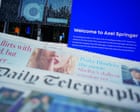
Recent developments include debates over media regulation, such as the future of the BBC's funding model and concerns about misinformation on digital platforms. The UK's media has been central to covering major events like Brexit and the COVID-19 pandemic, highlighting its role in informing the public. Ongoing controversies around ownership concentration, such as the proposed takeover of Telegraph Media Group, also keep the sector in the spotlight.