
World reacts to appointment of Mojtaba Khamenei as Iran’s supreme leader
#Mojtaba Khamenei #Iran #supreme leader #succession #international reaction #theocracy #governance
📌 Key Takeaways
- Mojtaba Khamenei appointed as Iran's new supreme leader, succeeding his father.
- International community expresses varied reactions, ranging from concern to cautious acknowledgment.
- The appointment raises questions about political continuity and potential shifts in Iran's domestic and foreign policies.
- Analysts highlight the significance of familial succession in Iran's theocratic governance structure.
📖 Full Retelling
🏷️ Themes
Iran Leadership, International Relations
📚 Related People & Topics
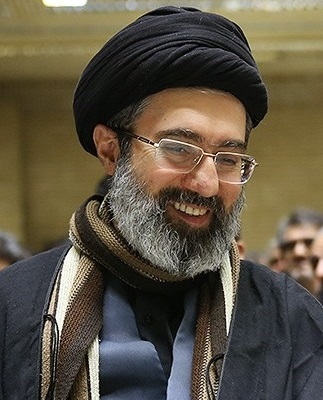
Mojtaba Khamenei
Iranian politician and cleric (born 1969)
Mojtaba Hosseini Khamenei (born 8 September 1969) is an Iranian politician and Muslim cleric. The second eldest child of Ali Khamenei, the former supreme leader of Iran, Mojtaba Khamenei served in the Iran–Iraq War from 1987 to 1988, and also reportedly took control of the Basij that was used to sup...
Entity Intersection Graph
Connections for Mojtaba Khamenei:
Mentioned Entities
Deep Analysis
Why It Matters
This appointment matters because it represents a significant transition in Iran's political and religious leadership, potentially shaping the country's domestic and foreign policies for decades. It affects Iran's 85 million citizens, regional neighbors in the Middle East, global powers involved in nuclear negotiations, and international energy markets. The succession could influence Iran's stance on issues ranging from nuclear development to regional proxy conflicts, making it crucial for geopolitical stability.
Context & Background
- Iran's Supreme Leader is the highest-ranking political and religious authority in the Islamic Republic, with powers exceeding those of the president
- The position was established after the 1979 Iranian Revolution, with Ayatollah Ruhollah Khomeini serving as the first Supreme Leader until 1989
- Ayatollah Ali Khamenei has held the position since 1989, making this the first leadership transition in 35 years
- Mojtaba Khamenei is the son of the current Supreme Leader, which raises questions about dynastic succession in what is theoretically a meritocratic theocratic system
- The Assembly of Experts, an 88-member body of Islamic scholars, is constitutionally responsible for selecting the Supreme Leader
What Happens Next
International observers will monitor how Mojtaba Khamenei consolidates power and whether he maintains existing policies or implements changes. Regional powers like Saudi Arabia and Israel will adjust their strategies based on his early decisions. Within 3-6 months, we'll see whether nuclear negotiations with Western powers continue or stall, and whether domestic protests increase or decrease in response to the leadership change.
Frequently Asked Questions
The Supreme Leader controls the military, judiciary, and state media, appoints key officials including heads of judiciary and Revolutionary Guards, and has final say on all state matters. This position effectively oversees all branches of government despite Iran's elected presidency and parliament.
Many Western governments view Mojtaba Khamenei as more conservative than his father, potentially hardening Iran's positions on nuclear development and regional conflicts. There are also concerns about nepotism undermining the Islamic Republic's religious legitimacy and questions about his experience compared to other senior clerics.
Mojtaba Khamenei's stance will determine whether Iran continues negotiations with world powers or accelerates nuclear development. His early statements and appointments to the Supreme National Security Council will signal whether he prefers diplomacy or confrontation on this issue.
Given Mojtaba Khamenei's background in security affairs and conservative religious circles, most analysts expect continued restrictions on political freedoms and women's rights. However, new leaders sometimes implement modest reforms to build popular support, so initial policies will be closely watched.
Iran's proxy networks in Lebanon, Syria, Yemen and Iraq are likely reaffirming loyalty to ensure continued support. These groups will be watching for any changes in funding or strategic direction that might affect their operations against Israel or in regional conflicts.