
U.S. launches strikes after Iran fires on civilian vessel in Strait of Hormuz
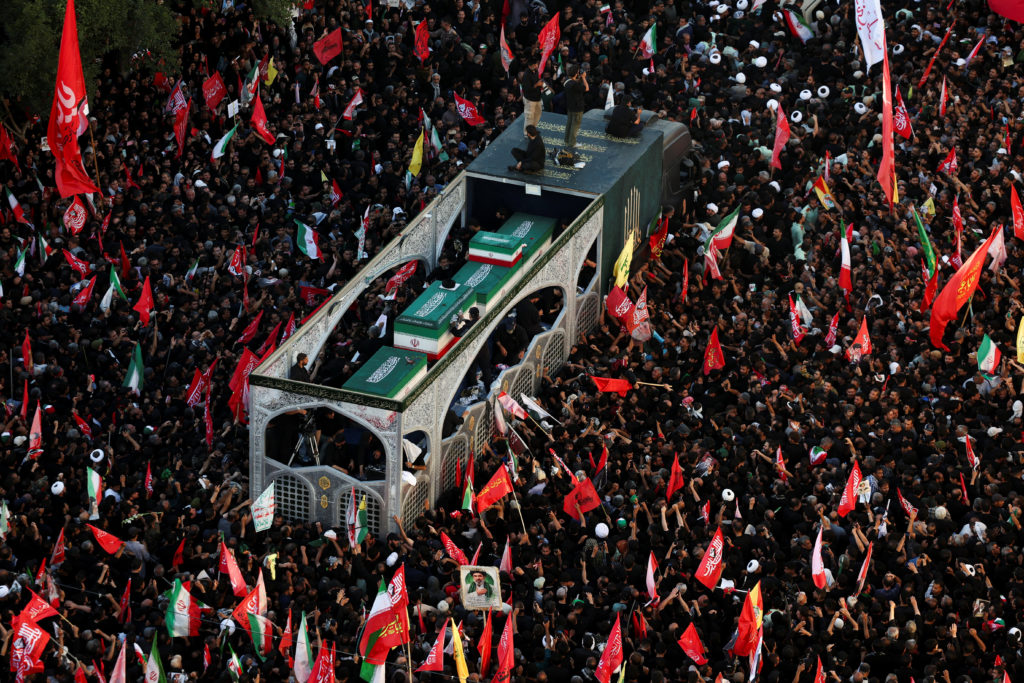
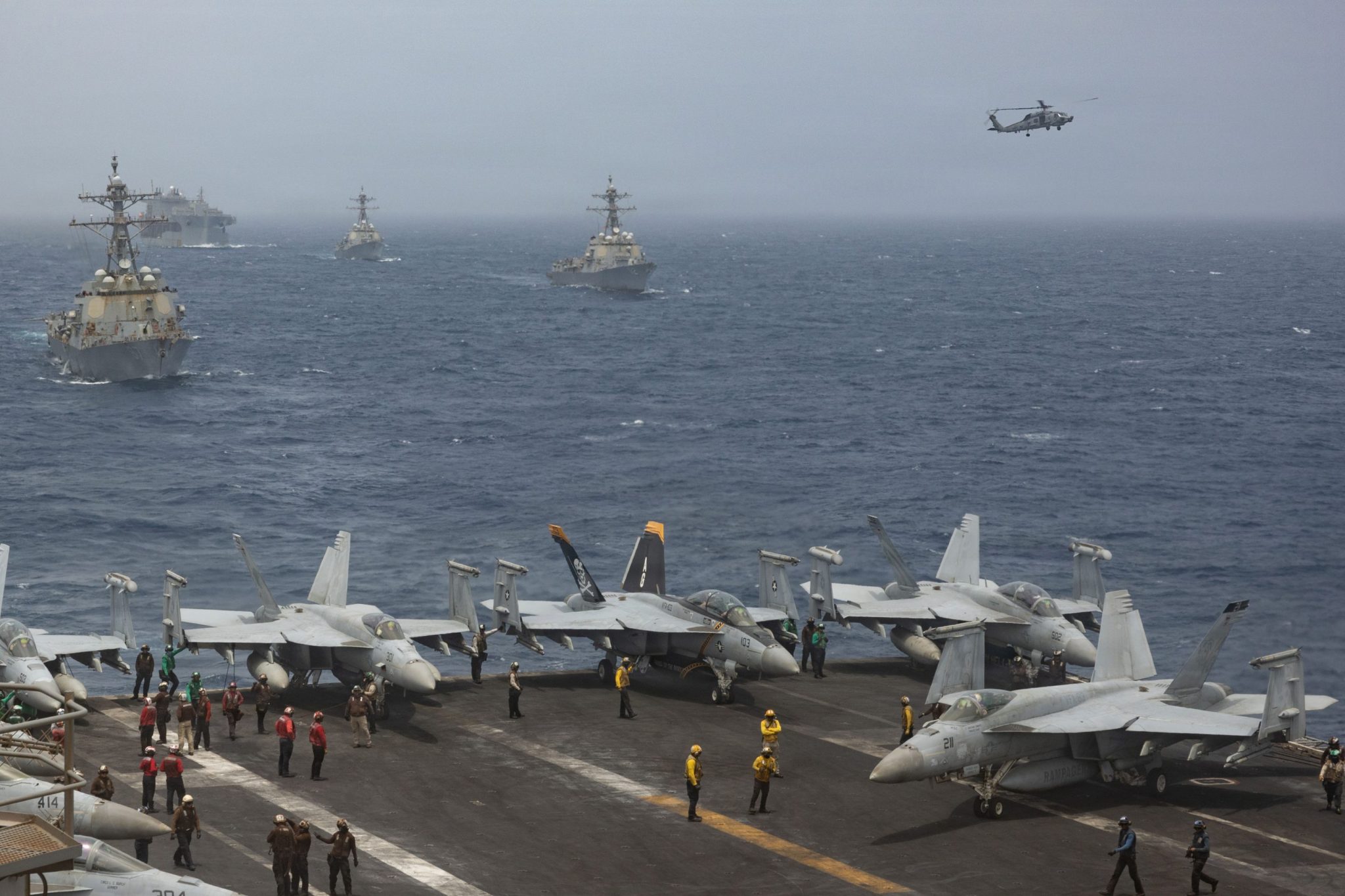
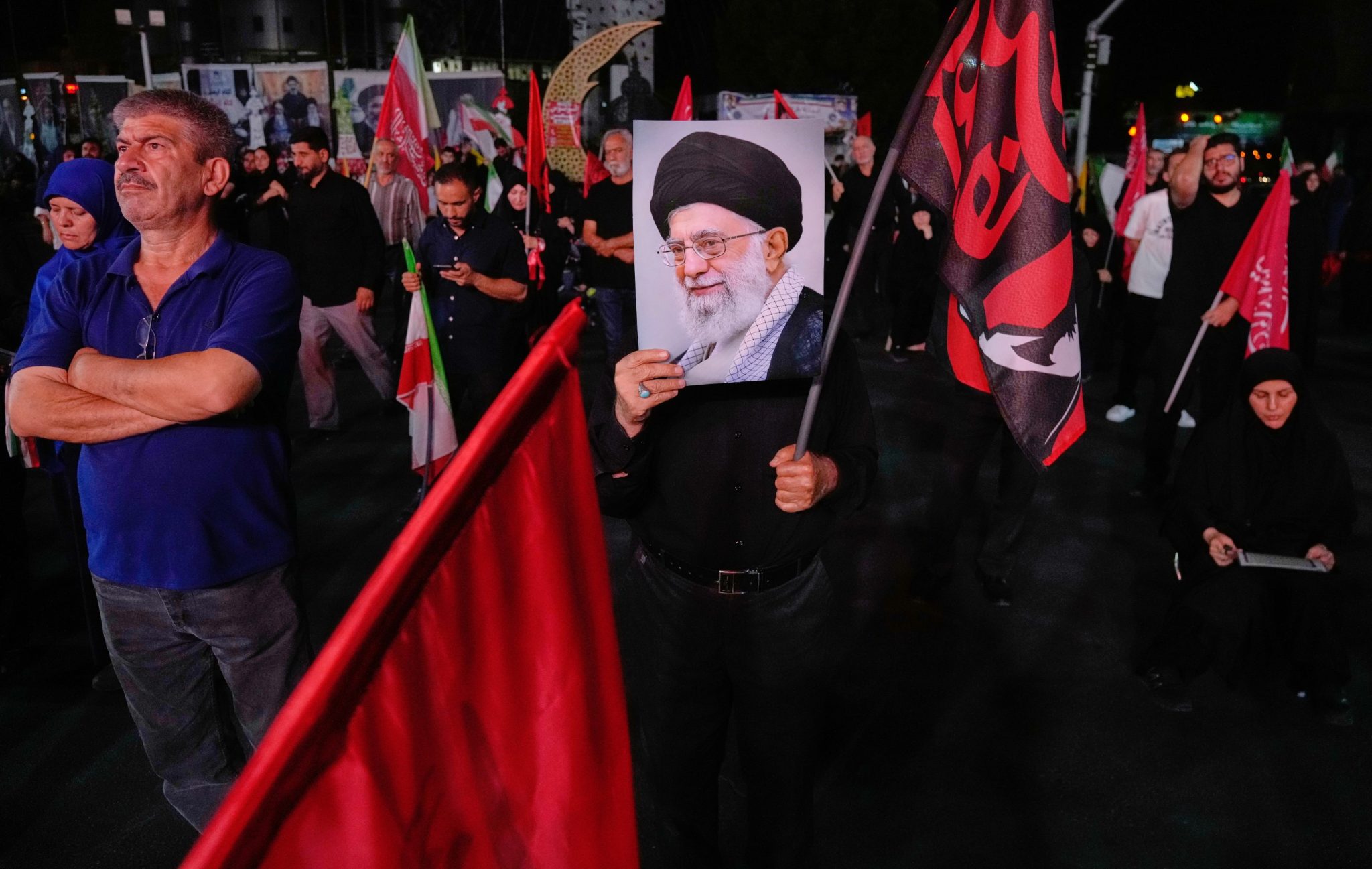
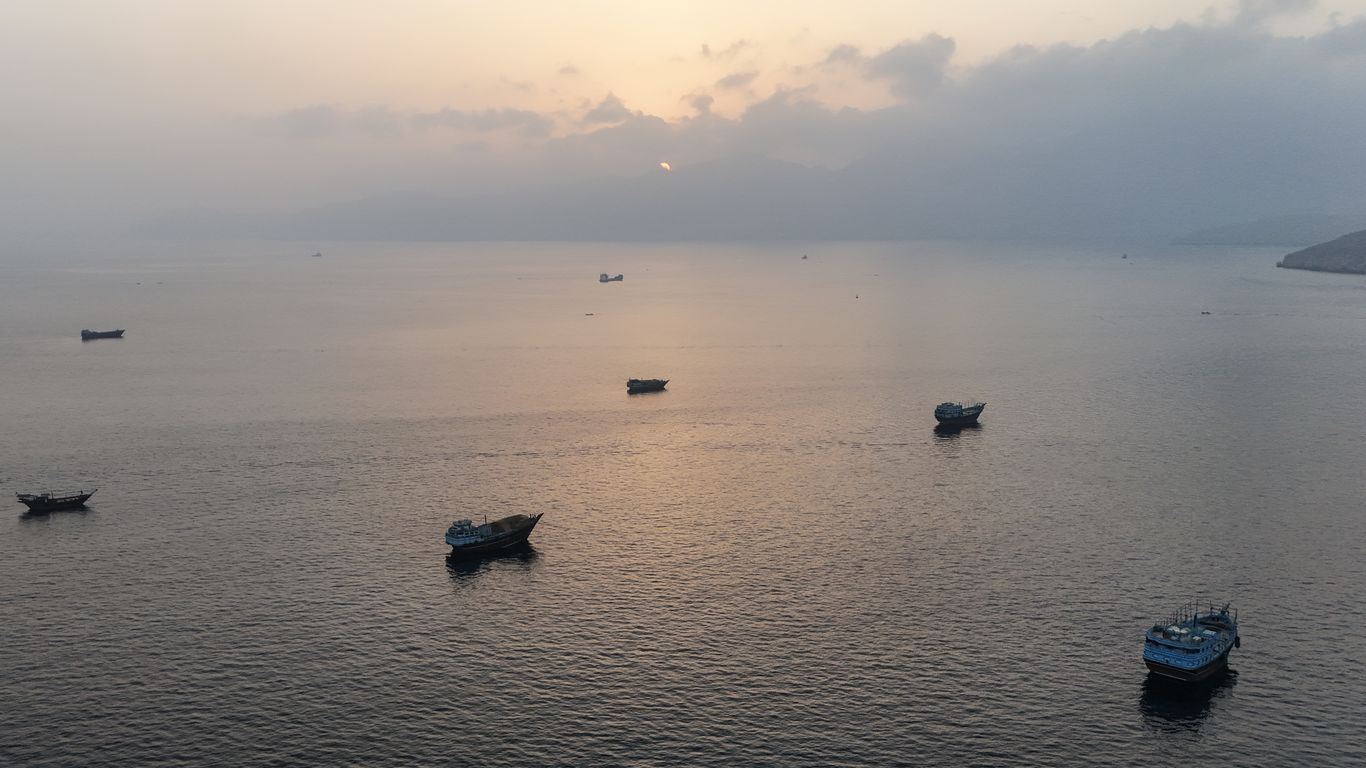


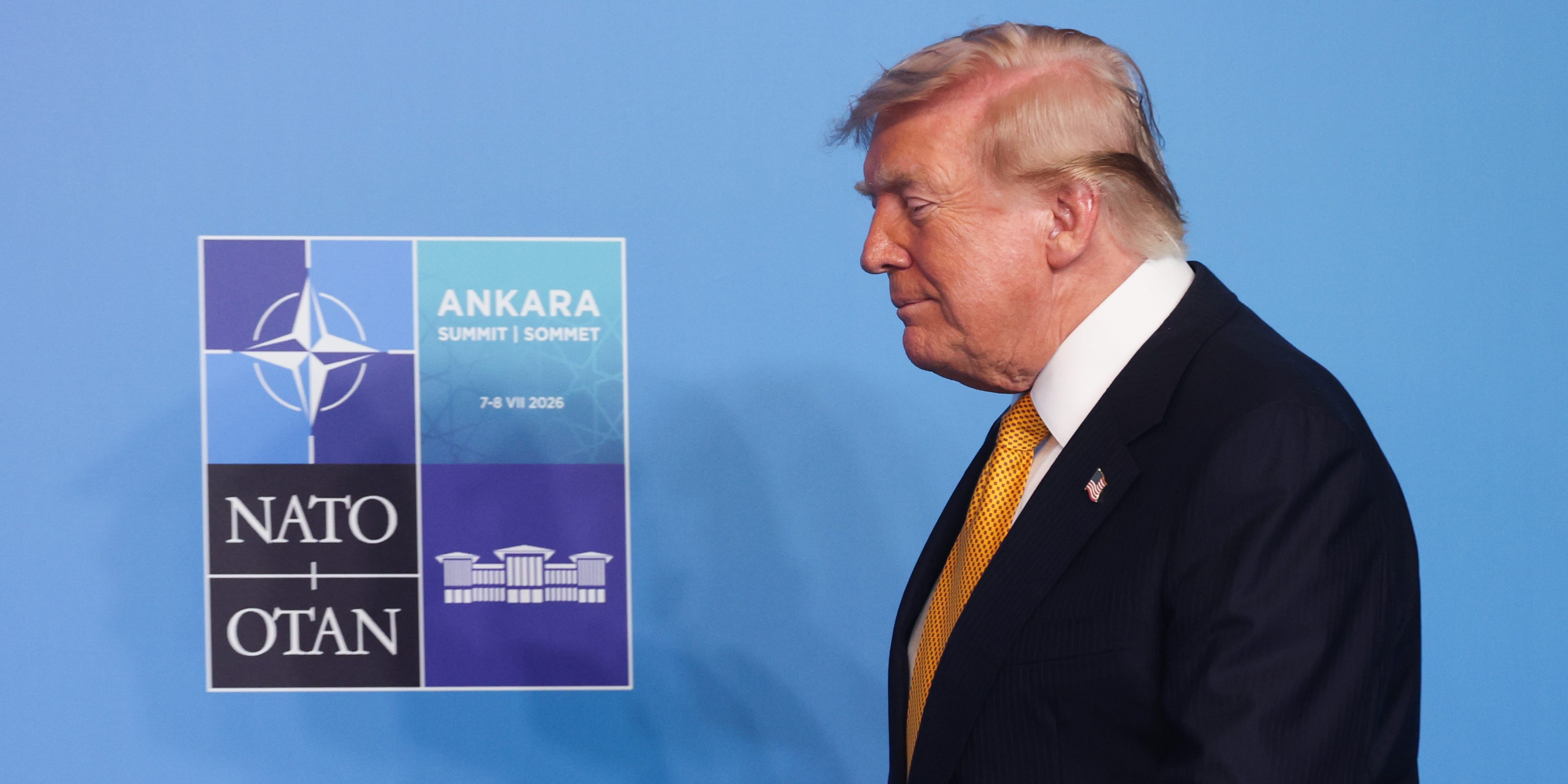
The U.S. launched military strikes against Iran after Iran fired at a civilian container ship in the Strait of Hormuz. Following the attack, Iran declared the vital waterway closed to traffic. This action has increased the chance of a full-scale war between the two nations.
Iran shot at a big cargo ship in the Strait of Hormuz. The U.S. military then started new attacks on Iran. Iran said it is now closing the strait. This means ships might have trouble passing through. This makes tensions very high between the countries.
Why it matters
The Strait of Hormuz is a key path for oil and gas trade. If it stays closed, global economies can be hurt badly.
- What did Iran do?
- Iran fired at a civilian container ship in the strait.
- What did the U.S. do?
- The U.S. military launched a third round of strikes against Iran.
- Why is this important?
- It threatens global trade because it affects oil and gas shipping.
How outlets are framing the same story
These are the main editorial angles found across reporting. Use them to quickly compare what different outlets emphasize, omit, or question.
Most outlets report the core event—Iran attacks, U.S. strikes, Iran closes strait—but some focus on the rising war risk while others emphasize diplomatic efforts.
- Angle 1Framing signalThe situation risks becoming an all-out war.
NYT WorldHighlights that conflict possibility is rising.
- Angle 2Framing signalDiplomats are trying to stop the fighting.
- Angle 3Framing signalThe U.S. wants Iran to admit fault publicly.
CBS PoliticsFocuses on the need for a public apology from Tehran.
- Angle 4Framing signalThe attack defied a recent U.S. demand.
AxiosNotes the strike came after a US ultimatum was given.
- Angle 5Framing signalIt threatens a fragile ceasefire agreement.
FortuneEmphasizes the jeopardy to the existing truce.